Building ADUs Near Protected Redwoods

Splitting Your Lot Under AB 1033: The San Francisco and Oakland Action Guide
The California real estate playbook officially shifted when the state’s first-ever standalone ADU condo sale closed in San Jose. A 749-square-foot backyard unit sold on its own deed for $530,000—unlocking a brand-new real estate asset class. The land was never physically split. Instead, the property was legally converted into a two-unit condominium regime under Assembly Bill 1033, creating a standalone starter home out of thin air.
For homeowners in San Francisco and Oakland, where single-family entry prices routinely hover north of $1 million to $1.3 million, AB 1033 is the ultimate equity tool. You no longer have to be a landlord to monetize your backyard. You can legally build, condo-ize, and sell a detached secondary home—cashing out a portion of your property equity while retaining your primary residence.
Here is how to navigate the local Bay Area landscape, identify your target buyer, and execute an AB 1033 split step-by-step.
The Local Playbook: San Francisco vs. Oakland
Because AB 1033 is an “opt-in” law, your project’s feasibility depends entirely on municipal action. Both major Bay Area cities have stepped up to enable these conversions:
Target Demographics: Who Buys a Backyard Starter Home?
Understanding your buyer dictates how you design and market your unit. The demand for sub-$750k detached real estate in the Bay Area is practically bottomless, driven by three distinct groups:
How to Legally Split and Sell Your ADU: Step-by-Step
Converting a backyard home into a sellable condo regime isn’t a physical lot split; it’s a legal “airspace” division governed by the Davis-Stirling Act.
What to Look For: Technical Foundations for Maximum Value
When building an ADU with the explicit goal of an AB 1033 sale, you must engineer for buyer scrutiny. A home buyer pays a premium for quality that a renter might ignore.
Why the Manufacturing Mindset Accelerates Your Exit
Executing an AB 1033 project with traditional on-site contractors turns your backyard into a messy construction site for 12 to 18 months. Managing loose tool crews, material delays, and weather disruptions while living on-site creates unbearable lifestyle friction.
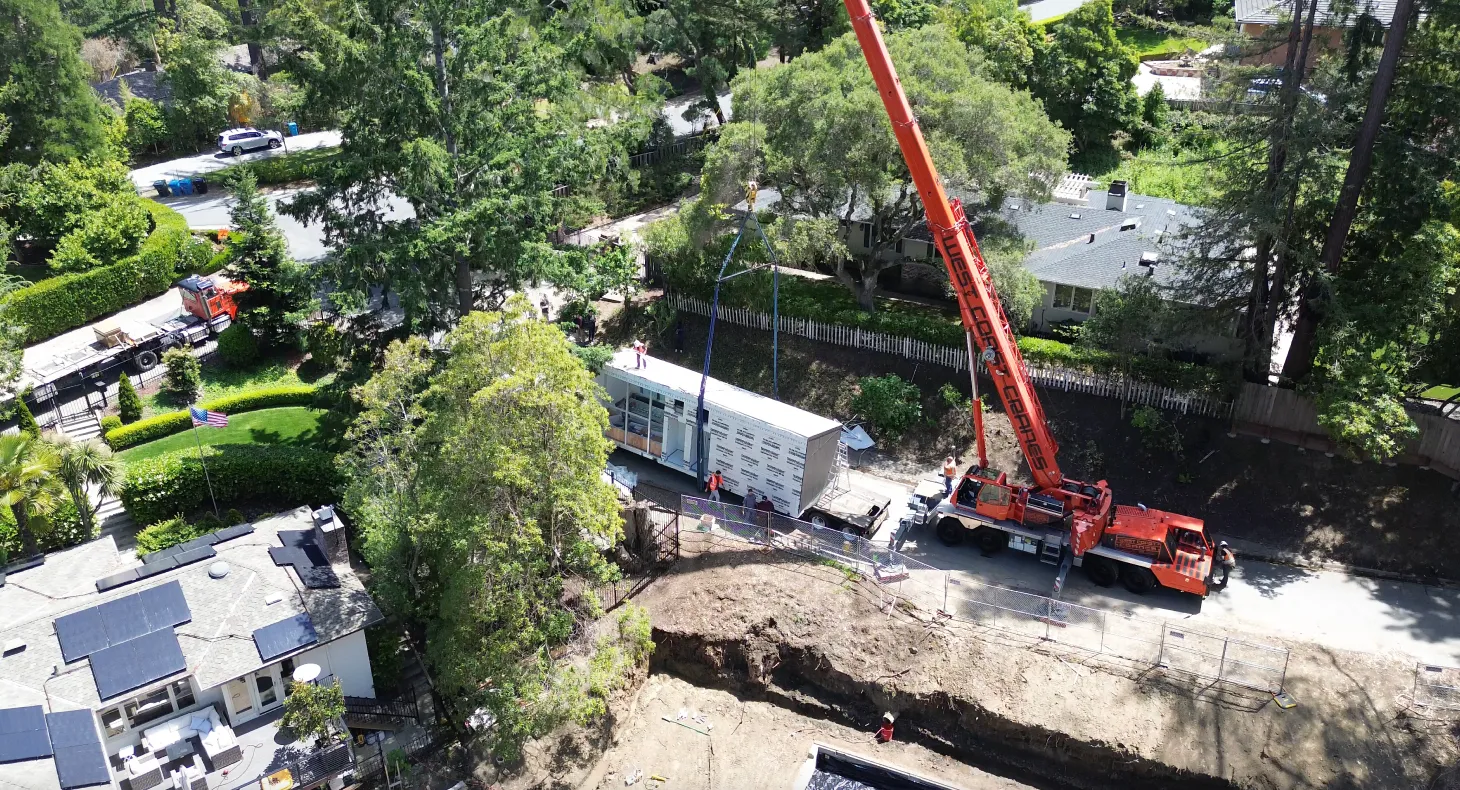
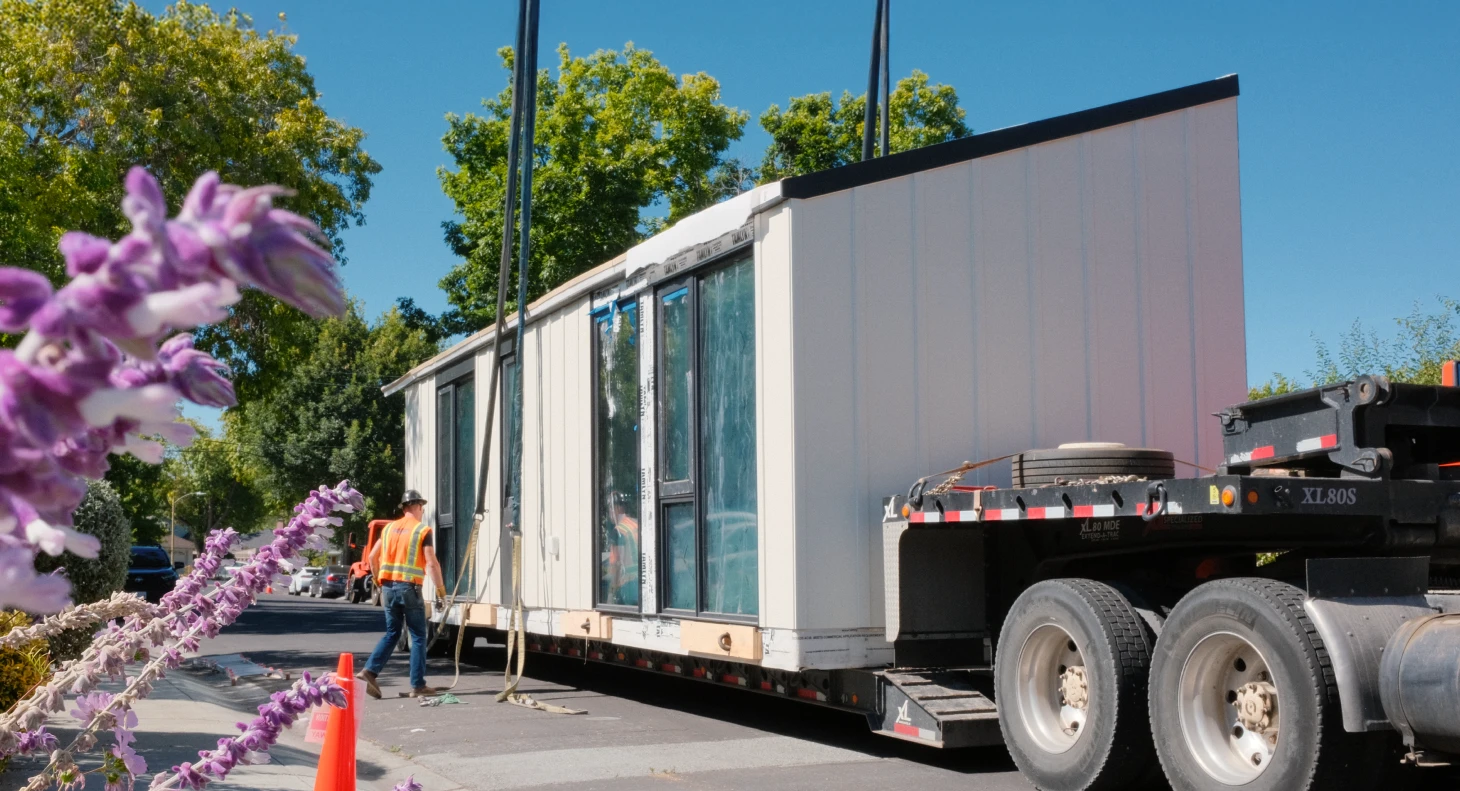
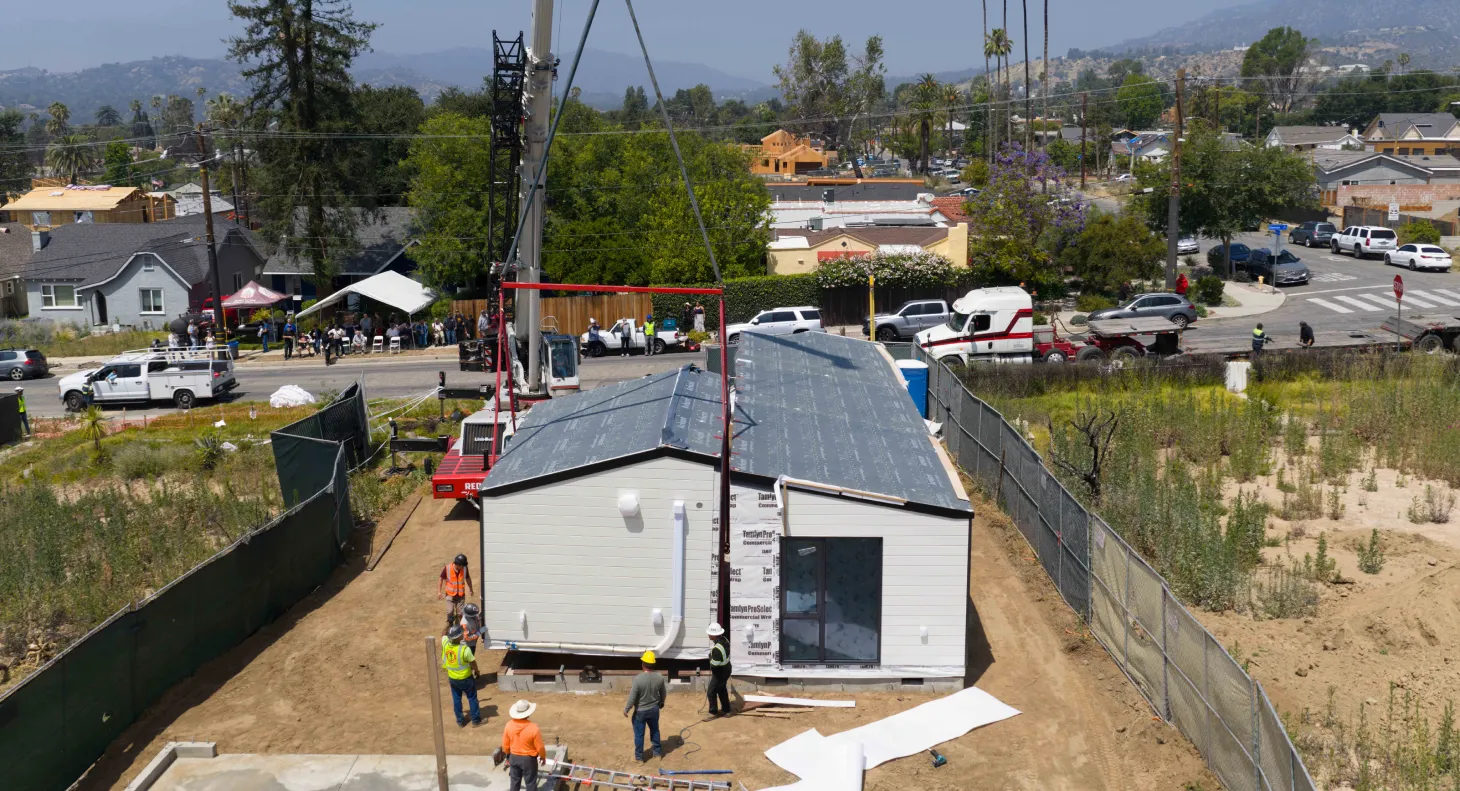
By shifting the structural framing and interior finish work off-site into our precision manufacturing plant, we run the build in parallel with your city map reviews. While foundation points and utility splits are prepped on your lot, your unit is engineered under controlled factory conditions. The finished module arrives pre-wired and pre-finished, getting craned into place and sealed in days. You move from site prep to sale-ready in a fraction of the traditional timeline.
Ready to Unlock Your Backyard Equity?
AB 1033 allows you to capture six-figure equity from your land without selling your primary home or taking on massive debt. Let’s look at your lot’s layout and run the numbers for your neighborhood.
Book a Free Consultation with our project strategists today to evaluate your property’s eligibility, review custom financing pathways, and lock in a transparent, fixed-cost quote for your build.
Want to see how an AB 1033-eligible unit sits on your property? Enter your address into our Check My Lot tool to instantly view real-time property setbacks, map your yard’s footprint, and visualize your new standalone asset in full.
Discover More
Building ADUs Near Protected Redwoods

Circadian Engineering: How Smart Blue Light Triggers Flow State
The LA Duplex Strategy: Unlocking SB 1211 ADUs
About Us