Building ADUs Near Protected Redwoods

Marin Hillside ADUs: Overcoming Slopes and Fire Codes
Developing property in Marin County—whether in Mill Valley, Sausalito, San Rafael, or Tiburon—is famously complex. Between steep hillside topography, narrow access roads, strict setbacks, and Wildland-Urban Interface (WUI) fire regulations, traditional site-built construction routinely runs into massive friction.
Homeowners looking to add an Accessory Dwelling Unit (ADU) or secondary building are often met with endless discretionary reviews, geotechnical study delays, expensive retaining wall engineering, and strict municipal building reviews. A project that starts as a simple backyard addition can quickly drag into a two-year permitting marathon with bloated soft costs.
At LiveLarge Home, we approach challenging topography and strict regulatory environments through precision engineering and off-site manufacturing. This is “Chapter Two” of land strategy: navigating Marin’s toughest building constraints using non-combustible materials, engineered pier foundations, and state-level pre-approvals.
Conquering Hillside Topography: Hovering Steel Pier Foundations
Traditional site-built additions on Marin hillsides usually require deep soil excavation, heavy retaining walls, and massive concrete pours. Bringing heavy excavation machinery up narrow Mill Valley or Sausalito access roads is logistically difficult and environmentally destructive.
We solve the slope problem through low-impact structural engineering:
WUI Fire Compliance: Non-Combustible Envelope Engineering
Marin County sits almost entirely within strict Wildland-Urban Interface (WUI) zones, where wildfire protection dictates material selection. Traditional wood-framed structures with standard siding present significant ignition risks during wildfire events.
Our off-site manufactured units are built fire-safe from the structural frame outward:
Bypassing Discretionary Review: The HCD Pre-Approval Advantage
The biggest source of delay in Marin County is the local discretionary review process, where subjective design boards and municipal planning desks can request endless plan revisions.
Why Off-Site Precision Outperforms Hillside Construction
Attempting a custom, site-built project on a tight Marin hillside brings constant logistical friction. Staging materials on narrow winding streets, managing parked contractor trucks, and dealing with weather delays on exposed slopes creates intense friction with neighbors and local code enforcement.
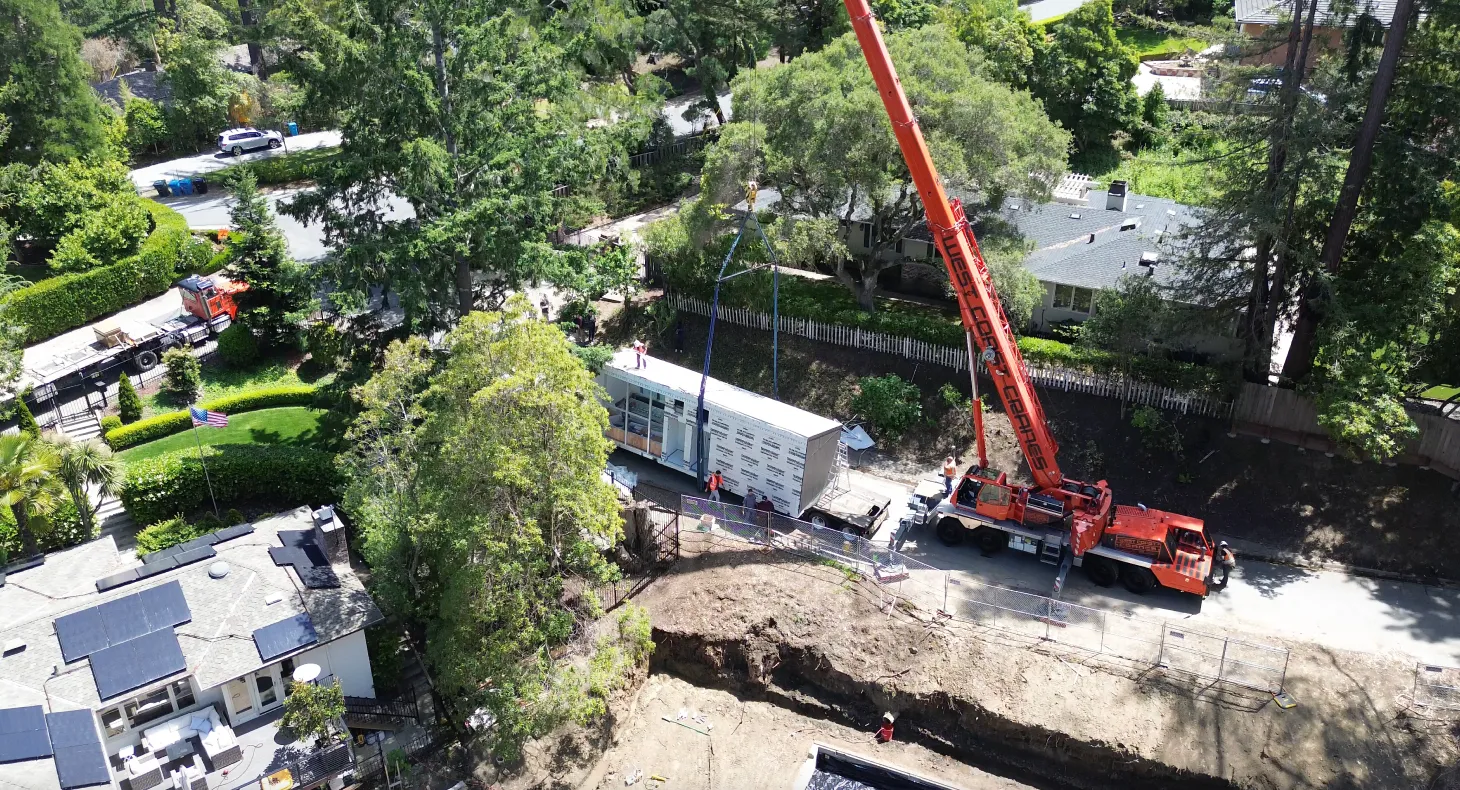
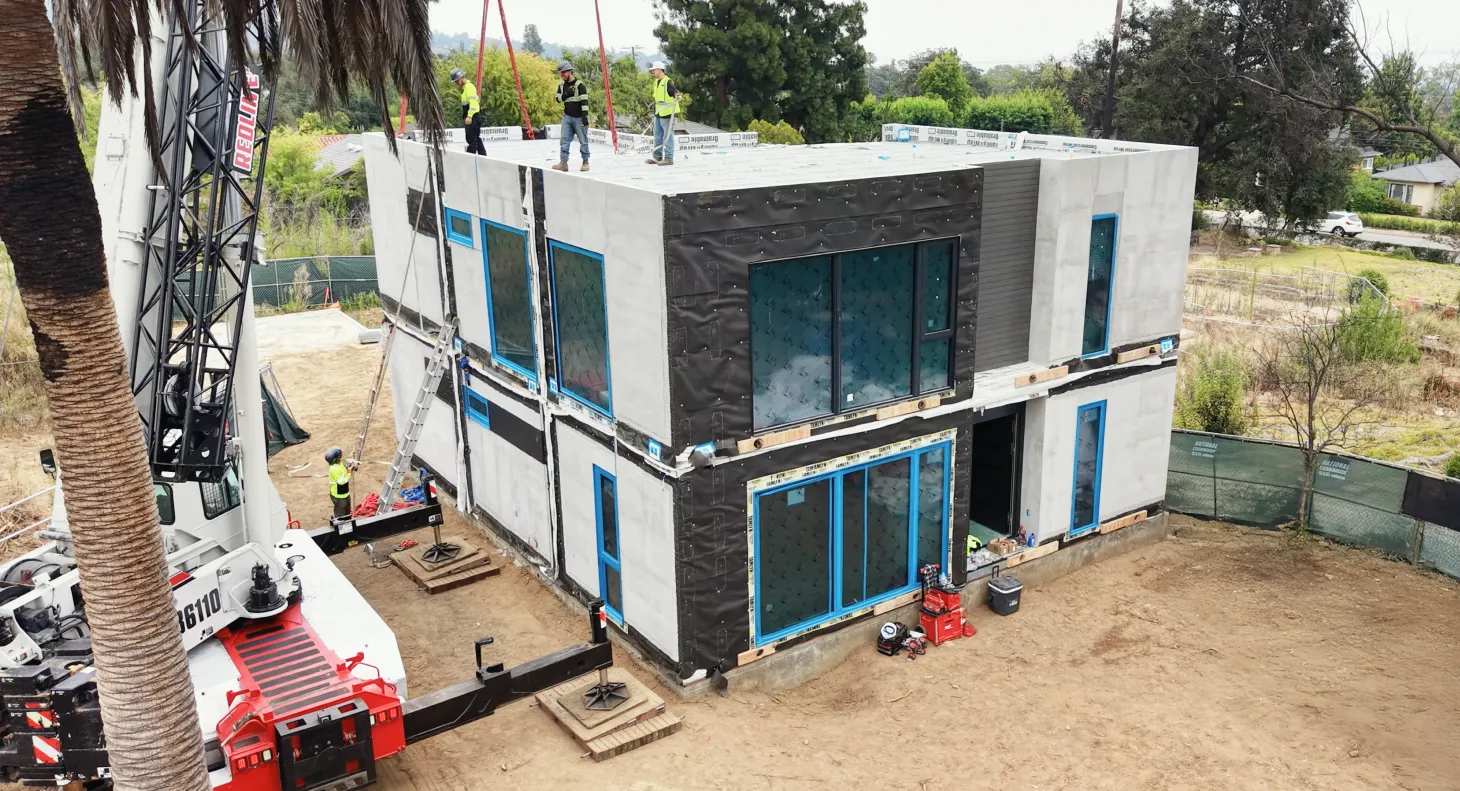
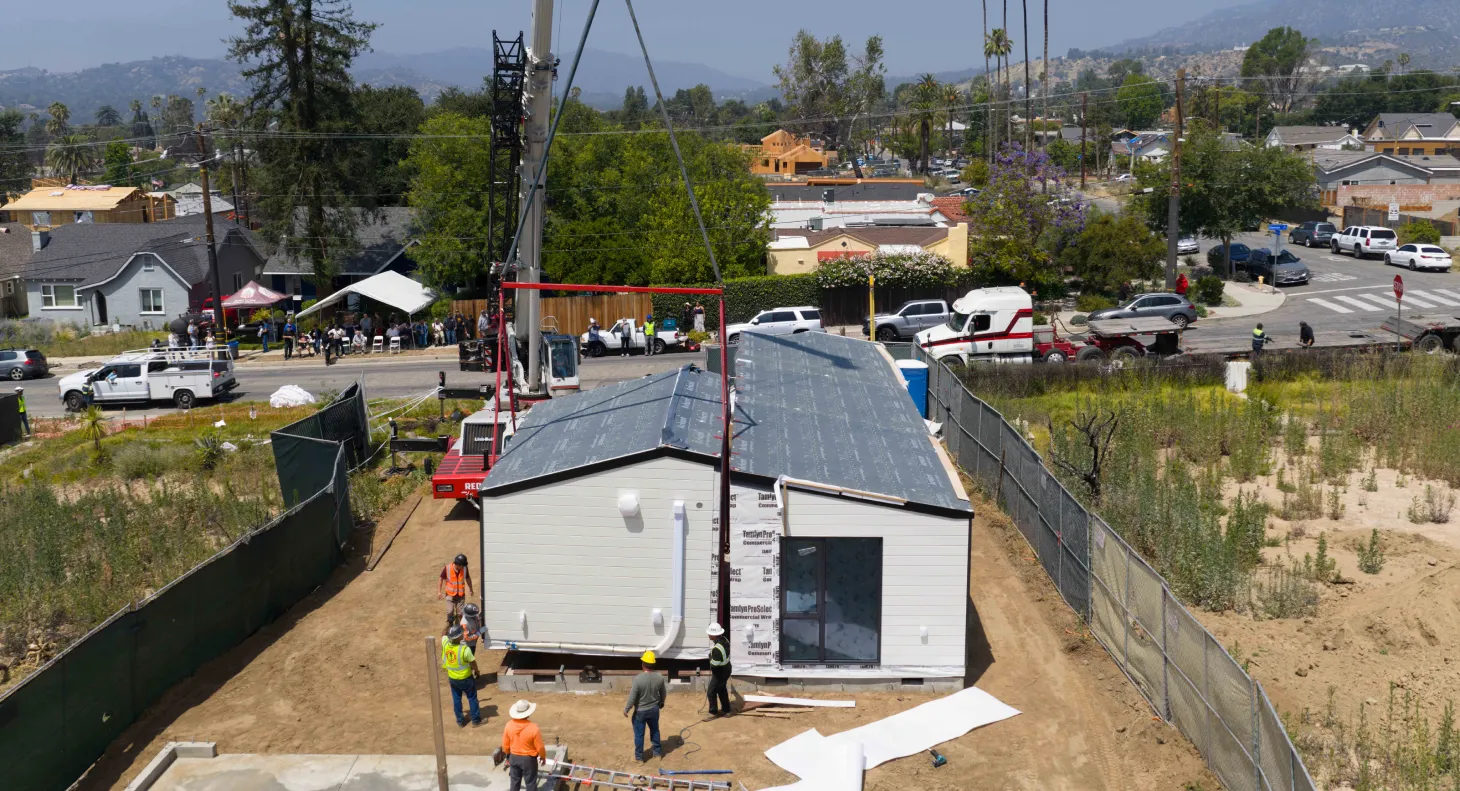
By shifting structural framing, insulation, and interior finishes into our precision manufacturing plant, we execute the build off-site in parallel. While low-impact steel piers are installed on your lot, your unit is built to millimeter tolerances under controlled factory conditions. The completed module arrives pre-wired, pre-finished, and pre-plumbed, getting craned into place and sealed in a fraction of the traditional timeline.
Build with Confidence on Marin Soil
Don’t let steep slopes or strict WUI fire codes stop you from unlocking your lot’s potential. Let’s evaluate your property’s topography and review our fire-resistant, state-preapproved designs.
Book a Free Consultation with our project strategists today to evaluate your lot’s access, review engineered foundation options, and receive a transparent, fixed-cost quote.
Ready to see how a high-performance unit sits on your hillside? Enter your address into our Check My Lot tool to instantly view real-time property setbacks, map your topography footprint, and visualize your new sanctuary in full.
Discover More
Building ADUs Near Protected Redwoods

Circadian Engineering: How Smart Blue Light Triggers Flow State
The LA Duplex Strategy: Unlocking SB 1211 ADUs
About Us