Building ADUs Near Protected Redwoods

Engineered for the Big One: Steel Framing and Seismic Resilience on the San Andreas Fault
If you live in Los Angeles, seismic activity isn’t a theoretical risk—it’s an engineering certainty. Whether your lot sits near the Newport-Inglewood fault, the Hollywood fault, or along the broader San Andreas system, every structure on your property will eventually face severe ground motion.
When traditional stick-builders frame a home, they rely on methods that haven’t fundamentally changed in a century: site-cut dimensional lumber held together by nails. Over time, that wood absorbs ambient moisture, warps, twists, and gets eaten by termites. When a major earthquake hits, an aged, compromised wood frame gives way at its weakest joints, leading to cracked drywall, stuck doors, or catastrophic shear failure.
At LiveLarge Home, we view residential construction through the lens of high-tech manufacturing and structural engineering. This is “Chapter Two.” By replacing traditional lumber with factory-engineered, light-gauge steel framing, we build detached accessory dwelling units (ADUs) that act as rigid, high-performance structural vaults during Southern California’s inevitable seismic events.
The Material Science: Why Steel Outperforms Timber
When the ground moves during a major tremor, a building experiences intense lateral forces and cyclic loading. The survival of the structure depends on the strength-to-weight ratio and material consistency of its frame.
Here is how light-gauge steel framing redefines seismic defense:
The Acoustic Fortress Meets Seismic Defense
Seismic resilience doesn’t require sacrificing luxury or acoustic comfort. In fact, the exact engineering that secures our frames against earthquakes contributes to a superior living environment.
What to Look For: Educating the Los Angeles Homeowner
When adding a secondary building to your Los Angeles lot, you must audit the structural specifications to ensure your investment survives real-world forces.
Why Factory Precision Eliminates Job-Site Chaos
Attempting a complex, seismically reinforced custom build using a traditional contractor in a tight LA backyard introduces massive friction. Staging heavy lumber, managing field crews, and waiting on multiple city inspections can drag a project out for 12 to 18 months.
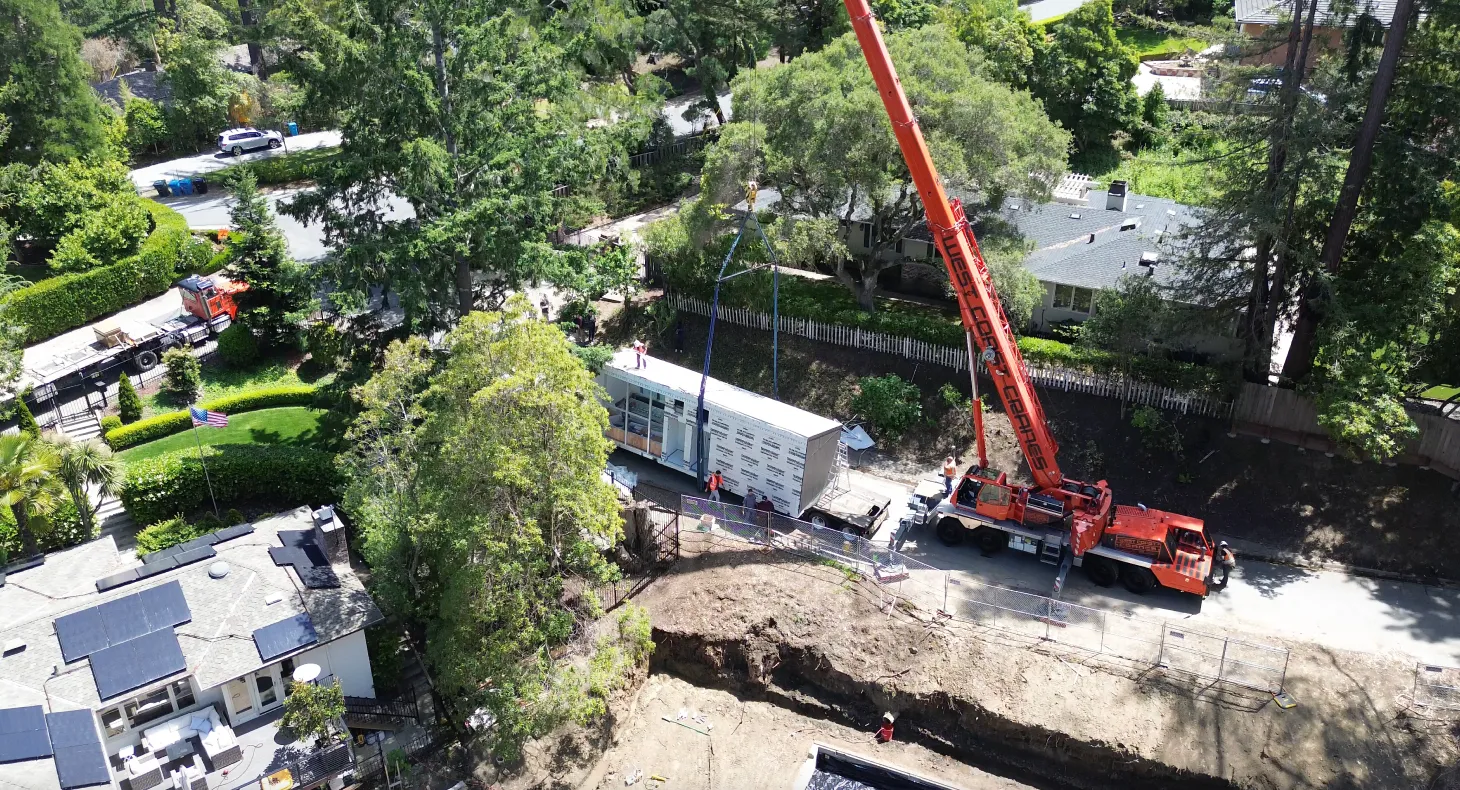
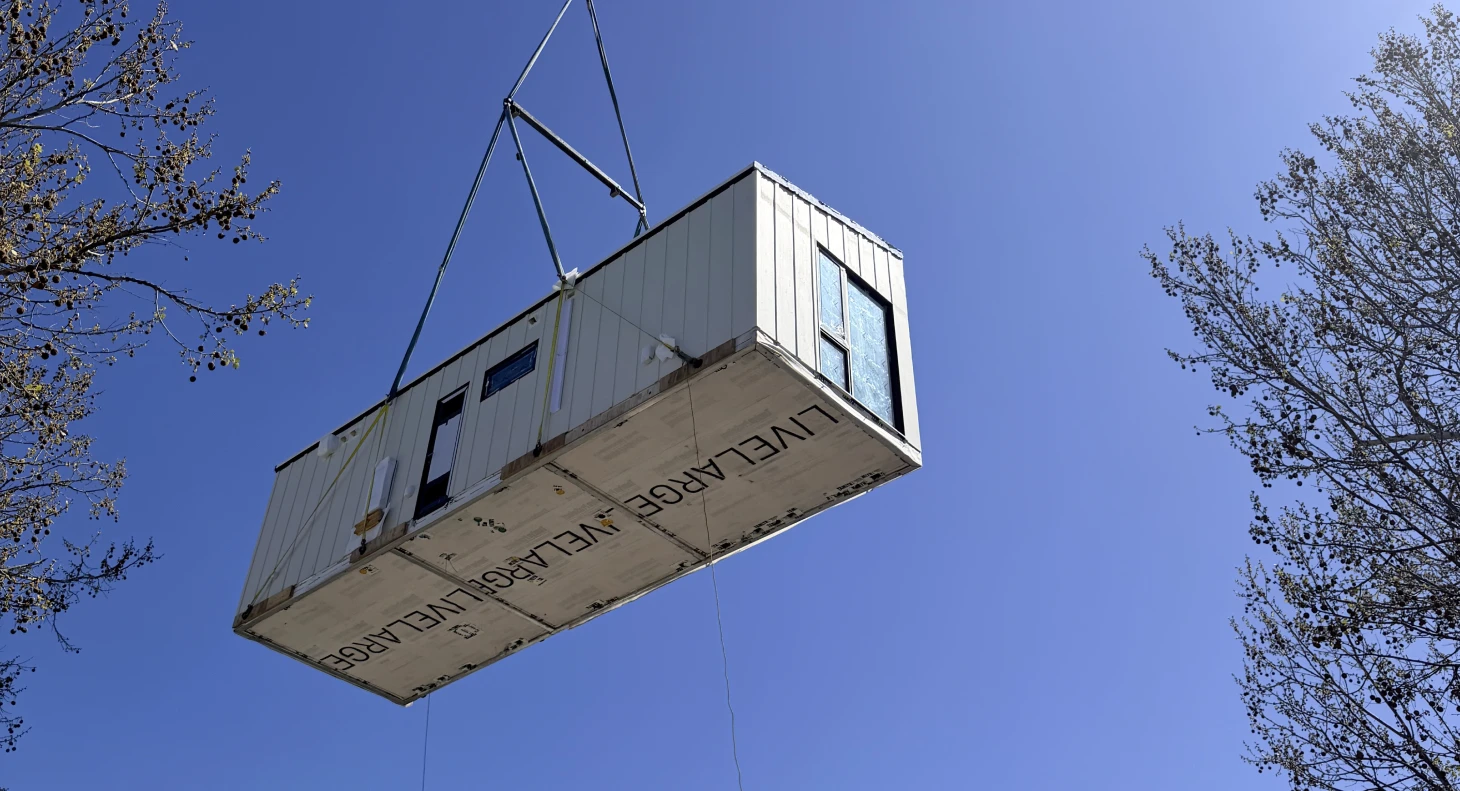
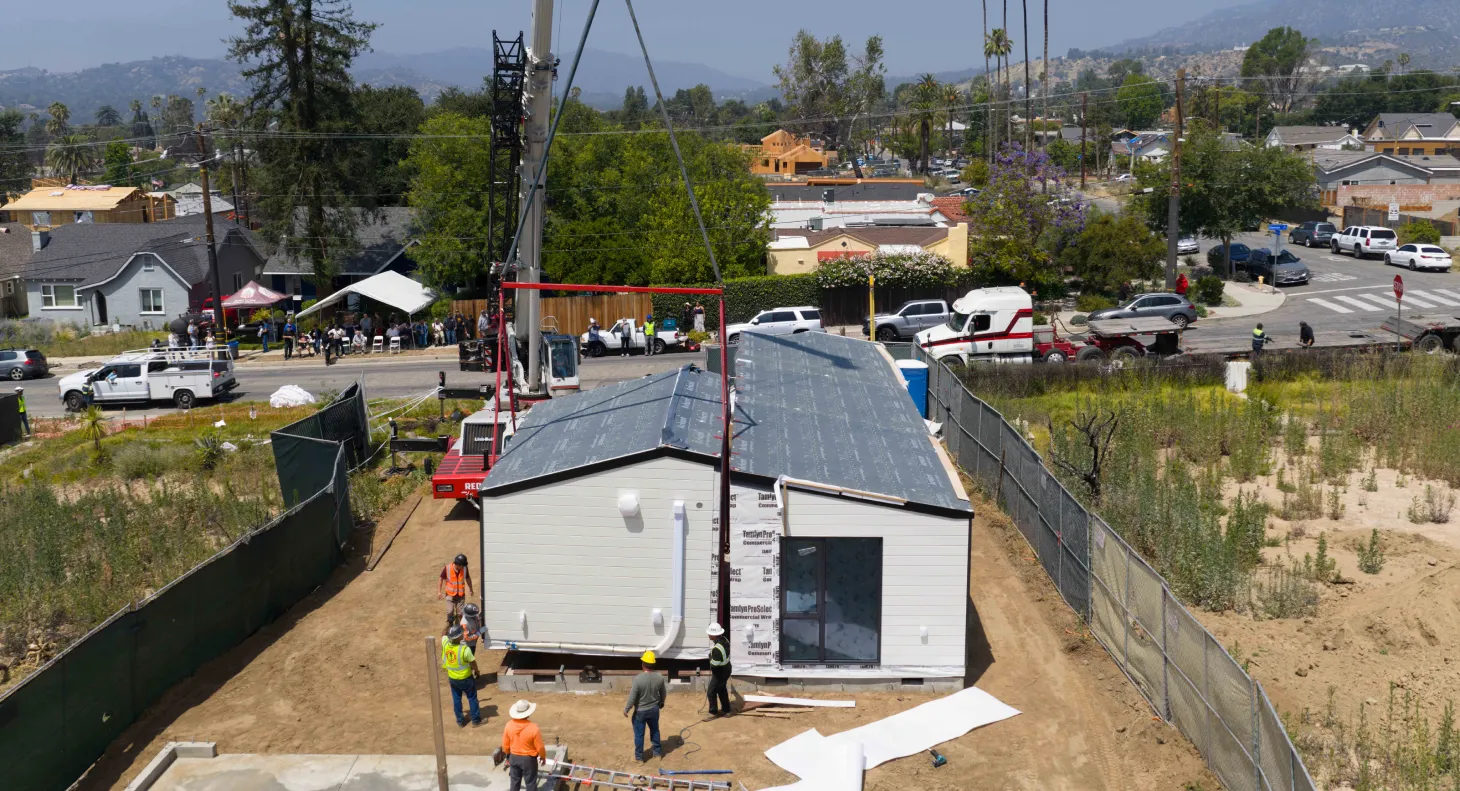
By shifting the heavy framing and structural assembly into our precision manufacturing facility, we execute the project in parallel. While foundation points and seismic anchors are installed on your lot, your unit is constructed to laser-cut tolerances. The finished modules arrive pre-wired and pre-finished, getting craned into place and anchored in a fraction of the traditional timeline.
Build for Peace of Mind. Protect Your Capital.
Don’t wait for the next major earthquake to wish you had chosen engineered steel over traditional timber. Let’s look at the structural roadmap and site plan for your lot.
Book a Free Consultation with our technical strategists today to review our seismically engineered layouts, explore finish options, and receive a transparent, fixed-cost quote for your property.
Ready to see how a luxury structural asset sits on your lot? Enter your address into our Check My Lot tool to instantly view real-time property setbacks, map your yard’s footprint, and visualize your seismic-ready sanctuary in full.
Discover More
Building ADUs Near Protected Redwoods

Circadian Engineering: How Smart Blue Light Triggers Flow State
The LA Duplex Strategy: Unlocking SB 1211 ADUs
About Us