No Shared Walls, No Decibel Leaks: The Ultimate Soundstage for Hollywood Creatives

If you record voiceover, track vocals, or mix broadcast audio in Los Angeles or the Bay Area, you know the daily hell of ambient noise pollution. You’re halfway through a flawless VO takeaway or a crucial acoustic track when a gas-powered leaf blower kicks on three doors down. A trash truck rumbles down the alley, a police helicopter circles overhead, or someone flushes a toilet in the main house.

Just like that, your noise floor spikes, your take is ruined, and your creative rhythm vanishes.

Trying to soundproof a spare bedroom or a garage in a traditional stick-built home is an exercise in futility. Standard 2×4 timber framing behaves like a tuning fork—telegraphing ground vibration and low-frequency rumble straight through the drywall. Adding foam panels to a wall doesn’t stop sound; it just changes the room’s echo while the neighbor’s lawnmower cuts right through the glass.

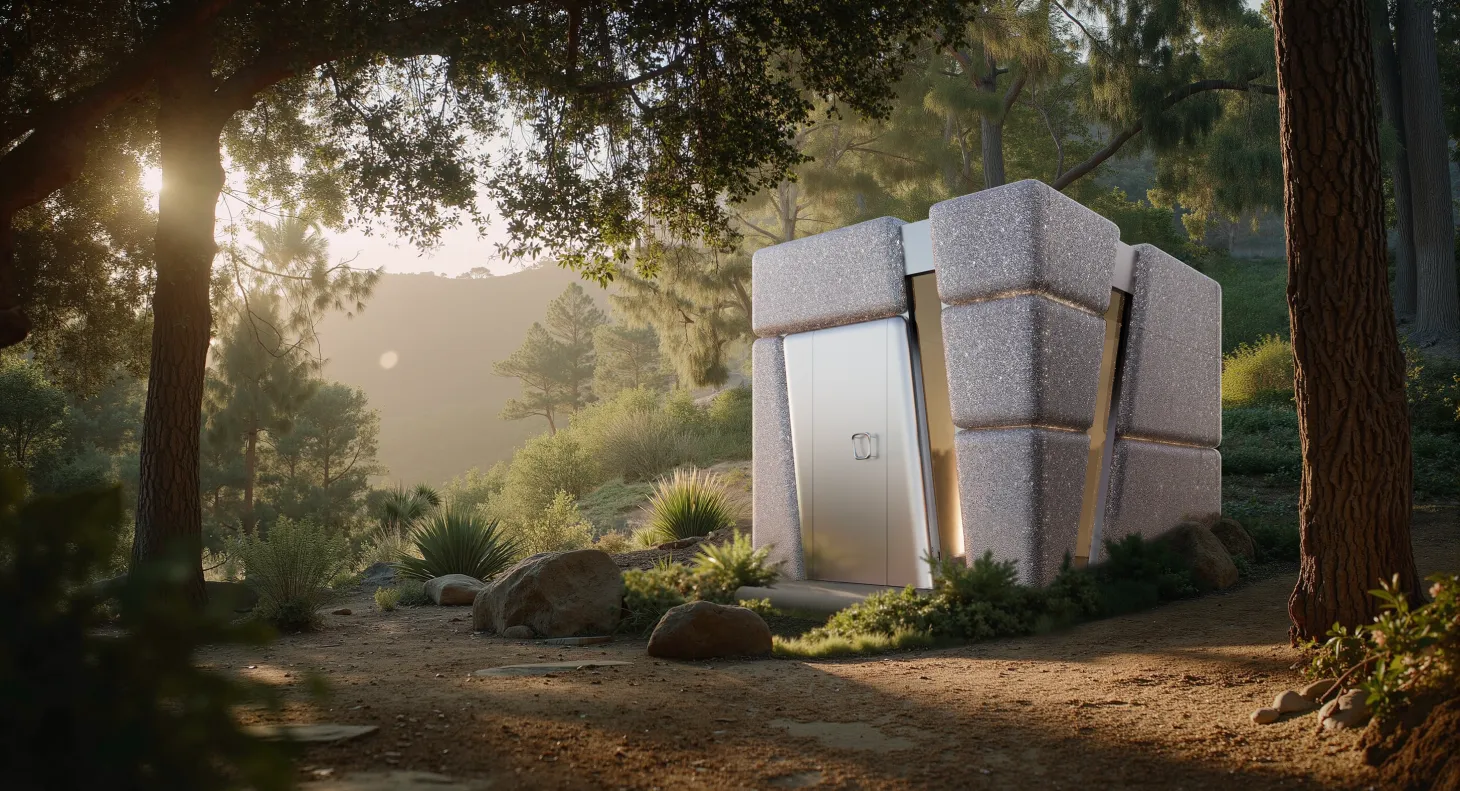
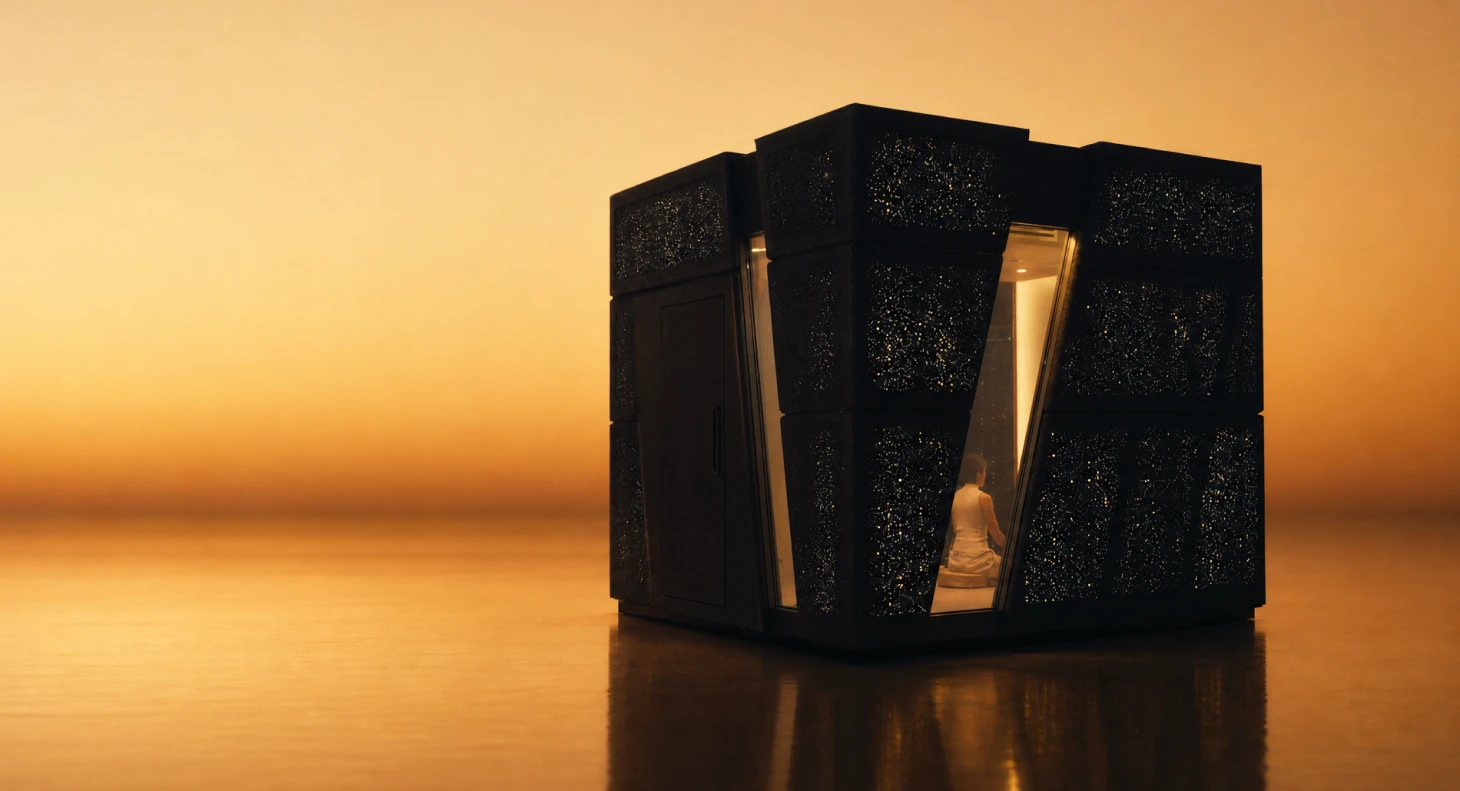
At LiveLarge Home, we look at acoustic isolation through the raw physics of mass, damping, and structural decoupling. This is “Chapter Two” of creative real estate: building a standalone, industrial-grade audio sanctuary right in your backyard.

The Physics of “The Thunk”: Engineering the Absolute Acoustic Fortress

Sound is mechanical energy traveling as a wave through physical matter. To kill it completely, you cannot just block it—you must decouple the physical structure and absorb the wave across multiple dense boundaries.

We engineered our detached studio units to act as true, zero-leakage soundstages:

  • Commercial-Grade Light-Gauge Steel Frame: Wood framing shrinks, warps, and flexes, creating micro-gaps that leak sound over time. LiveLarge structures are built entirely on precision-milled, light-gauge steel frames. Steel provides extreme structural mass and structural rigidity, resisting low-frequency vibration without the creaks and groans of aged timber.
  • The Triple-Pane Acoustic Shield: Standard double-pane windows act as a sound diaphragm. We deploy high-performance triple-paned glass assemblies with varied glass thicknesses and argon-gas-filled air cavities. This breaks different sound frequencies at every layer, stopping high-decibel street noise, lawnmowers, and sirens dead in their tracks.
  • Multi-Layer Mass and Damping Envelope: We don’t rely on thin drywall. Wall cavities are packed with dense, high-efficiency insulation layers and wrapped in non-combustible fiber cement siding. This multi-layer mass sandwich creates an airtight seal that decouples the interior room from the exterior world.
  • The Solid “Thunk”: The moment you step inside and pull the heavy exterior door shut, you experience a physical sensation: “the thunk.” The pressure seals, the room drops into dead silence, and the ambient noise floor vanishes to zero.

A Professional Soundstage with Zero Overhead Friction

Moving your tracking studio into a dedicated, detached backyard asset unlocks massive operational freedom:

  • 24/7 Recording Autonomy: Track drums at midnight, record VO scripts at dawn, or test a high-gain guitar rig without waking your family or frustrating your neighbors. The acoustic isolation works both ways—what happens inside stays inside.
  • Whisper-Quiet HVAC Systems: Traditional AC units roar through ductwork, ruining delicate condenser mic tracks. LiveLarge units feature ultra-efficient, whisper-quiet mini-split climate systems engineered to cycle fresh air and lock in exact temperatures at imperceptible decibel levels.
  • Integrated Tech Architecture: Pre-wired for gigabit Cat6 networking, clean power grounding, and high-definition visual displays, your studio is ready for zero-latency remote sessions, source-connect feeds, and real-time mixing work.

What to Look For: Educating the Audio Professional

When investing in a dedicated backyard tracking room or editing suite, you must audit the technical foundation to guarantee acoustic performance.

  • Demand Non-Organic Structural Framing: Moisture intrusion in wood-framed outbuildings causes mold and warps wall studs, breaking airtight acoustic seals. Light-gauge steel framing and fiber cement cladding never rot, warp, or degrade, protecting your acoustic envelope forever.
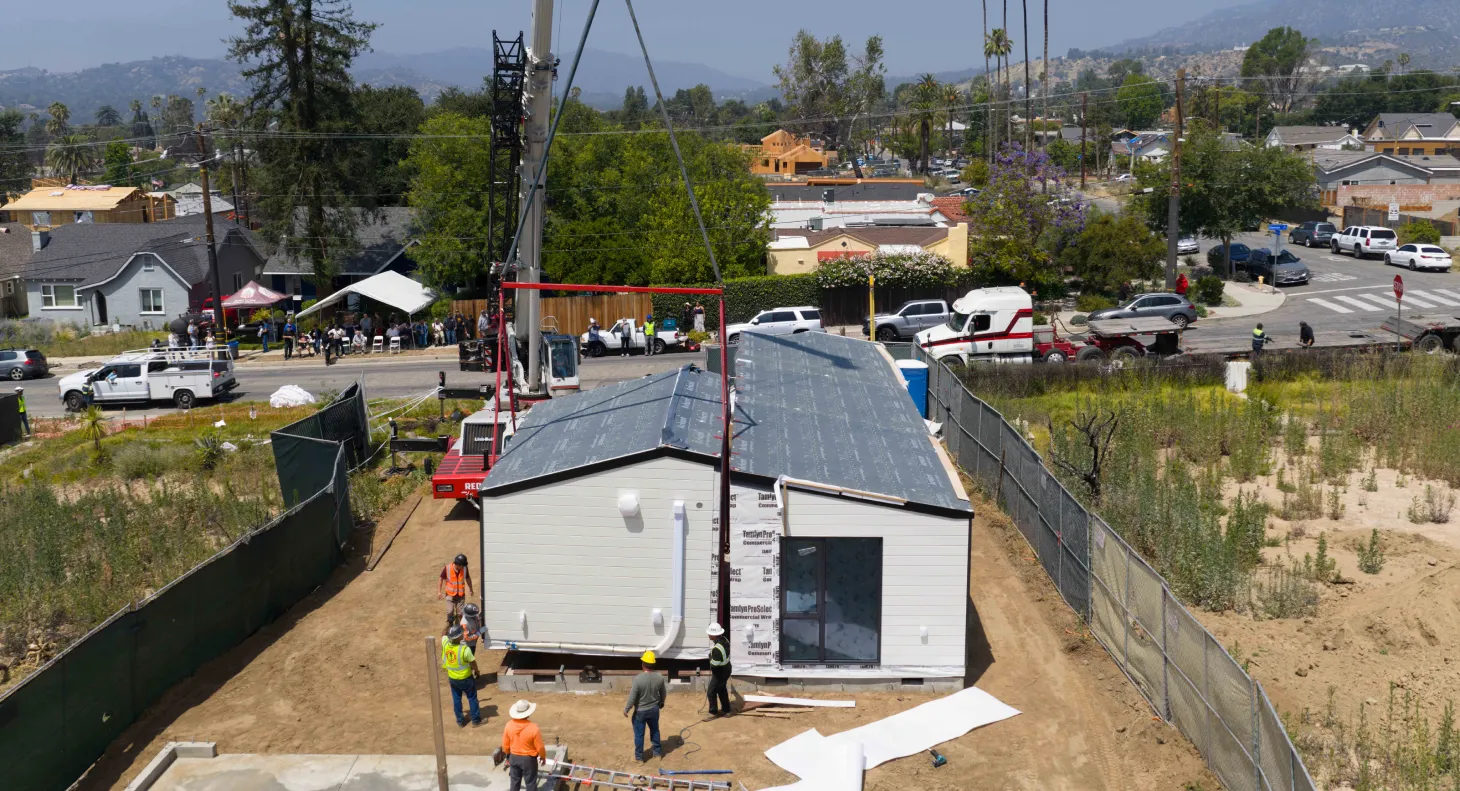
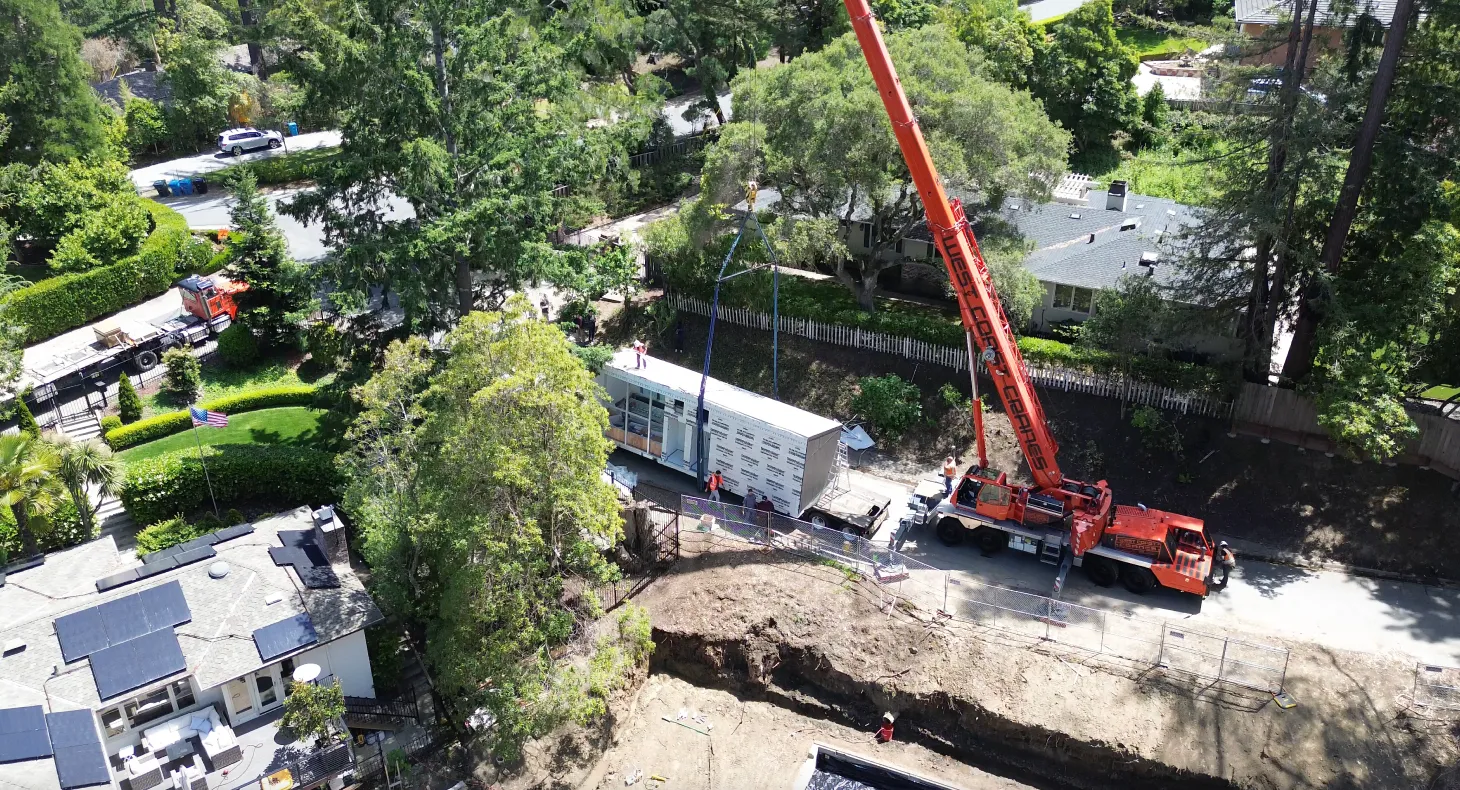
  • Insist on Factory-Controlled Construction: Building a high-mass, acoustically isolated studio on-site with traditional contractors is a nightmare. Field errors in insulation packing or door sealing ruin the room’s STC (Sound Transmission Class) rating. Assembling the module under pristine factory conditions ensures laser-cut precision and guaranteed acoustic isolation.
  • Require California State HCD Approval: Ensure your unit carries permanent state pre-approval through the California Department of Housing and Community Development (HCD). This bypasses subjective local city planning desk delays, securing your studio as a legal, permanent real estate asset that drives up your property value.

Stop Throttling Your Audio. Claim Your Studio.

You shouldn’t have to schedule your recording sessions around the neighborhood leaf blower schedule or pay thousands a month for commercial studio time. Your ultimate, noise-floor-zero soundstage is ready to deploy in your backyard.

Book a Free Consultation with our project strategists today to review acoustic specs, explore floor plans, and receive a transparent, fixed-cost quote for your property.

Ready to see where your private soundstage can sit? Enter your address into our Check My Lot tool to instantly view real-time property setbacks, map your footprint, and visualize your acoustic sanctuary in full.

Discover More

Stealth Accessibility: Modern ADU Design for Aging in Place

The Hollywood Writers’ Room: Shared ADU Co-Working for Creative Partners

Splitting Your Lot Under AB 1033: The San Francisco and Oakland Action Guide