

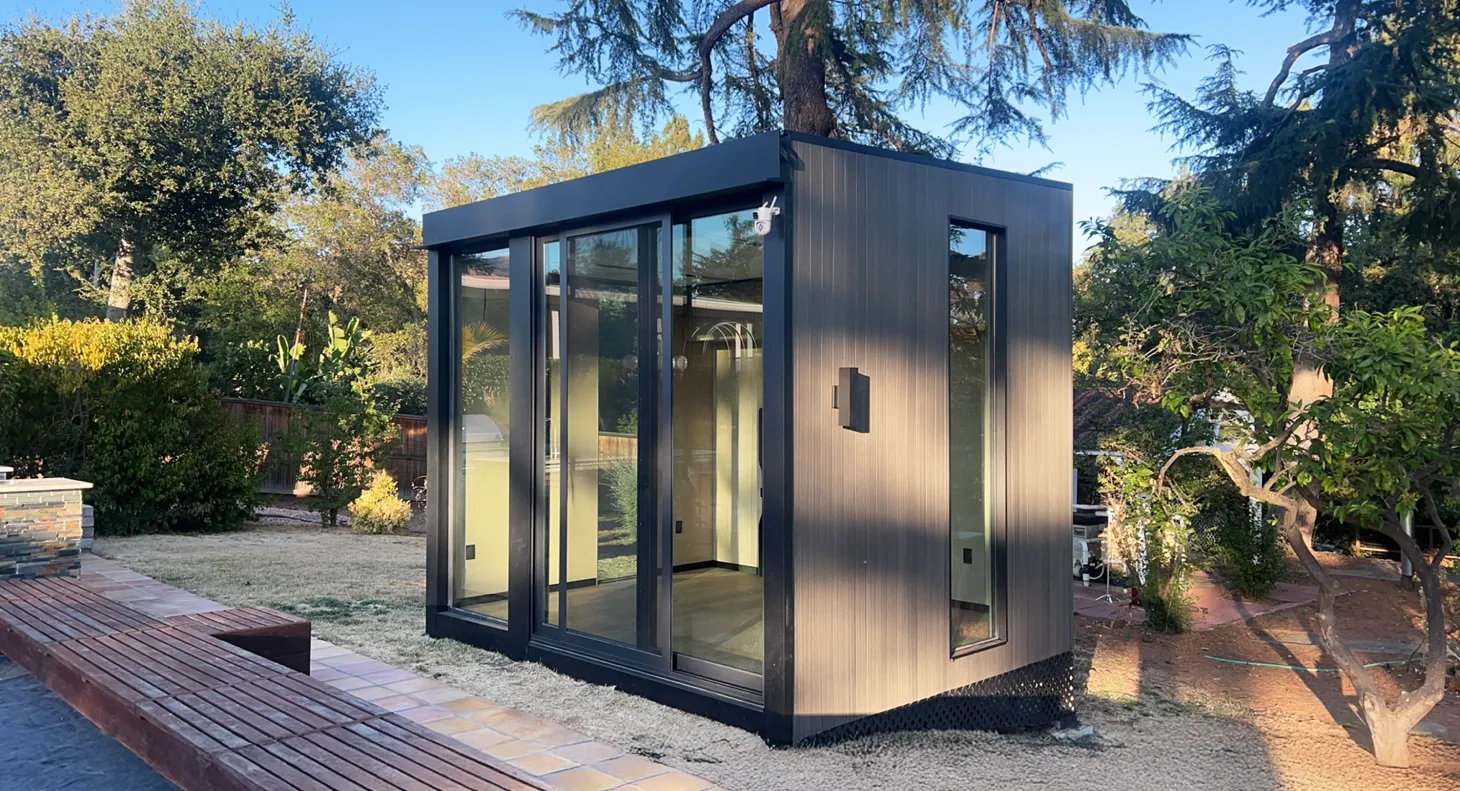
The Capital Play: Permit-Free Pods vs. The Master Suite Remodel

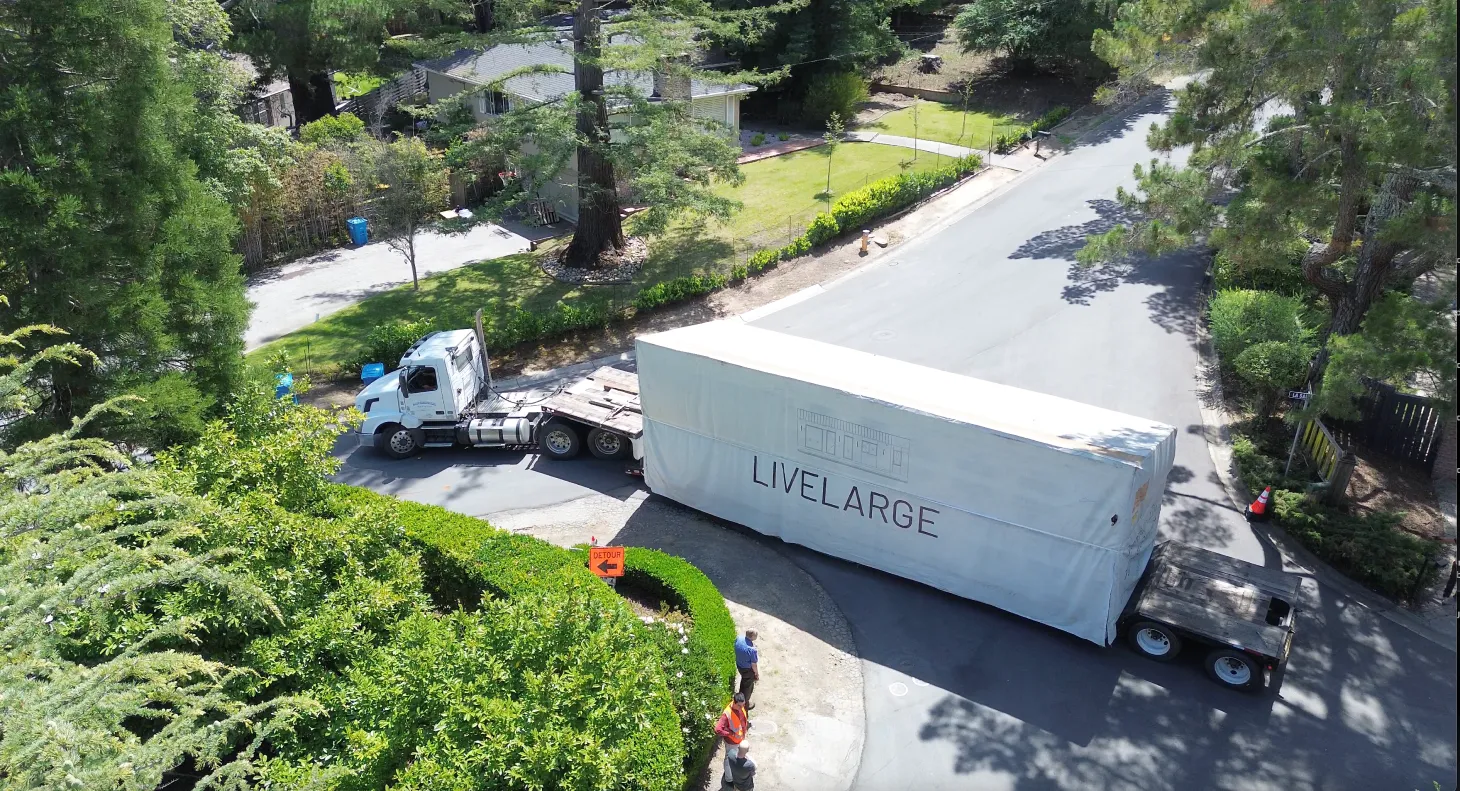
The Financial Close: Bulk Pricing, Joint Ventures, and Navigating the 2026 LA Capital Landscape
In the Los Angeles real estate world, the casual “mom-and-pop” ADU era has evolved into a highly strategic developer’s market. With the expansion of multifamily zoning and density incentives heading into 2026, the discussion is no longer about clearing a corner of your yard for a single shed. It’s about scaling square footage to maximize cap rates.
As a builder who has operated on both traditional, trade-heavy job sites and high-volume manufacturing lines, I look at real estate through the lens of industrial scale. When you approach a project like an engineer rather than a spectator, the financial math shifts completely.
This is “Chapter Two” of building—where capital efficiency and factory precision combine to deliver high-yield multi-unit assets without the traditional job-site friction.
Bulk Pricing for Multi-Unit Projects
If you are stick-building three or four independent units on a lot in LA, your contractor is essentially running three or four independent, uncoordinated construction sites. They are ordering framing, plumbing, and drywall piecemeal, and you are paying retail margins on all of it.
The Manufacturing Play:
Strategic Partnerships for Land Owners
There is a massive class of property owners in Los Angeles right now who are “asset rich but capital constrained.” They own underutilized R1 or multifamily lots in premium hubs like Silver Lake, Venice, or Pasadena, but they don’t have the $300k+ in liquidity required to develop them.
The Joint Venture Model: We are seeing an influx of strategic land-use partnerships. Savvy investors are partnering directly with property owners: the owner brings the equity in the dirt, the investor brings the construction capital, and LiveLarge brings the pre-approved, high-performance asset.
Because our structures are State HCD-certified, they act as permanent real estate additions that instantly drive up the underlying property appraisal. It’s a clean equity play. By bypassing the 18-month “firefighting” timeline of local planning departments, partnerships can move from a hand-shake agreement to split rental yields in a fraction of the time.
2026 Investor Grant & Incentive Opportunities
Why It Matters: Predictable Capital Deployment
In real estate development, risk isn’t found in the concept—it’s found in the unknown. Traditional construction projects fail financially because of “change orders” and carrying costs during city review delays.
Start Your Capital Assessment Today
You don’t need to drop five figures on an architect or an urban planner just to see if a multi-unit density play works on your property. Let’s sit down and run the actual pro-forma.
Book a Free Consultation with our project specialists. We’ll analyze your lot’s specific zoning, evaluate your utility capacity, and map out a fixed-cost layout tailored for maximum rental yield.
Want to check your footprint right now? Skip the tape measure. Enter your address into our Check My Lot tool to instantly see how our pre-approved, high-yield models sit within your property’s setback lines in 3D.
Discover More
The Capital Play: Permit-Free Pods vs. The Master Suite Remodel
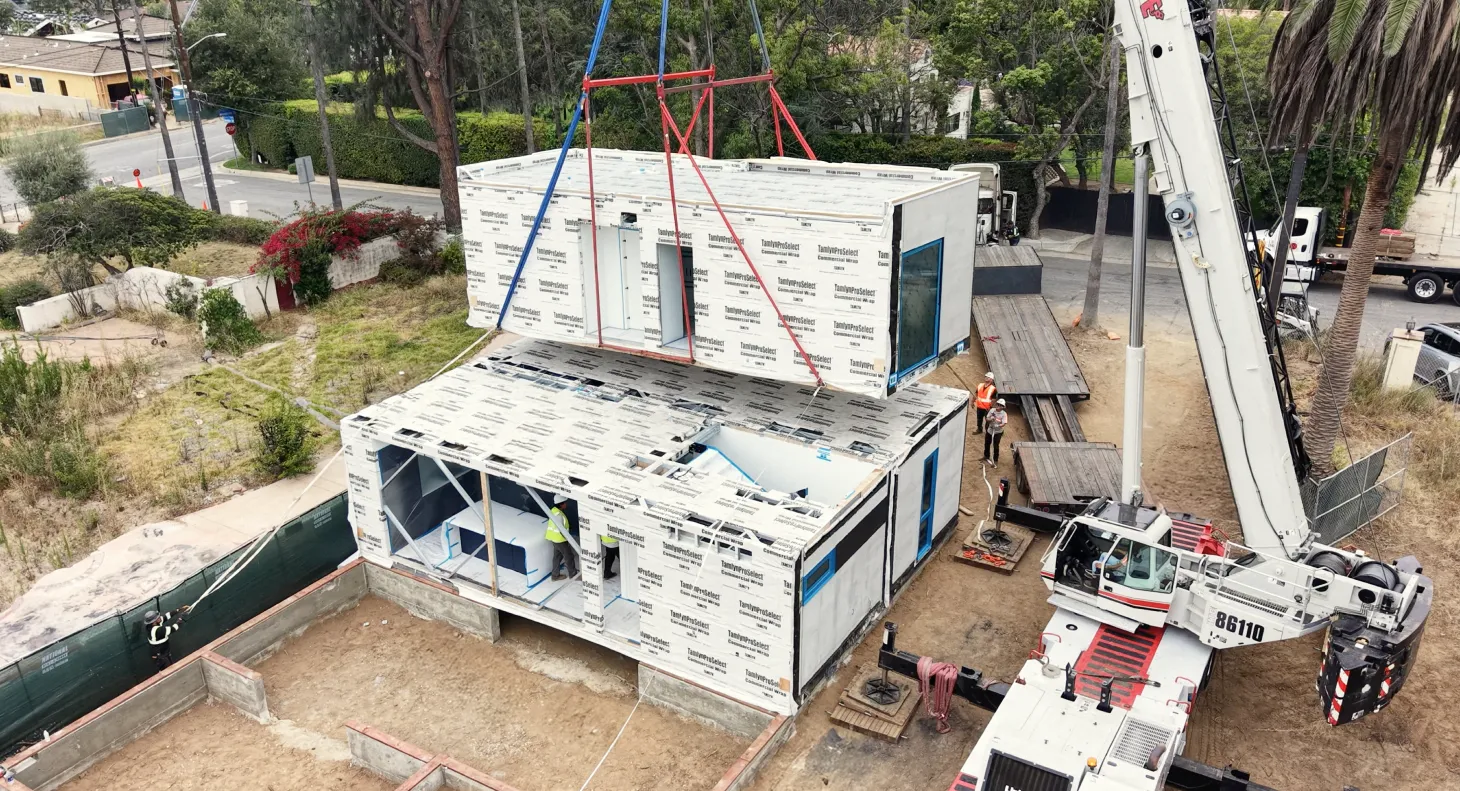
The ADU Pool House: Merging Luxury Guest Suites with LA Outdoor Living
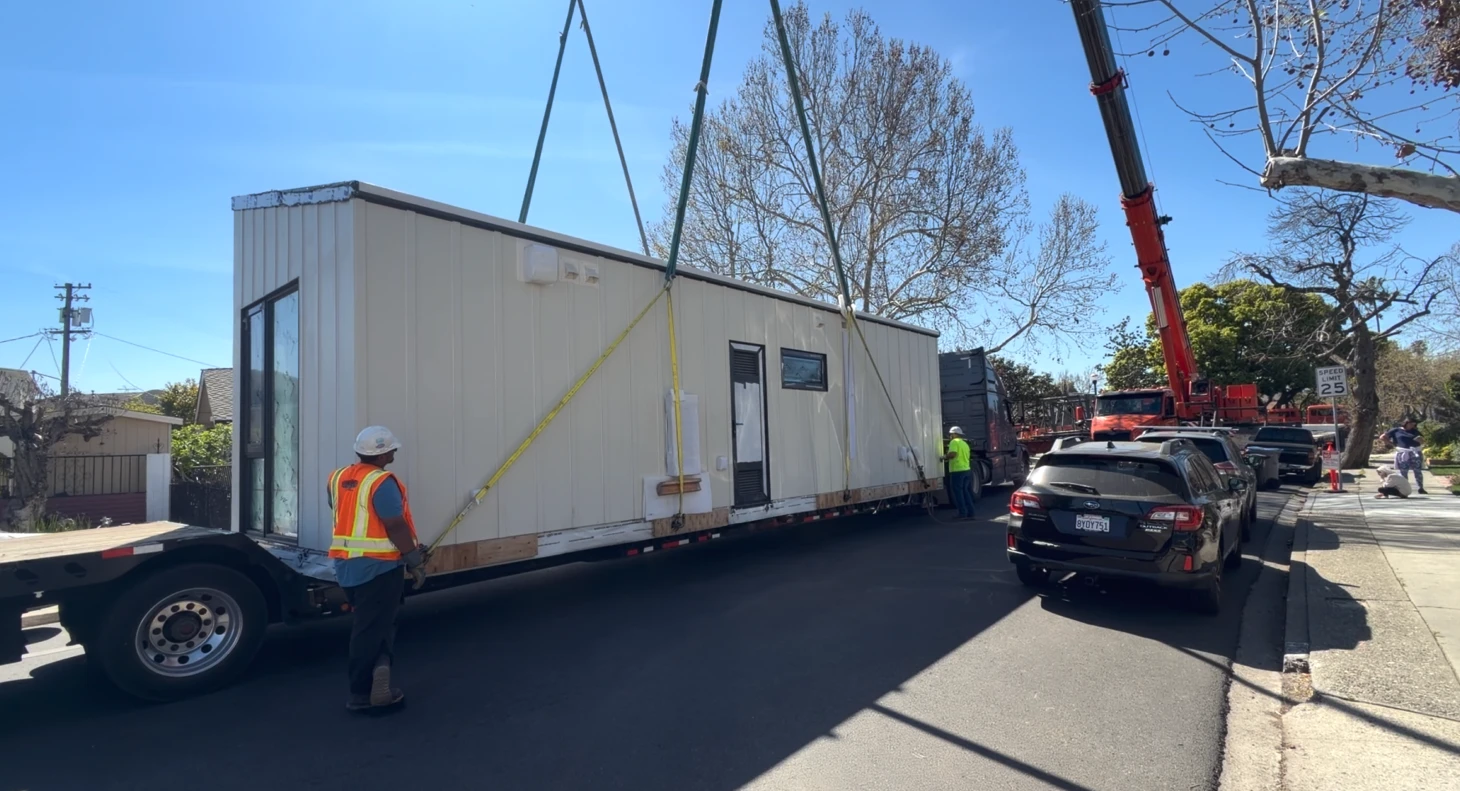
The South Bay Squeeze: Bypassing Astounding Silicon Valley Rents
About Us