The Capital Play: Permit-Free Pods vs. The Master Suite Remodel

Overriding the Gates: Navigating Strict HOAs When Building a California ADU
If you live in a planned development, a gated community, or a neighborhood governed by a Homeowners Association (HOAs), you’re used to the rules. You know the exact shades of beige allowed for your garage door, and you know how many days your trash cans can sit on the curb before a letter arrives.
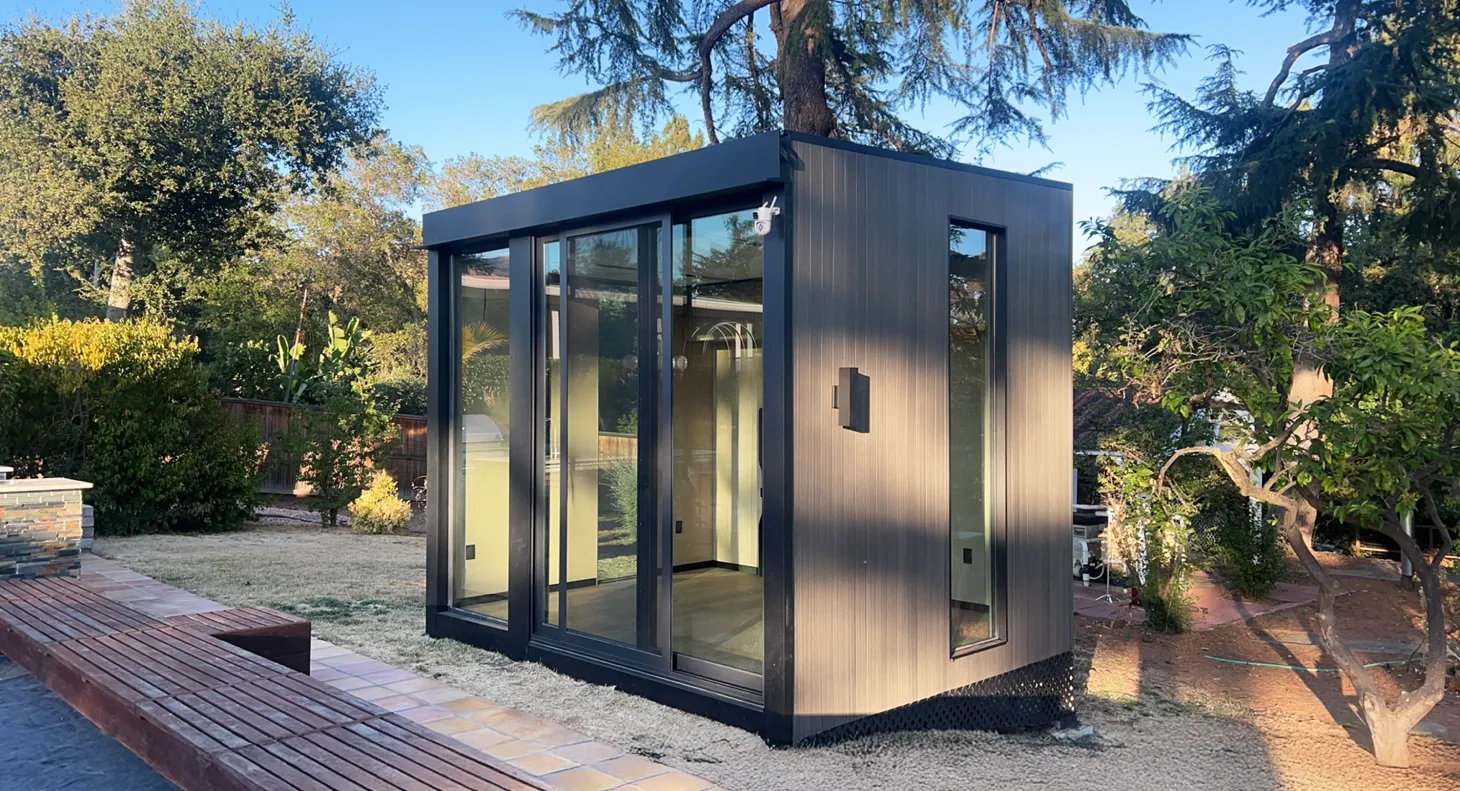
So, when you start thinking about building an Accessory Dwelling Unit (ADU) or a high-performance LiveLarge L-Space workspace in your backyard, your first instinct is probably to shut the idea down. “The HOA will never approve this,” you think.
As a builder who views property through the lens of industrial efficiency, I’m here to give you some major strategic news: In California, your HOA does not have the final say. Welcome to “Chapter Two” of land-use leverage—where state-level legislation strips the red tape from local gatekeepers and gives control back to the homeowner.
The State Override: Why HOAs Cannot Ban Your ADU
For years, strict HOAs used architectural guidelines, view-protection clauses, and outright bans to stop homeowners from adding secondary units. But as California’s housing crisis intensified, the state legislature stepped in with a sledgehammer to break up local roadblocks.
Under California law (specifically codified in Civil Code Section 4751), any covenant, restriction, or HOA rule that effectively prohibits or unreasonably restricts the construction or use of an ADU or JADU on a single-family lot is void and unenforceable.
Let’s translate that from legal speak to builder reality:
Where the HOA Still Has Teeth: Architectural Control
Now, let’s be pragmatic. The state overrides bans, but it does not completely strip the HOA of its right to enforce reasonable architectural standards. They can still participate in the process, but their rules must be “objective and ministerial,” not subjective opinions.
Your HOA can typically regulate:
Why the Manufacturing Mindset Wins the HOA Battle
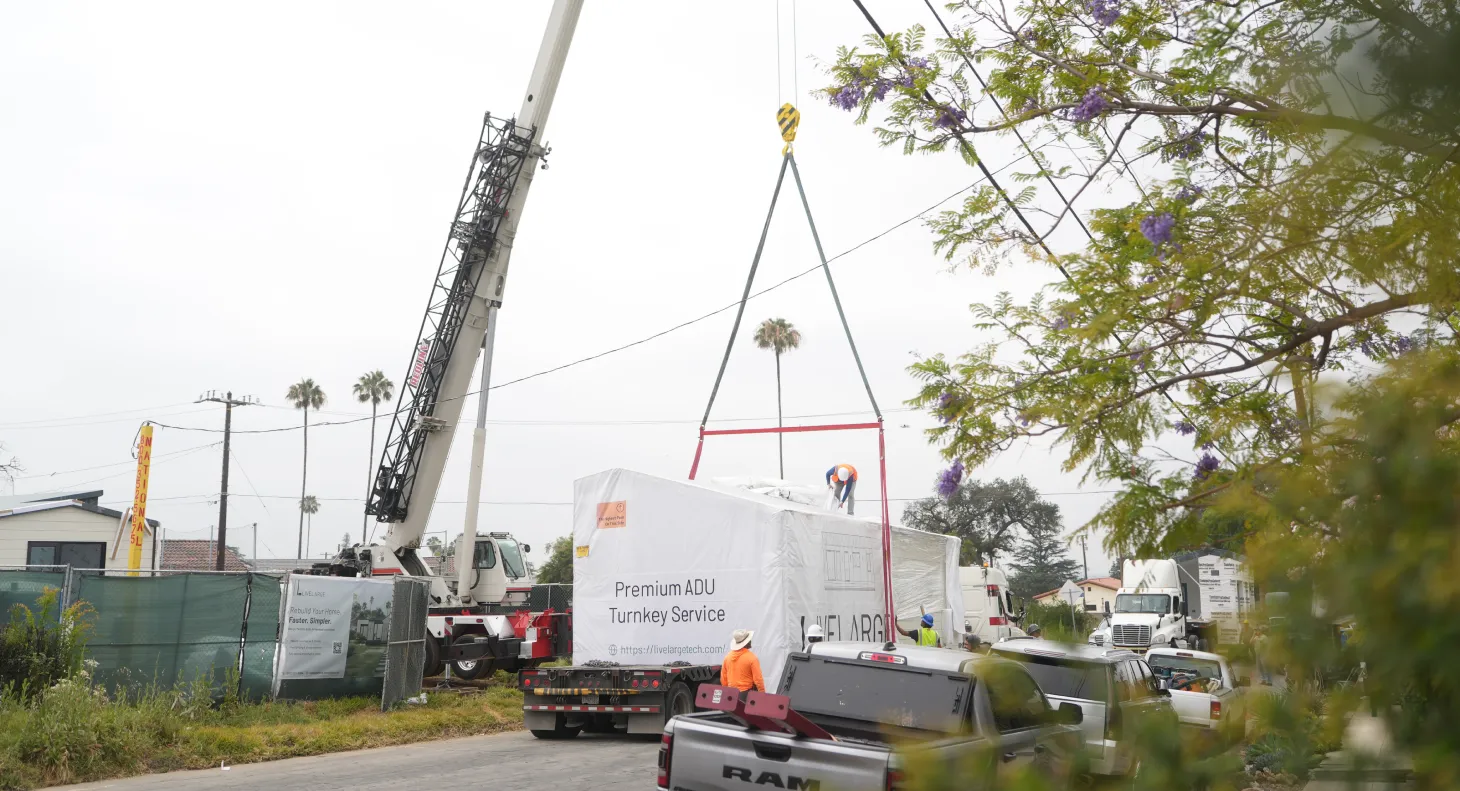
Dealing with an HOA board requires data, predictability, and speed. If you hire a traditional stick-builder, you are entering an architecture review committee meeting with loose sketches, an unstable timeline, and a project that will drag out construction noise and dumpster waste in front of your neighbors for 12+ months. That is a recipe for neighborhood friction.
The LiveLarge Turnkey Advantage:
Why It Matters: Protecting Your Equity and Peace of Mind
When you build a backyard home or a dedicated deep-work space, you are investing in an asset that elevates your property’s valuation. You shouldn’t have to “firefight” a neighborhood board to secure that future.
Ready to Navigate Your Project with Total Clarity?
Don’t let the fear of an HOA letter stall your property’s potential. Let’s look at the actual laws, requirements, and layouts for your specific neighborhood.
Book a Free Consultation with our project specialists. We will analyze your community guidelines, match them against California state protections, and give you a straight-talk roadmap for a hassle-free approval process.
Want to visualize your build right now? Skip the guesswork. Enter your address into our Check My Lot 3D tool to instantly view real-time model placements and see how a luxury, code-compliant unit sits within your property line setbacks.
Discover More
The Capital Play: Permit-Free Pods vs. The Master Suite Remodel
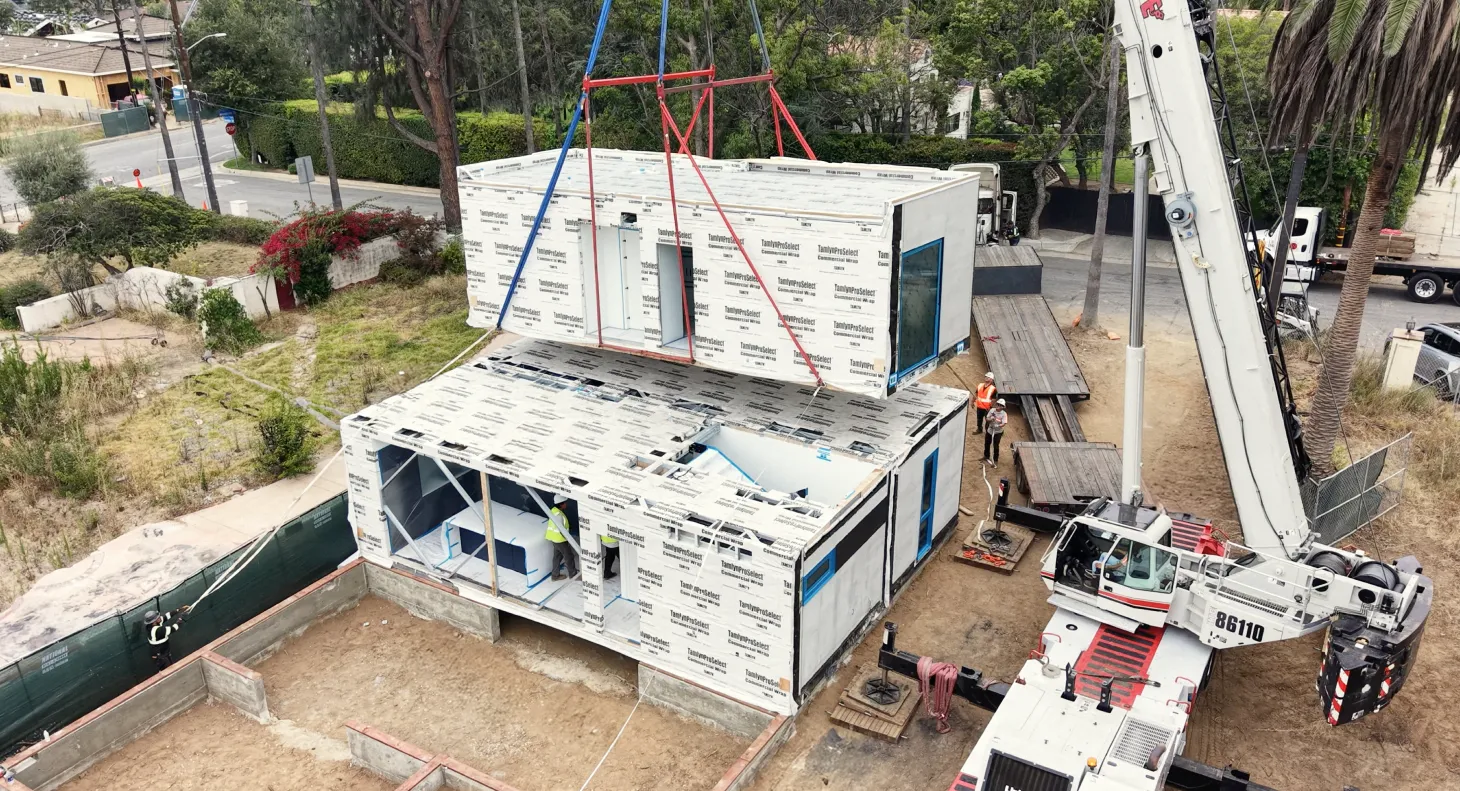
The ADU Pool House: Merging Luxury Guest Suites with LA Outdoor Living
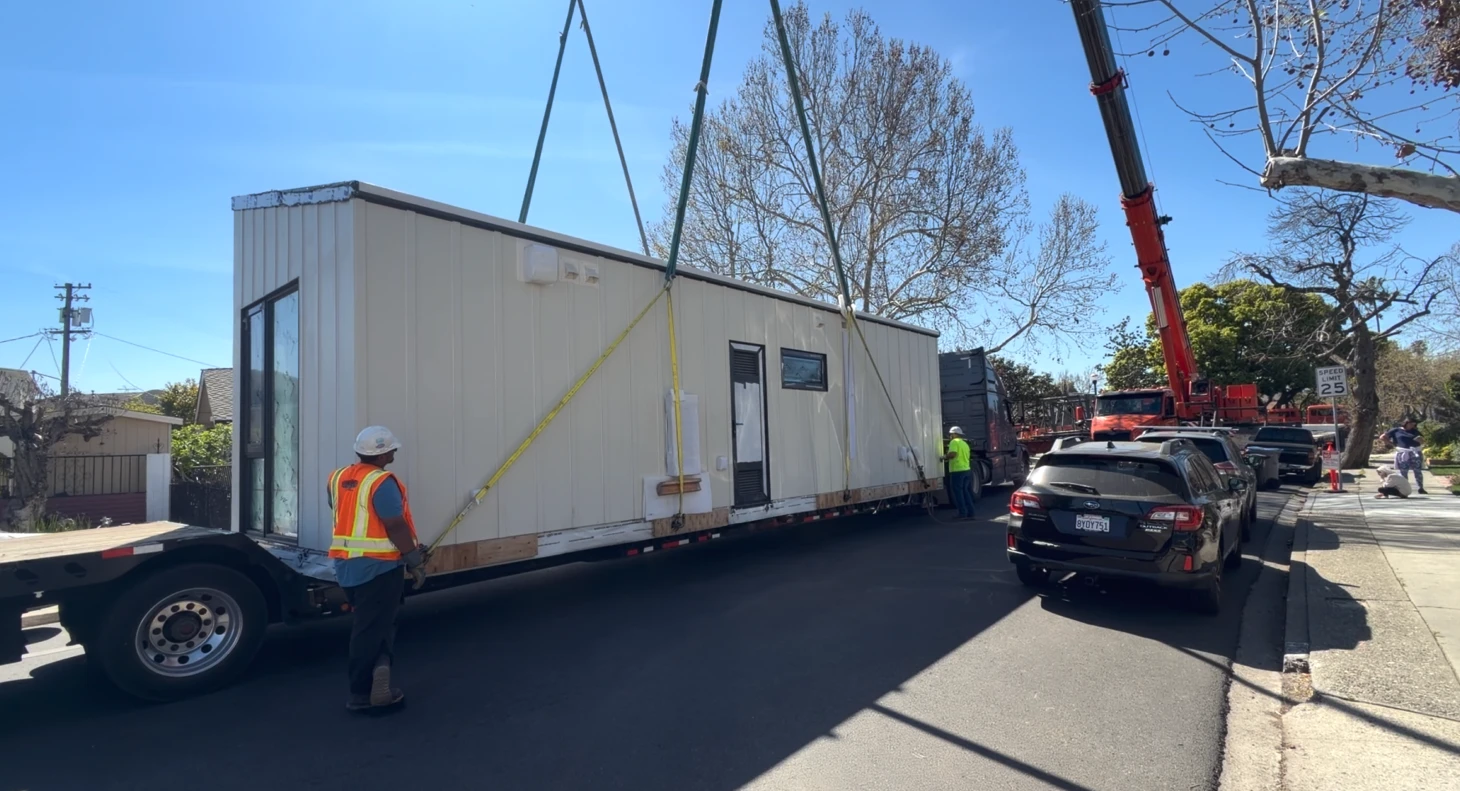
The South Bay Squeeze: Bypassing Astounding Silicon Valley Rents
About Us