Marin Hillside ADUs: Overcoming Slopes and Fire Codes

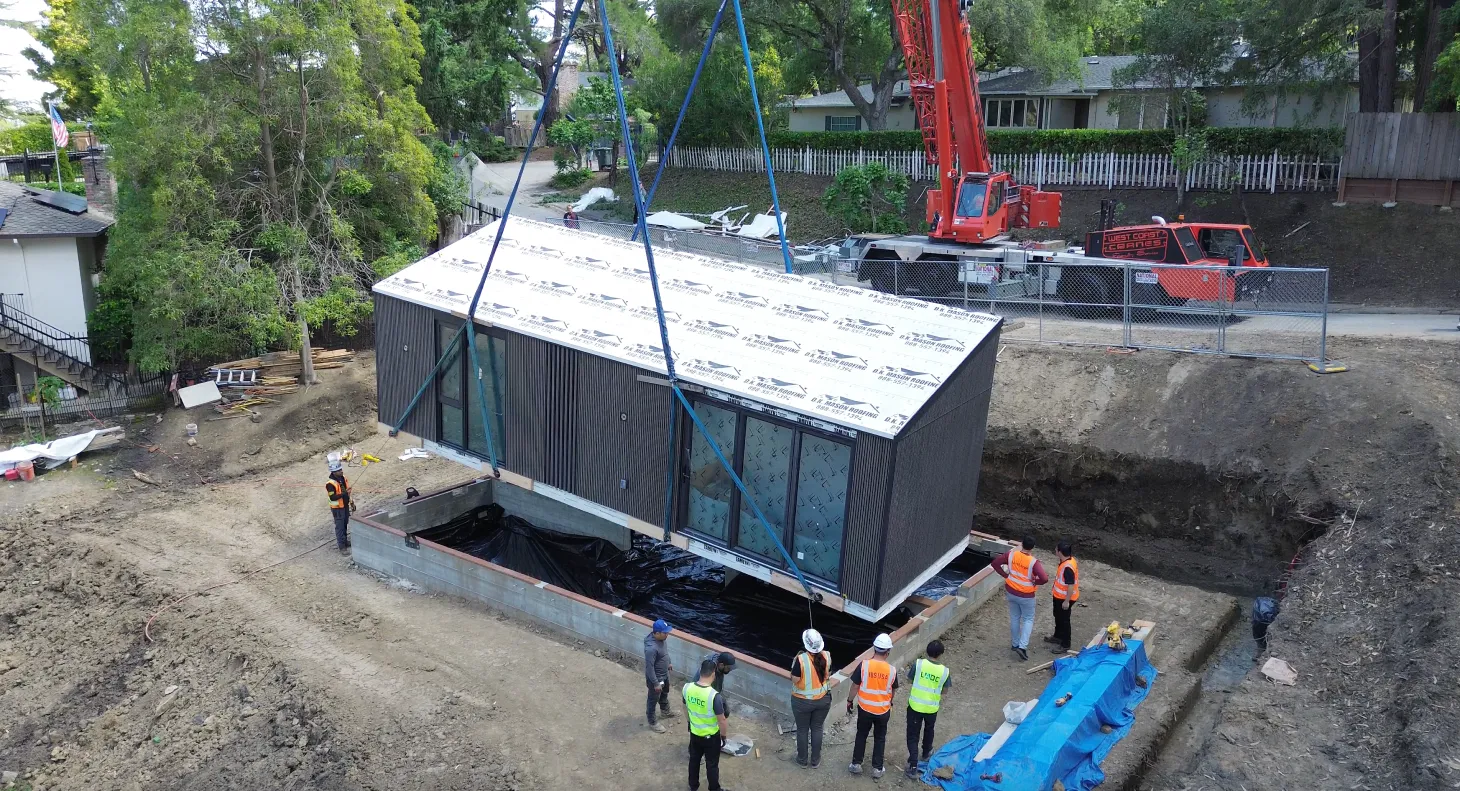
Demystifying Property Taxes and ADUs in California: The “Blended Assessment” Breakdown
One of the most persistent rumors in California real estate is that building an Accessory Dwelling Unit (ADU) will trigger a full property tax reassessment. If you bought your primary home a decade ago under California’s Proposition 13, the fear is understandable: you worry that adding a backyard unit will reset your entire property’s tax basis to current market value, destroying your hard-earned tax protection.
As a builder who looks at development through a lens of strict financial efficiency, I’m here to tell you that this fear is completely unfounded.
Welcome to “Chapter Two” of property planning—where understanding the tax code allows you to stop guessing and start leveraging your land with total confidence.
Understanding the Blended Assessment: Prop 13 Remains Intact
Let’s establish the most important baseline first: Building an ADU will not trigger a full reassessment of your primary residence. Under California law and Proposition 13 guidelines, your county assessor will use a mechanism called a blended assessment (or a “new construction reassessment”).
Here is exactly how the math works:
The Real Math: What Will the ADU Actually Cost You in Taxes?
Many homeowners believe their tax bill will jump by a flat 1% or 1.2% of their entire property’s new combined appraisal. In reality, you are only taxed on the value added by the new structure.
For example, if you add a high-end, 750-square-foot LiveLarge prefab home valued at $300,000 to your yard, your property tax bill will typically increase by roughly 1% of that specific amount—about $3,000 per year.
If that same unit is commanding $3,500 a month in the Los Angeles or Bay Area rental market, your tax obligation is covered in the first 30 days of the year. The remaining eleven months are pure, high-yield cash flow.
Why the Manufacturing Mindset Kills Tax Uncertainty
Traditional stick-built construction introduces a massive variable into your tax future. When a project drags on for 18 months, suffers constant “change orders,” and racks up unpredictable local contractor fees, your final cost-to-build becomes an unstable target. Because county assessors often look at building permits and recorded construction costs, a sloppy, over-budget stick build can result in a higher-than-expected tax assessment.
The LiveLarge Advantage:
Why It Matters: Real Estate Appreciation vs. Tax Drag
An “overbuilt,” fire-hardened ADU is one of the single most efficient ways to increase your net worth in California because the equity lift heavily outweighs the tax adjustment.
Get a Straight-Talk Financial Roadmap
Tax laws can feel like a labyrinth, but they shouldn’t stall your property’s potential. (Note: Because local tax rates and specific neighborhood assessment practices can vary, we always recommend verifying your final pro-forma numbers with a certified tax professional or CPA.)
Let’s look at the actual footprint of your project and clear out the guesswork.
Book a Free Consultation with our project strategists. We’ll sit down to review your property goals, break down local building costs, and show you exactly how an engineered prefab home builds real wealth without disrupting your primary tax status.
Want to see what fits before you talk to our team? Skip the tape measure. Plug your address into our Check My Lot 3D tool to instantly map your yard’s setbacks, view real-time model placements, and visualize your property’s Chapter Two in 3D.
Discover More
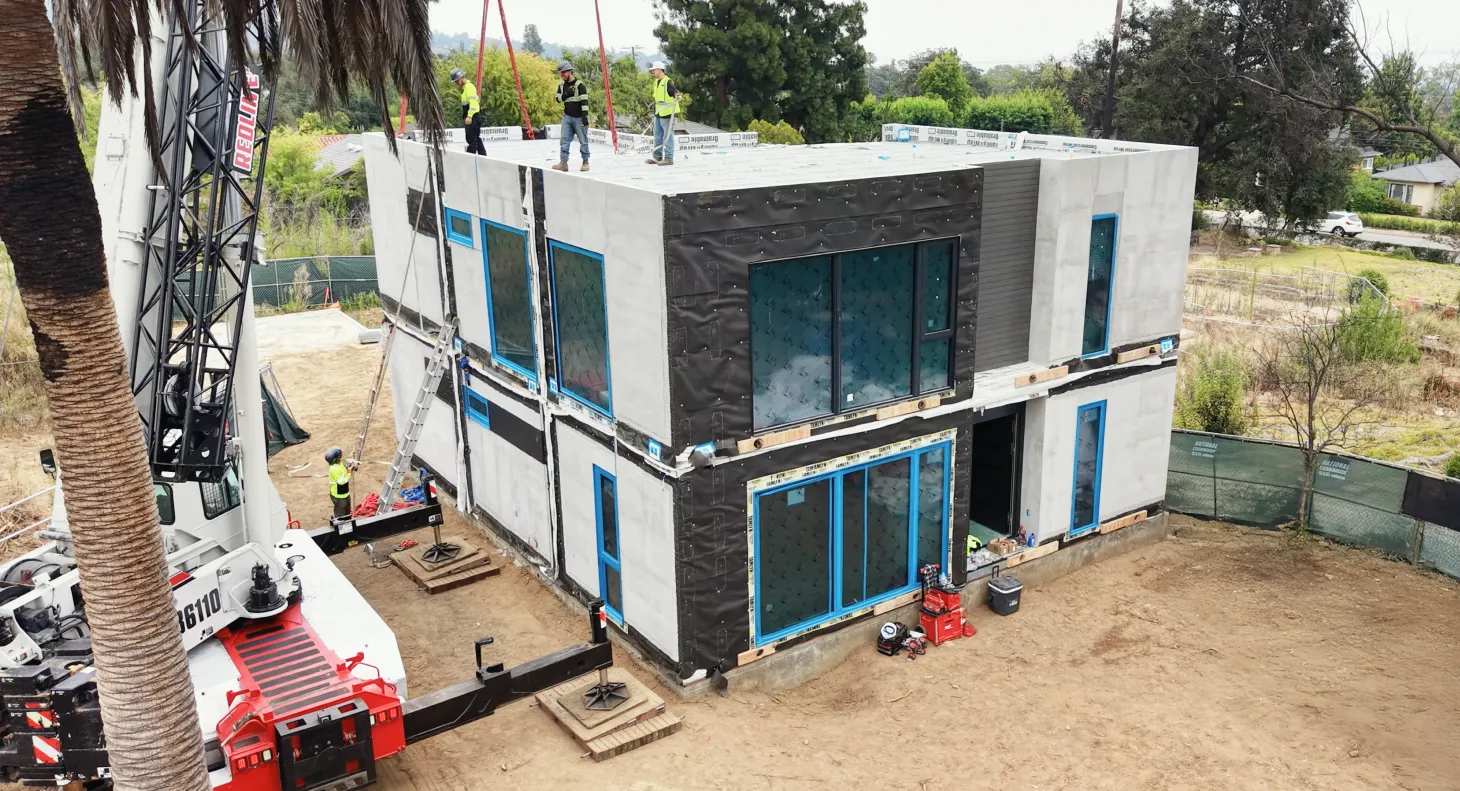
Marin Hillside ADUs: Overcoming Slopes and Fire Codes
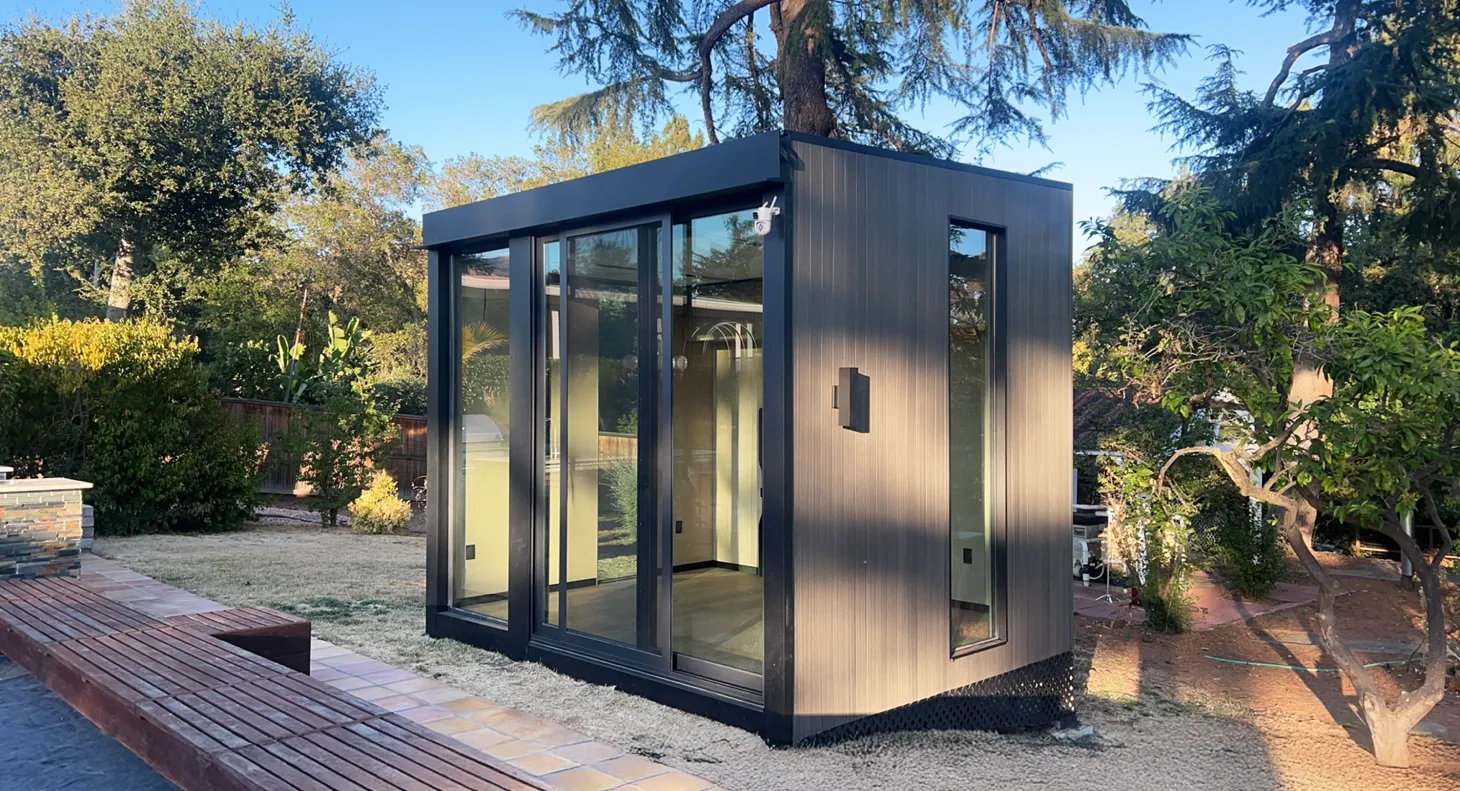
The Capital Play: Permit-Free Pods vs. The Master Suite Remodel
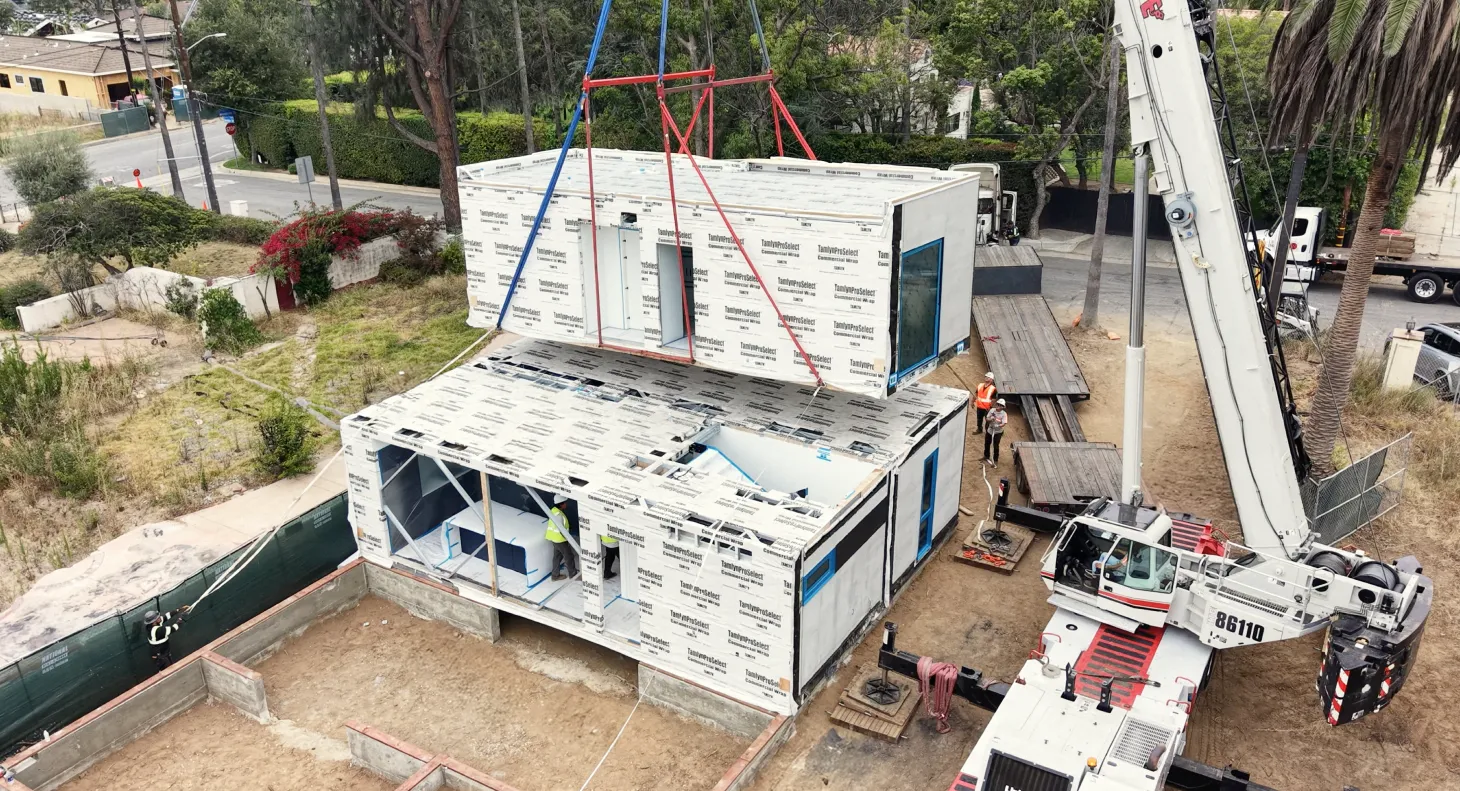
The ADU Pool House: Merging Luxury Guest Suites with LA Outdoor Living
About Us