
Circadian Engineering: How Smart Blue Light Triggers Flow State

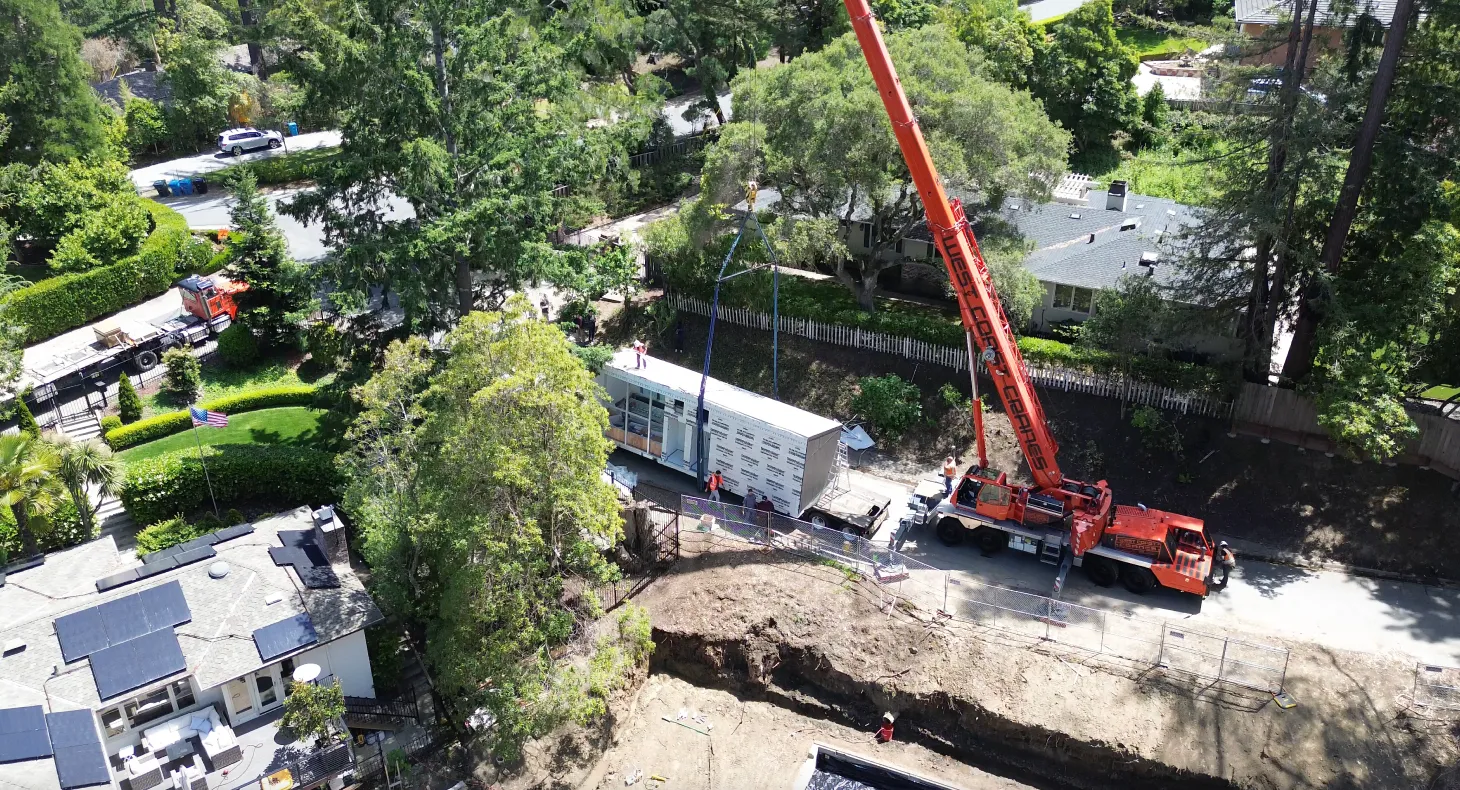
Building ADUs Near Protected Redwoods
In Peninsula communities like Los Gatos, Woodside, Portola Valley, and Saratoga, mature coast redwoods and oak canopies aren’t just landscaping—they are protected natural assets that define property values.
For homeowners wanting to add a prefab ADU or modular home studio, these ancient trees introduce a major municipal hurdle: strict local Tree Protection Ordinances. Traditional site-built construction methods—which rely on heavy soil excavation, deep concrete perimeter footings, and continuous slab pours—sever critical feeder roots within the Tree Protection Zone (TPZ). A single cut root can trigger severe fines, halted permits, or the loss of a historic tree.
At LiveLarge Home, we look at heavily wooded lots through the lens of ecological preservation and industrial precision. This is “Chapter Two” of Peninsula land planning: deploying high-end, factory-built modular ADUs directly alongside mature redwoods while keeping root systems 100% intact and compliant with local canopy rules.
Ecological Engineering: Ground Screws vs. Root Disturbance
A mature redwood’s root system is deceptively shallow, spreading outward across the top 3 to 6 feet of soil to absorb moisture and nutrients. Traditional concrete foundations act like underground dams, crushing root networks and altering natural water drainage.
We eliminate soil disruption through low-impact foundation technology tailored specifically for modular home installations:
Precision Light-Gauge Steel in the Forest
Building inside a dense canopy requires a structural envelope engineered to withstand high humidity, shade, and falling debris without constant maintenance.
Bypassing Discretionary Delay via State HCD Pre-Approvals
Peninsula planning desks in Woodside and Los Gatos are notoriously thorough, particularly when reviewing environmental impact and tree removal requests.
The HCD Streamlining Advantage: Our prefab ADU models carry certified state-level pre-approval from the California Department of Housing and Community Development (HCD). Under California law, state pre-approval forces local municipal desks to review ADU applications ministerially—evaluating them against clear, objective code standards rather than subjective design reviews.
Because state law governs these applications, local planning desks cannot drag your modular ADU project through public hearings or neighborhood appeals as long as your site design respects objective tree protection guidelines (enabled by our low-impact ground screw foundations).
Off-Site Precision Protects the Forest Floor
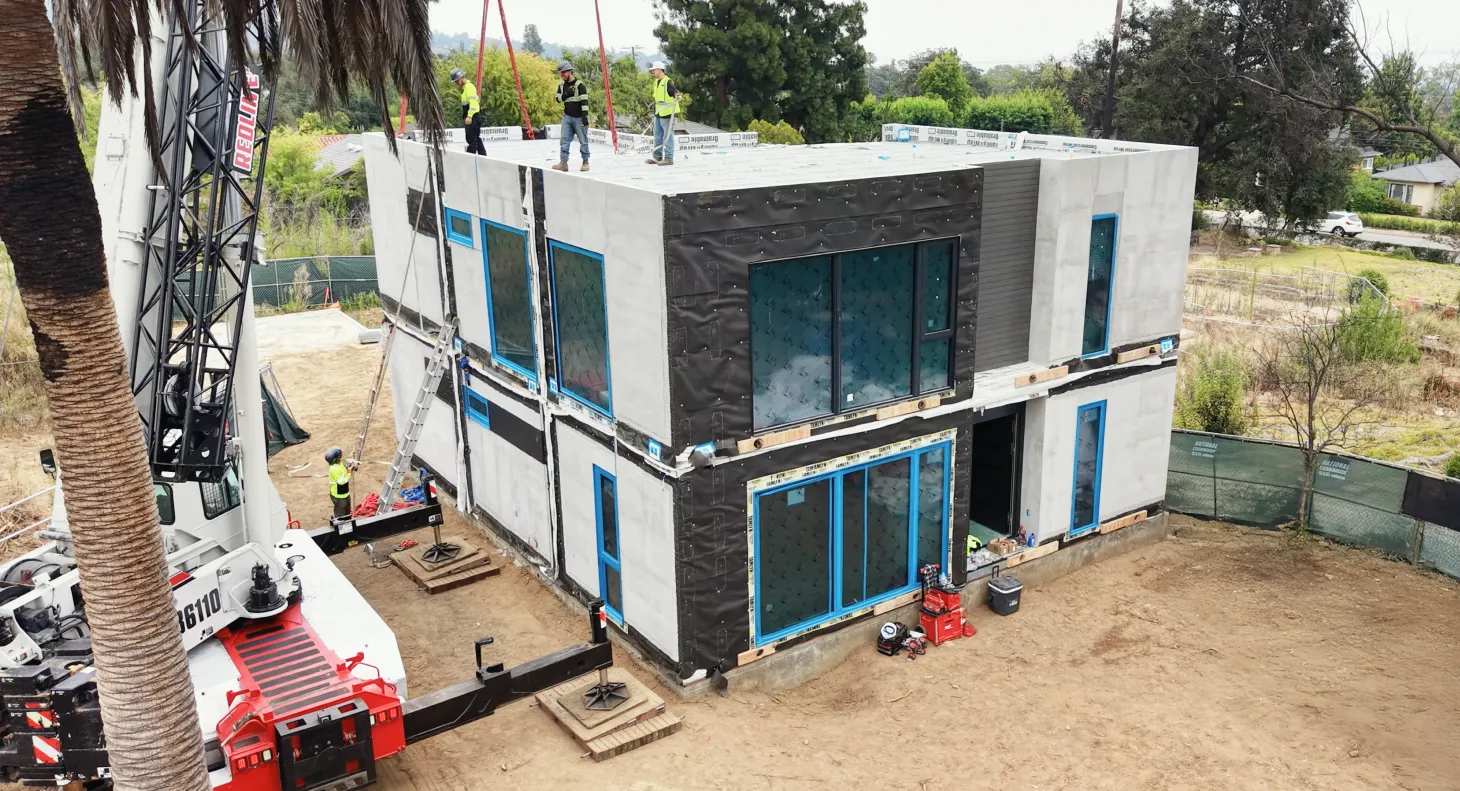
Executing traditional stick-built construction in a wooded Peninsula lot is logistically destructive. Heavy concrete trucks, lumber staging piles, and loose crews tracking through the yard compact sensitive soil and damage low-hanging branches.
By shifting structural framing, insulation, and interior finishing off-site into our clean modular manufacturing facility, we run the build in parallel:
Build Under the Canopy with Absolute Confidence
You don’t have to choose between adding high-value square footage and preserving your property’s majestic trees. Let’s evaluate your lot’s canopy and review our tree-safe prefab ADU foundation engineering.
Book a Free Consultation with our project strategists today to audit your lot’s Tree Protection Zone, review foundation options, and receive a transparent, fixed-cost quote.
Ready to see how a luxury modular ADU sits among your trees? Enter your address into our Check My Lot tool to instantly view real-time property setbacks, map your tree canopy footprint, and visualize your new sanctuary in full.
Discover More
Circadian Engineering: How Smart Blue Light Triggers Flow State
The LA Duplex Strategy: Unlocking SB 1211 ADUs
Marin Hillside ADUs: Overcoming Slopes and Fire Codes
About Us