The Capital Play: Permit-Free Pods vs. The Master Suite Remodel

Why Stick-Built Homes Fail the Shake Test
If you own property anywhere near the East Bay, the Hayward Fault isn’t an abstract concept. It runs directly beneath some of the most valuable real estate in California.
Most homes in Oakland, Berkeley, and Hayward are traditional wood stick-built structures. Wood is an okay material, but it has a built-in flaw: it degrades over time. It warps, twists, shrinks, and rots.
By the time a major seismic event hits, an older wood-framed home has already been structurally compromised by decades of seasonal moisture and settling. When the ground moves, those compromised joints are where the building fails.
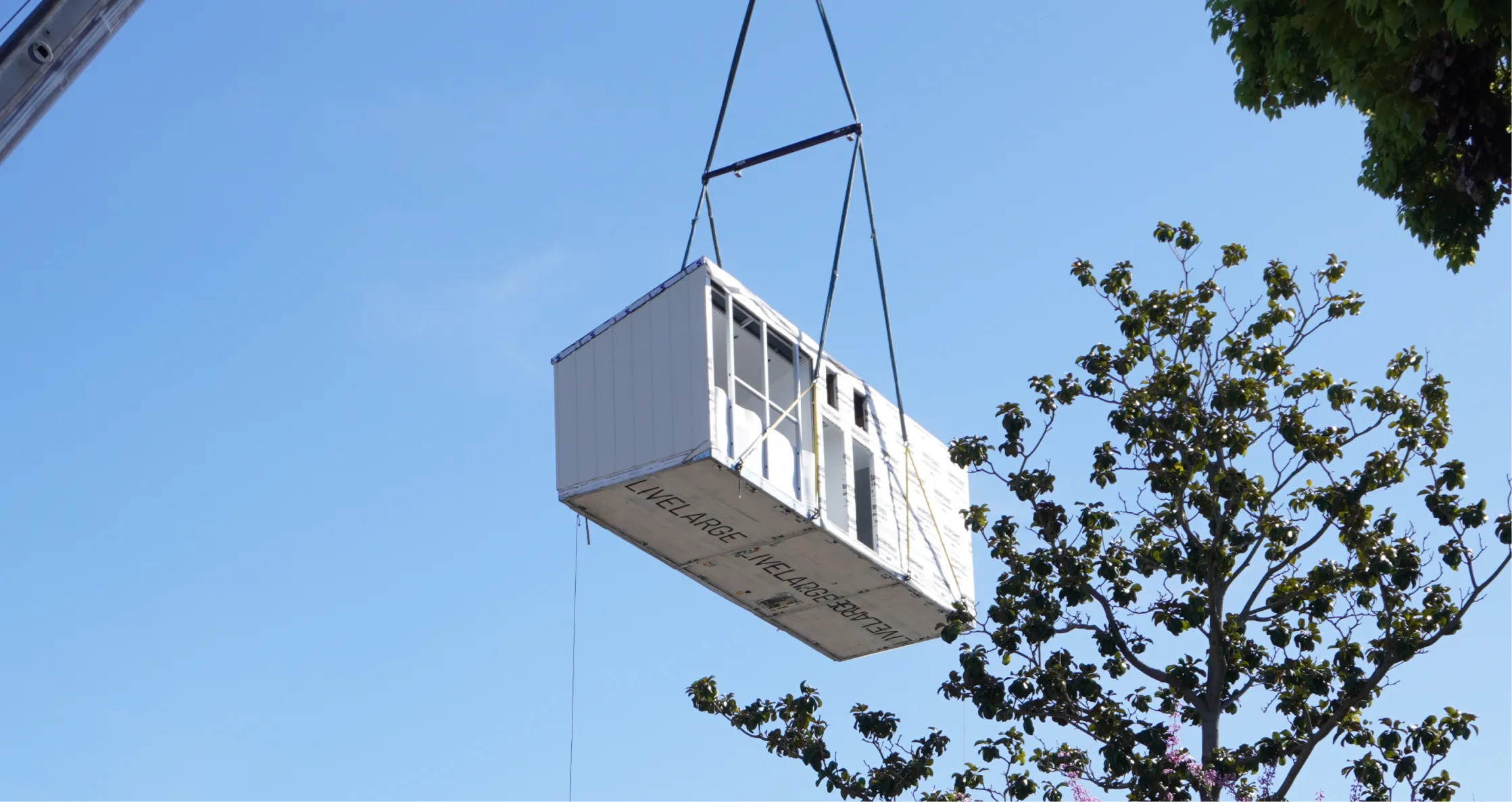
At LiveLarge Home, we don’t rely on a material that changes shape. We engineer our structures using precision light-gauge steel framing to survive the realities of California fault lines.
The Physics of Seismic Resilience: Why Weight Matters
When an earthquake strikes, mass is your enemy. The heavier a building is, the more kinetic energy it absorbs, and the harder the ground shakes it.
Traditional construction relies on heavy timber and thick concrete to create strength. We take the opposite approach—one borrowed from high-tech automotive and aerospace engineering.
We use light-gauge steel framing because of its extraordinary strength-to-weight ratio.
Let’s Talk Precision: Steel Doesn’t Age like Wood
No Warping or Twisting
Wood framing shrinks as it dries out on a wet job site, causing drywall cracks and sticking doors before the homeowner even moves in. Steel remains perfectly straight, completely unaffected by moisture or humidity.
Impervious to Secondary Threats
An earthquake often triggers secondary issues like broken gas lines or pest exposure. Steel is non-combustible and 100% termite-proof. Your structural integrity remains intact even after the shaking stops.
Tight Tolerances
Because our prefab accessory dwelling units are built to millimeter-level tolerances, the building envelope stays completely sealed. This means your triple-paned windows remain perfectly seated and your airtight weather barrier never tears.
The Builder’s Edge: Eliminating “Firefighting” on the Dirt
In traditional construction, achieving seismic compliance requires a massive amount of on-site labor—installing heavy hold-downs, complex shear walls, and custom strapping. If a framing crew cuts a corner or misreads a structural plan on a chaotic, muddy job site, the home’s earthquake resilience is compromised.
We’ve removed that friction entirely.
Because LiveLarge Home structures are manufactured off-site in a controlled factory setting, every single piece of structural steel is engineered into the digital blueprint before we ever break ground. There is no on-site “firefighting” or rushed modifications.
The result is an A-grade, mathematically verified structure delivered directly to your East Bay lot, giving you peace of mind that a standard home addition simply cannot match.
Protect Your Equity on the East Bay
Building a backyard ADU or a new main home is a major investment. In the Bay Area, that investment needs to be built to last for generations—regardless of what happens along the Hayward Fault.
Let’s look at your lot’s specific zoning and seismic requirements.
Book a Bay Area Site Evaluation with LiveLarge Home or visit our showroom to feel the strength of our steel-frame engineering in person.
Discover More
The Capital Play: Permit-Free Pods vs. The Master Suite Remodel
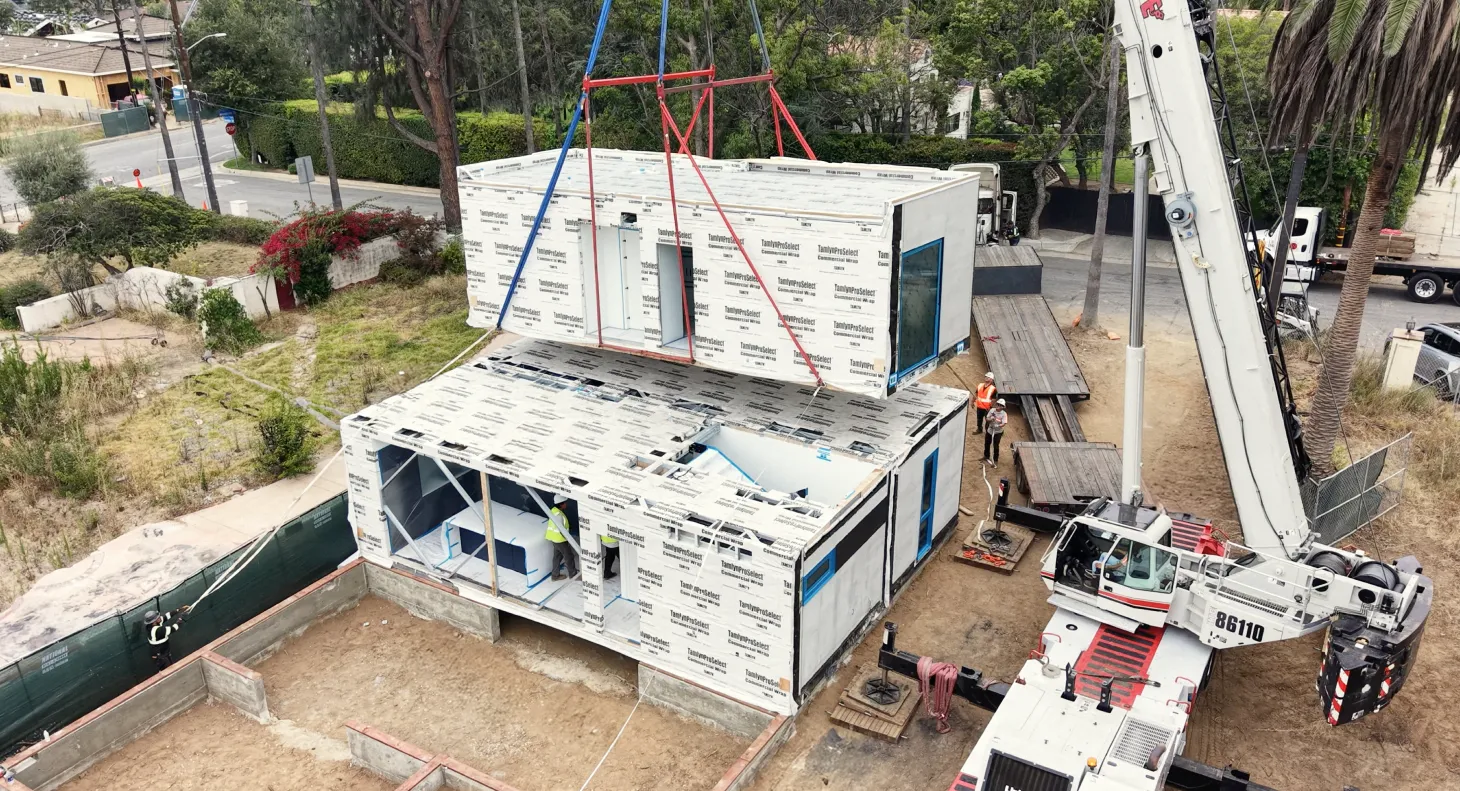
The ADU Pool House: Merging Luxury Guest Suites with LA Outdoor Living
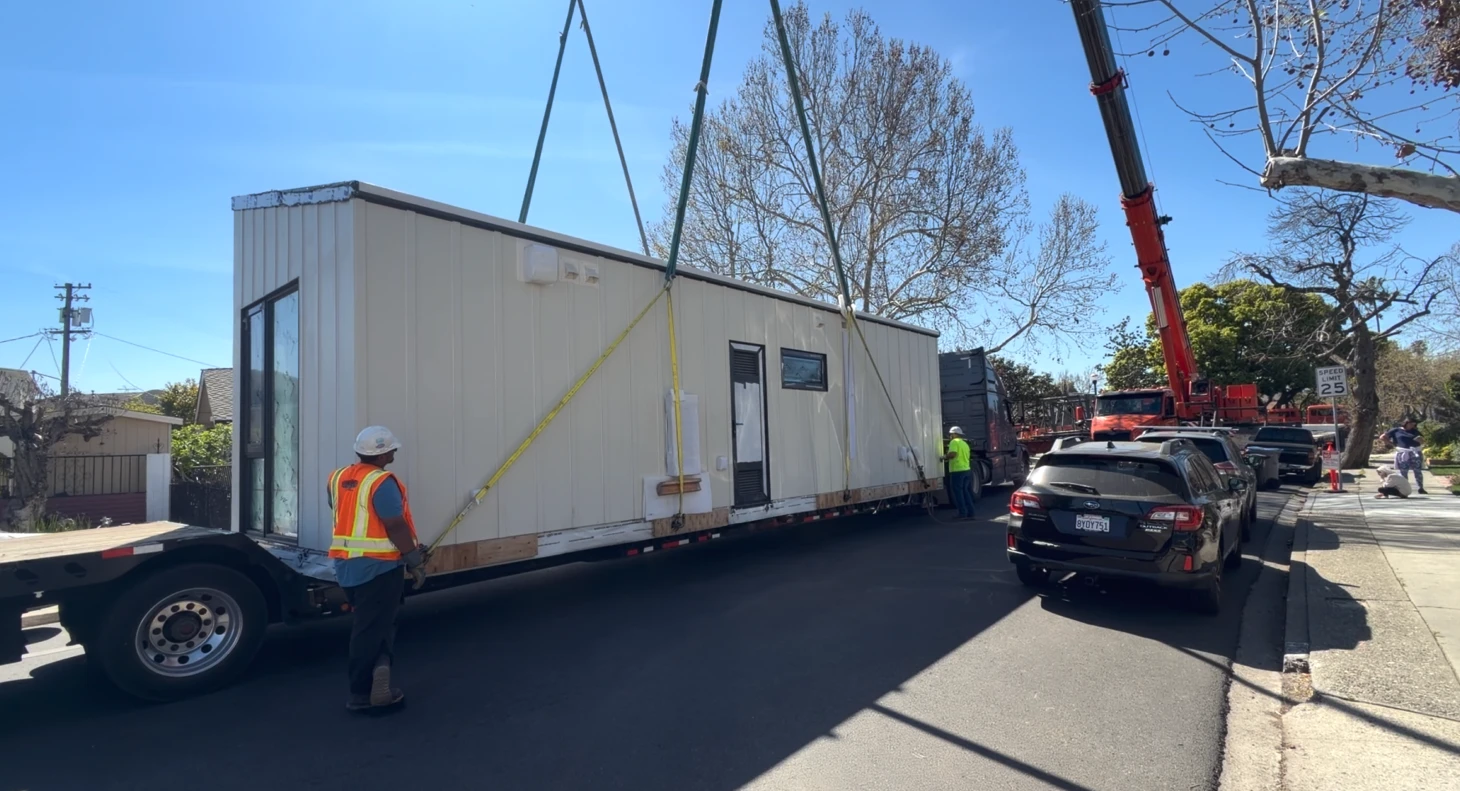
The South Bay Squeeze: Bypassing Astounding Silicon Valley Rents
About Us