Building ADUs Near Protected Redwoods

Navigating HPOZs: How to Build Modern ADUs in Pasadena and Silver Lake
If you own a classic Craftsman in Pasadena, a Spanish Colonial in Silver Lake, or a Victorian in Angelino Heights, you know the dread of local historic oversight. Historic Preservation Overlay Zones (HPOZs) and strict local architectural review boards were created to protect neighborhood character. But for decades, they operated as bureaucratic brick walls—using subjective opinions on rooflines, siding, or window trims to stall backyard builds for years or kill them outright.
As a builder who transitioned from heavy job sites to precision modular manufacturing, I’ve fought these battles. This is “Chapter Two” of real estate development: understanding how to pair the unshakeable legal authority of California state law with industrial-grade exterior customization.
You don’t need to endure an unpredictable, multi-year stick-built project to appease an HPOZ board. You can deploy a modern, high-performance modular unit that honors local historic aesthetics while bypassing subjective local political friction entirely.
The Legal Shield: Objective Standards vs. Subjective Bans
The power balance between historic boards, HOAs, and property owners was permanently rewritten by California state ADU legislation (specifically through the absolute protections of AB 671 and AB 2221).
Here is the exact legal baseline for HPOZ and historic properties in Los Angeles County:
The Architectural Chameleon: Customizing the Exterior Envelope
Satisfying an objective historic review board doesn’t mean compromising on high-tech engineering. It simply means applying a tailored, heritage-compliant outer skin over an advanced, factory-built structural frame.
We engineer our modular homes to act as architectural chameleons:
What to Look For: Educating the Historic Property Owner
When developing a property in a sensitive HPOZ or historic zone, you must audit your builder’s technical execution to prevent regulatory friction.
Why Factory Precision Protects Heritage Neighborhoods
Building a traditional, stick-built addition in a historic LA neighborhood is a nightmare for everyone involved. Months of open framing, staging areas taking up street parking, and loose tool crews operating in tight lot lines draw immediate complaints from neighbors and intense scrutiny from historic boards.
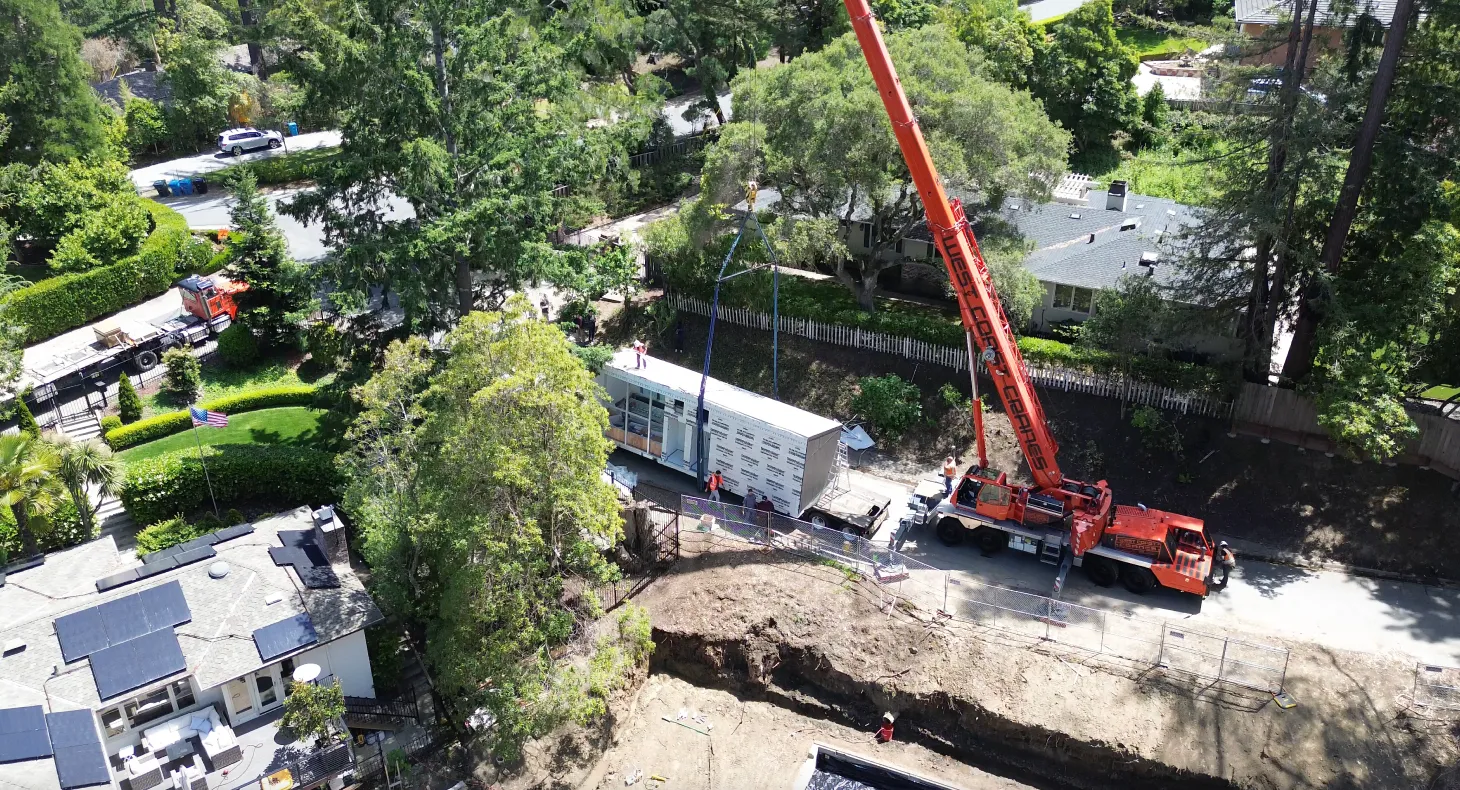
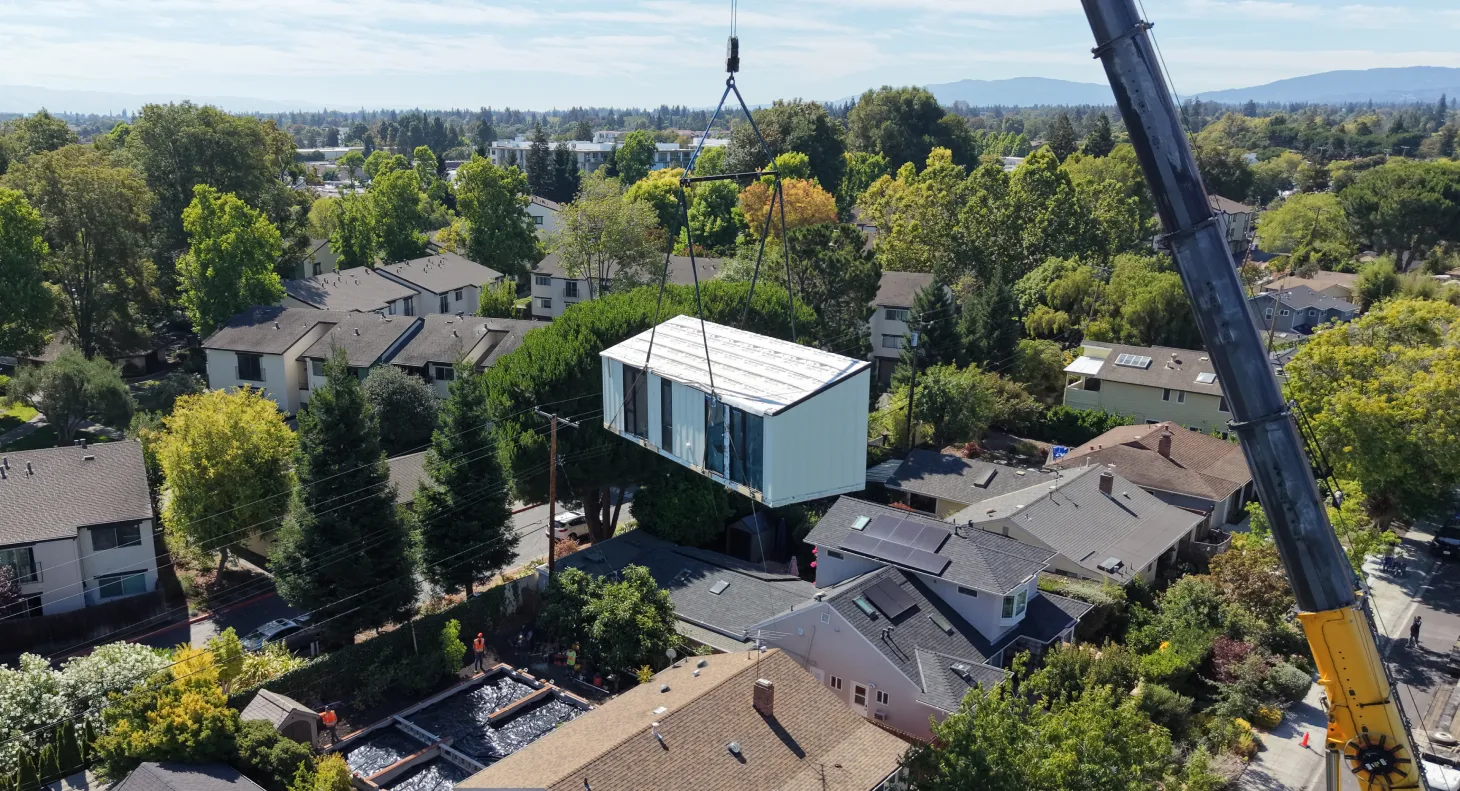
By shifting the structural framing, insulating, and interior finishing off-site into our precision manufacturing plant, we run the process in parallel. While foundation points are prepped on your lot, your unit is built to exact tolerances under factory conditions. The completed unit arrives, gets lifted into place, and is sealed in a fraction of the time. You get an A-grade, architecturally compliant asset with zero neighborhood chaos.
Stop Waiting on the Review Board. Let’s Map Your Design.
Navigating HPOZ guidelines doesn’t have to be a multi-year ordeal. We know how to align state law with your neighborhood’s specific aesthetic requirements to deliver a seamless, high-value build.
Book a Free Consultation with our project strategists today. We will review your neighborhood’s objective HPOZ standards, evaluate your lot layout, and walk you through our customizable exterior finish packages.
Ready to see how a luxury unit sits on your property? Enter your address into our Check My Lot tool to instantly view real-time setback data, map your yard’s footprint, and visualize your new addition in full.
Discover More
Building ADUs Near Protected Redwoods
Circadian Engineering: How Smart Blue Light Triggers Flow State
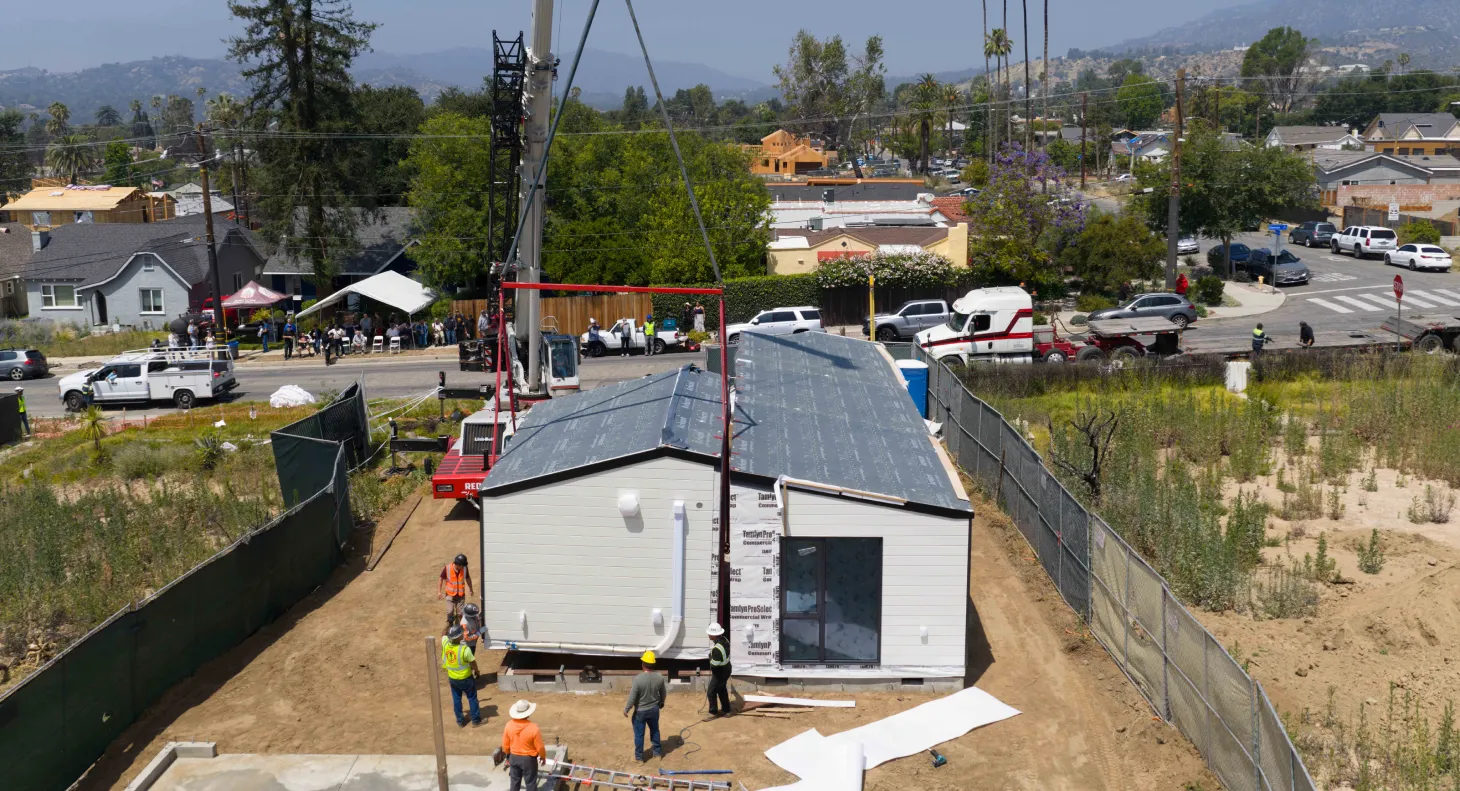
The LA Duplex Strategy: Unlocking SB 1211 ADUs
About Us