Building ADUs Near Protected Redwoods

Defending Against the Marine Layer: Precision Prefab Engineering for Santa Monica and the South Bay
If you own real estate along the coast in Santa Monica, Venice, Manhattan Beach, or Hermosa, you know that the SoCal marine layer isn’t just a picturesque morning haze. It’s a dense blanket of damp, salt-laden fog that operates like a continuous, low-grade chemical assault on your home.
The traditional path to adding a secondary unit or backyard retreat—what I call “Chapter One” construction—routinely gets eaten alive in these coastal pockets. Standard wood-frame construction absorbs ambient dampness like a sponge. Within a few seasons, traditional timber frames begin to swell and twist, paint bubbles, drywall joints crack, and homeowners find themselves trapped in an endless cycle of repainting, structural rot repair, and pest control for wood-boring termites that thrive in the damp air.
At LiveLarge Home, we look at coastal real estate through the lens of industrial material science. This is “Chapter Two.” We don’t try to paint over the salt and moisture problem; we engineer it out of existence at the factory level.
The Steel Backbone: Zero Rot, Zero Warping, Zero Termites
In the damp, salt-heavy atmosphere of the South Bay and Westside, wood is an inherently unstable structural material. As it breathes in the daily ocean fog, it expands, contracts, and twists, destroying the structural seals of your building envelope.
We replaced vulnerable lumber framing with an industrial alternative built for survival:
Defending the Envelope: Fiber Cement and Thermal Seals
A coastal addition is only as durable as its outer skin. Traditional wood or composite siding splits, fades, and absorbs moisture when battered by ocean winds. We deploy a multi-layered defense specifically chosen to survive salt air.
What to Look For: Educating the Coastal Homeowner
When investing in a high-end secondary unit or standalone home on high-value LA coastal dirt, you must audit the technical specifications for long-term material survival.
Why the Manufacturing Mindset Wins the Coastal War
Executing traditional stick-built construction in tight Westside or South Bay lots introduces extreme friction. Narrow streets, tight setbacks, and parking restrictions turn job sites into multi-month logistics nightmares, while open framing sits exposed to marine weather.
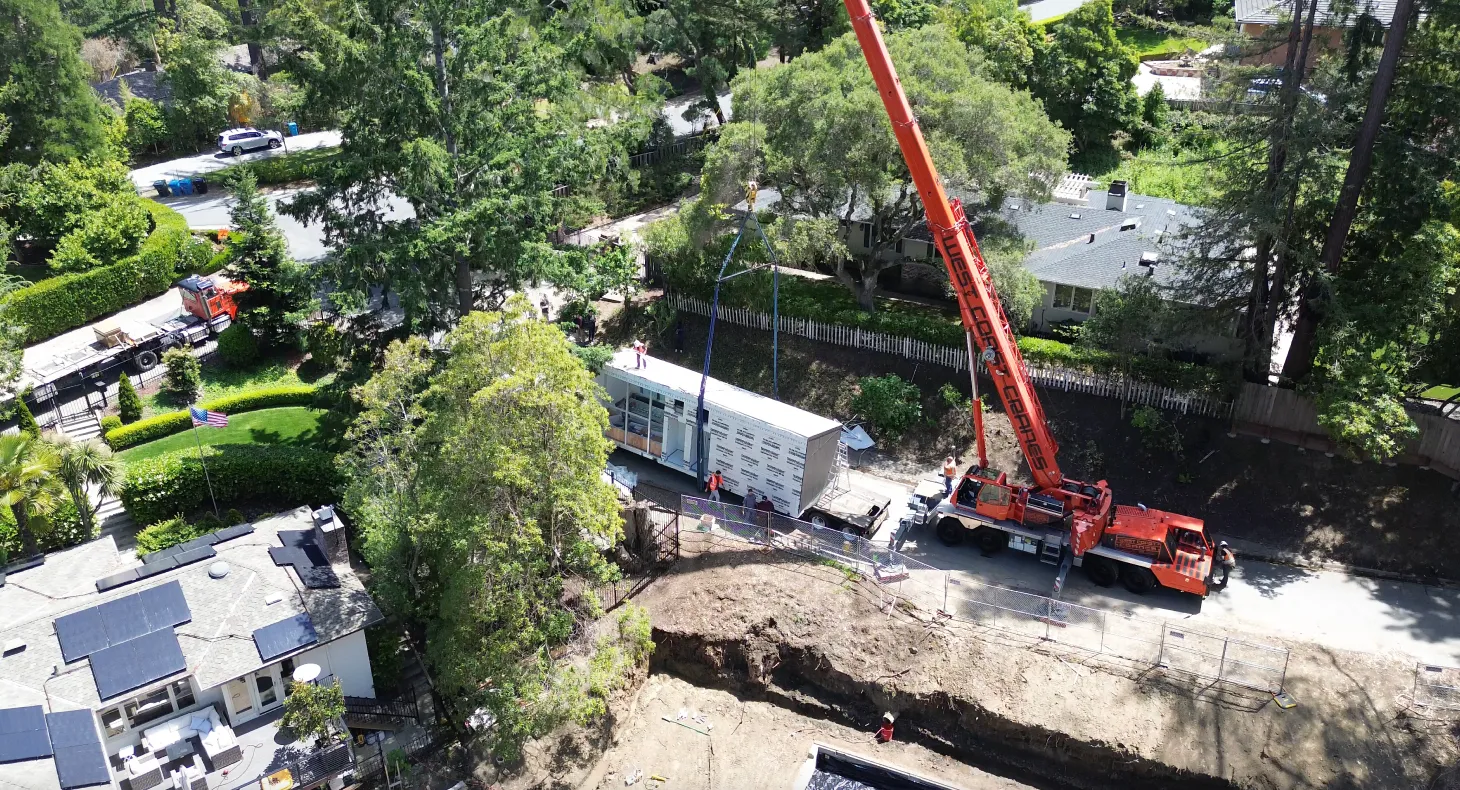
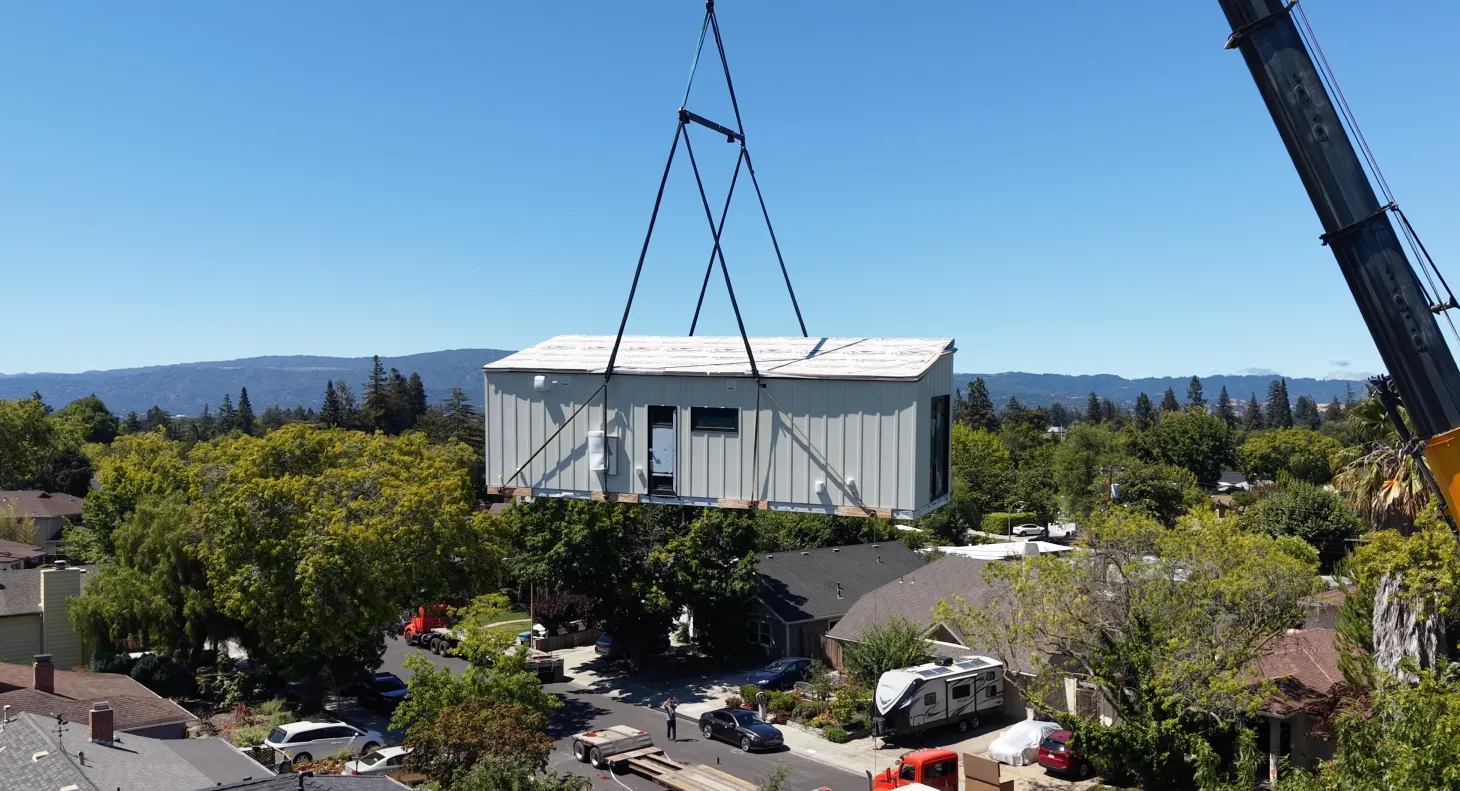
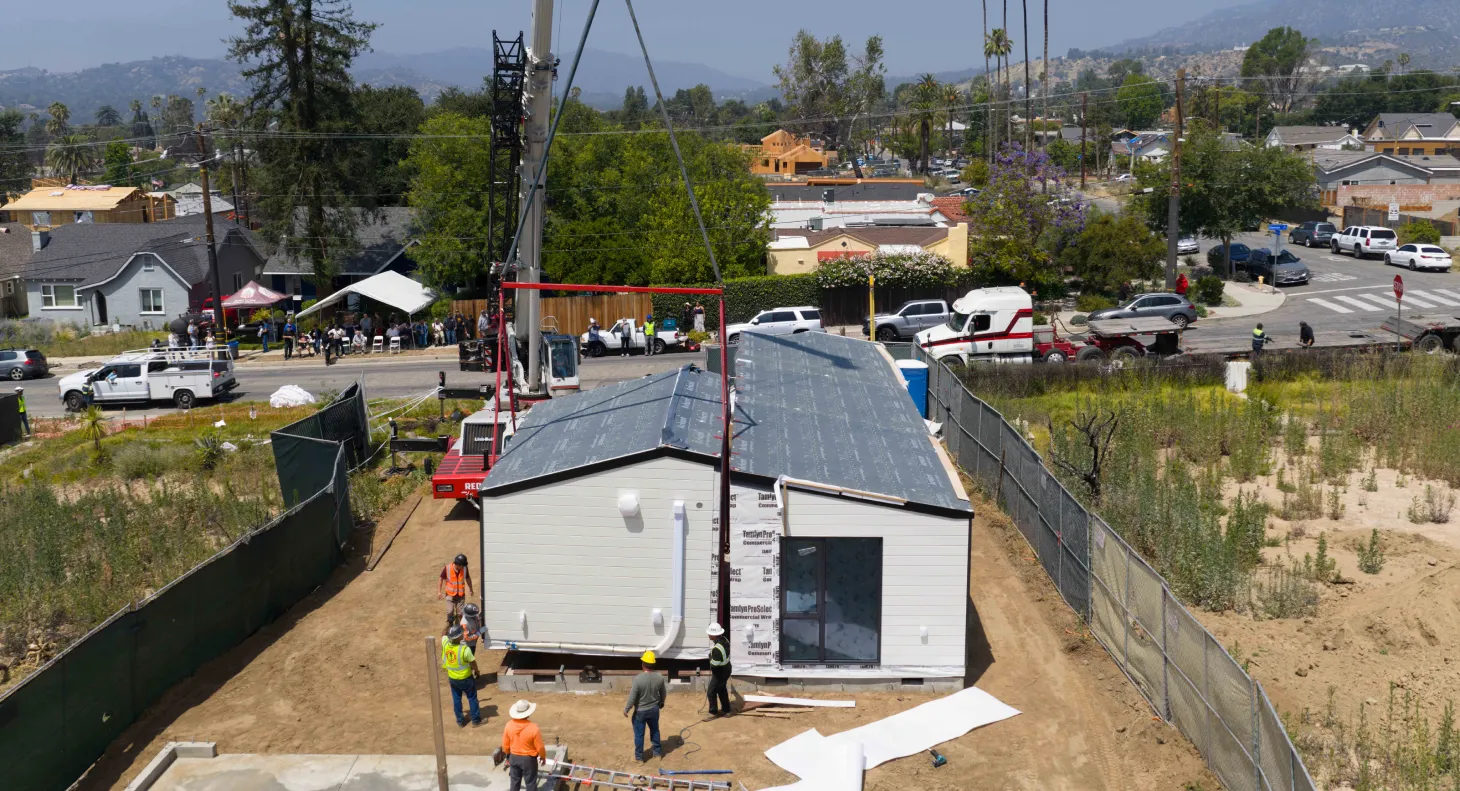
By shifting the heavy framing, insulating, and finishing off-site into our precision manufacturing plant, we run the process in parallel. While foundation points are installed on your lot, your unit is built to exact tolerances under factory conditions. The finished module arrives pre-wired and pre-plumbed, getting craned into place and sealed in a fraction of the time. You get an A-grade asset with zero job site chaos.
Stop Fighting the Elements. Engineer Against Them.
The coastal climate will test your property every single day, but your new space shouldn’t be a source of constant maintenance anxiety.
Book a Free Consultation with our project strategists today to explore our coastal-engineered layouts, review material options, and lock in a transparent, fixed-cost quote for your lot.
Ready to see how a luxury modular unit fits on your property? Enter your address into our Check My Lot tool to instantly map your yard’s real-time setbacks, view model placements, and visualize your coastal sanctuary in full.
Discover More
Building ADUs Near Protected Redwoods
Circadian Engineering: How Smart Blue Light Triggers Flow State
The LA Duplex Strategy: Unlocking SB 1211 ADUs
About Us