Building ADUs Near Protected Redwoods

California’s First ADU Condo Sale Is History in the Making
The playbook for California real estate just fundamentally shifted.
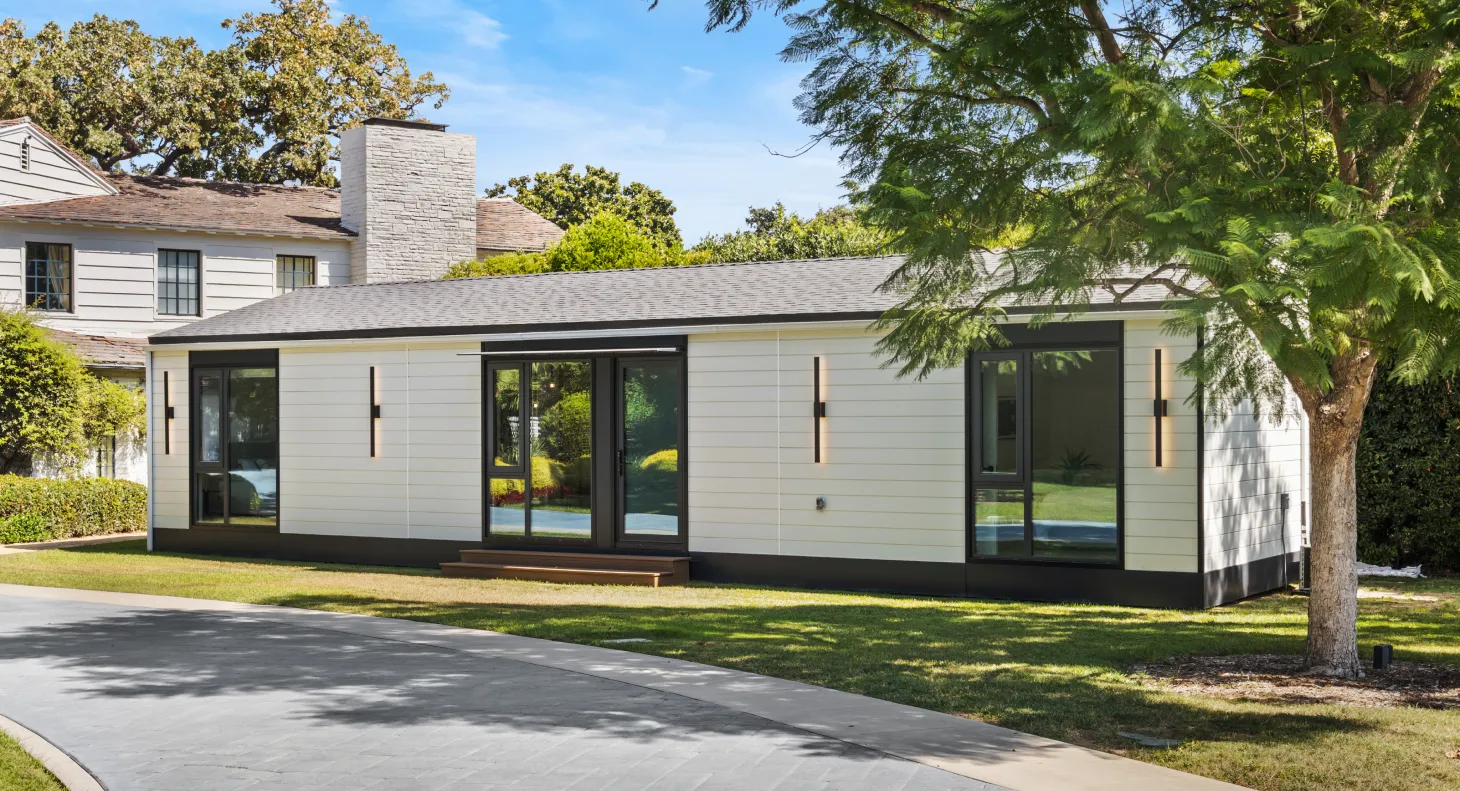
History was made in San José when a 749-square-foot, two-bedroom accessory dwelling unit (ADU) closed escrow for $530,000. As reported by ABC7 San Francisco, it wasn’t just another backyard rental—it was the first ADU in California history to be sold completely separately from the main property as a standalone condominium.
For years, building an ADU meant adding value to your property that you could only extract through monthly rent or a future full-property sale.
Not anymore. Thanks to innovative policy, California property owners can now build a premium backyard home, split the legal structure, and cash out by selling the unit as an independent starter home. According to the official City of San José news release, this milestone marks a true proof-of-concept for small, ground-up starter homes targeting working families who have been priced out of traditional homeownership.
At LiveLarge Home, we don’t just watch these market shifts—we engineer the high-performance homes designed to maximize them.
What Is AB 1033? The Legal Loophole Property Owners Need to Know
To capitalize on this new real estate frontier, you have to understand the mechanism driving it.
The Condoization Framework
Passed as Assembly Bill 1033 (AB 1033), this state legislation allows California cities to adopt ordinances that permit ADUs to be sold as independent condominiums. San José pioneered the rollout, and more municipalities across the state are following suit.
Standalone Autonomy
Unlike a traditional condo packed into a massive complex, an AB 1033 ADU operates like a single-family home. The landmark San José unit proved the concept: it features completely separate water and electrical utilities, its own exterior main entry, private parking, and zero shared walls with neighbors.
Zero HOA Baggage
Because these layouts are completely detached, developers can structure them to bypass traditional, bloated Homeowner Association (HOA) fees entirely, making them incredibly attractive to buyers who want affordable housing without ongoing corporate overhead.
Why “Builder Friction” Kills Condo Conversions (And How We Fixed It)
If you attempt to build a detached condo using traditional stick-built construction, you are walking into a logistical buzzsaw.
Condo conversions require flawless execution. Because the utilities must be completely separate from the main residence, any mistake on the job site—like misrouted plumbing or a poorly sealed utility trench—can stall your municipal sign-offs for months. If your framing crew leaves the structure exposed to the elements, wood warps, dimensions shift, and you fail the rigorous structural inspections required for a separate deed.
At LiveLarge Home, we apply high-tech manufacturing precision to eliminate this field-level firefighting entirely.
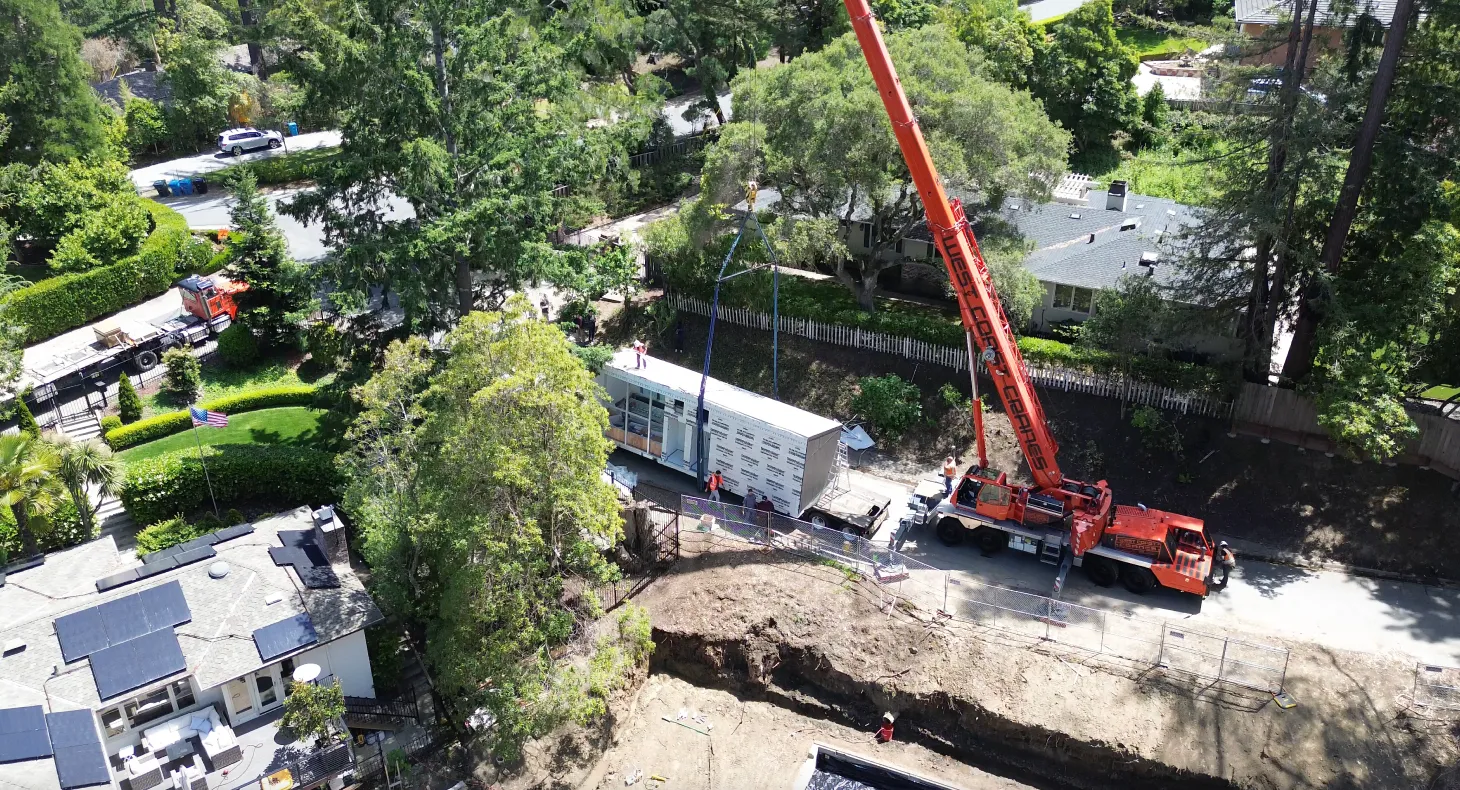
We construct our premium units off-site inside a climate-controlled factory, building down to the millimeter. While your property undergoes site prep and utility routing, your actual physical asset is engineered concurrently.
Our light-gauge steel frames remain perfectly straight, ensuring that the airtight building envelope, energy-efficient mechanical pathways, and heavy triple-paned windows match the digital blueprint perfectly. You get an A-grade, mathematically verified asset delivered to your property, allowing you to bypass construction delays and move straight to the payout.
Capitalize on the New Housing Frontier
The San José proof-of-concept proved there is an insatiable demand for small, high-end, ground-up starter homes. If you own a lot in a city utilizing AB 1033, you are sitting on liquid equity.
Let’s look at your property’s zoning, footprint, and utility layout to see if it qualifies for a high-yield condo conversion.
Book a Preliminary Site Evaluation with LiveLarge Home or visit our showroom today to experience the precision build quality that turns backyards into standalone real estate portfolios.
Discover More
Building ADUs Near Protected Redwoods
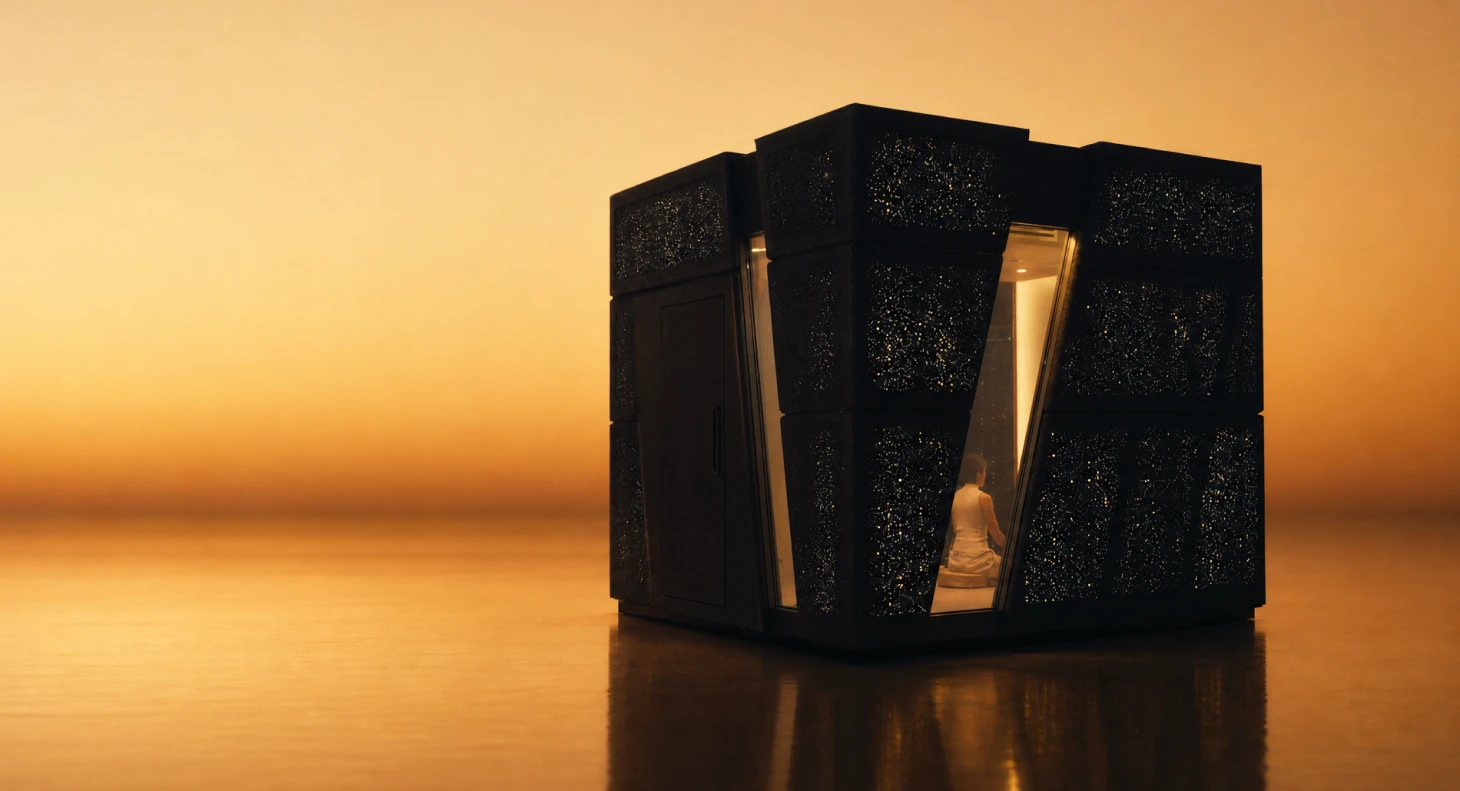
Circadian Engineering: How Smart Blue Light Triggers Flow State
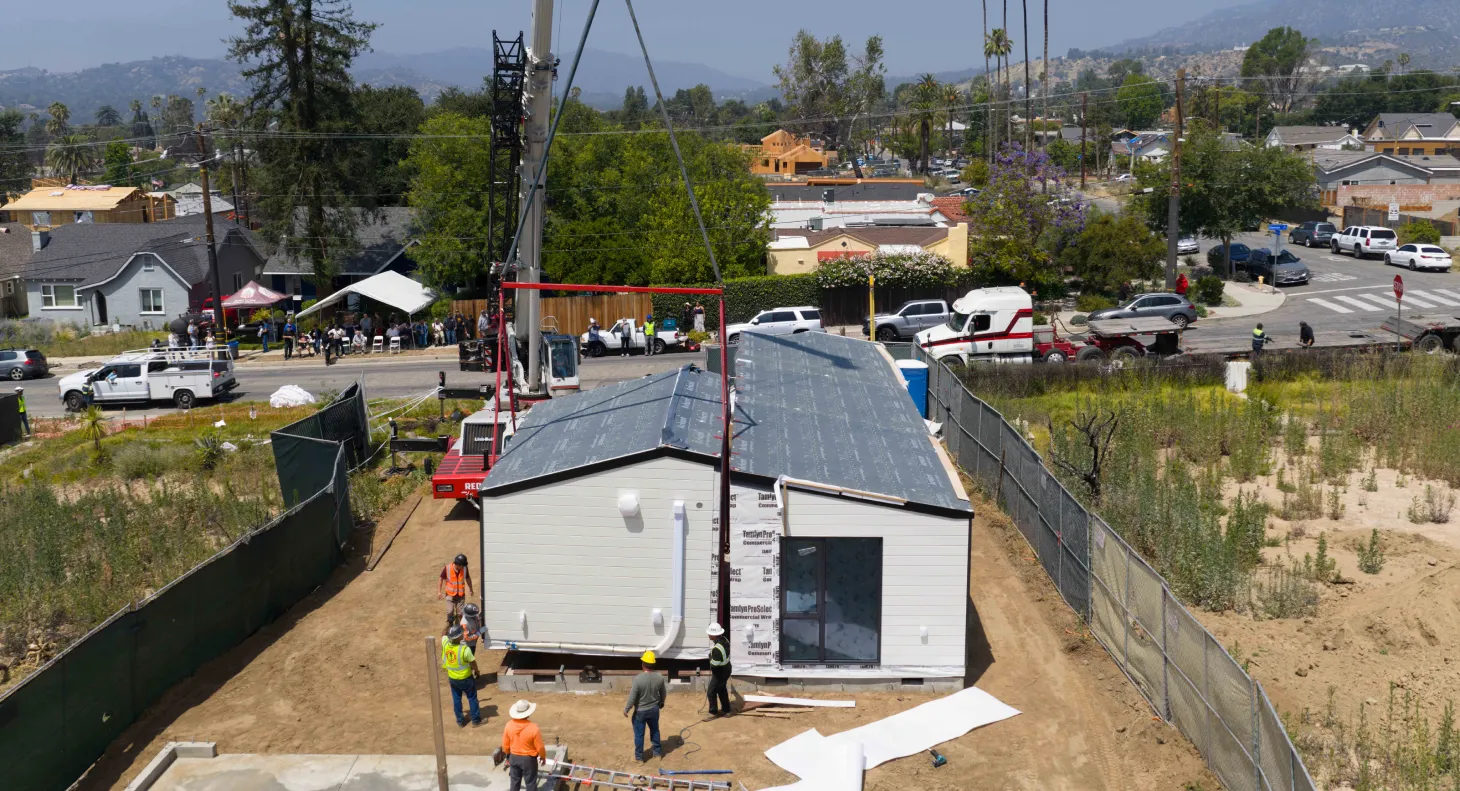
The LA Duplex Strategy: Unlocking SB 1211 ADUs
About Us