Building ADUs Near Protected Redwoods

The BART & Caltrain Commuter Loophole: Turning Transit Proximity Into Pure Rental Yield
If you tell a traditional stick-builder in the Bay Area that you want to add a 2-bedroom rental unit to your backyard, their first question won’t be about your budget or your electrical panel. It will be about cars. “Where are you going to put the parking spaces?”
For decades, municipal parking mandates have been the ultimate buzzkill for backyard development. Local zoning codes routinely required homeowners to pave over their lawns, sacrifice garden space, or build costly new carports just to satisfy off-street parking rules. In high-density, high-value Bay Area neighborhoods, losing half your yard to a concrete parking pad makes a project dead on arrival.
But as a builder who looks at urban density through the lens of industrial efficiency, I have some major news: If you live near a major transit corridor, the car rules completely vanish. Welcome to “Chapter Two” of real estate leverage—where a powerful California state loophole removes local parking mandates entirely, allowing you to maximize every square foot of your land for pure rental income.
The 0.5-Mile Transit Loophole Explained
The relationship between transit and residential zoning was completely re-engineered by California state legislation (including the absolute protections outlined in the State HCD ADU framework and transit-density mandates like AB 2097).
Here is the exact rule: If your property lines sit within a one-half mile (0.5 miles) walking distance of public transit, local cities are legally barred from imposing any minimum automobile parking requirements on your ADU.
Let’s define exactly what qualifies as “public transit” under this state-level exemption:
Engineering the Ultimate Mid-Week Tech Pad: The L-795 Strategy
When you remove the spatial requirement for asphalt and cars, you free up massive amounts of underutilized dirt. Instead of squeezing a cramped, low-ceiling studio into your yard because a parking space took up the rest of the footprint, you can deploy a full-sized, luxury income stream.
This is where the LiveLarge L-795 model becomes a highly strategic investment. Coming in at just under 800 square feet, this precision-engineered 2-bedroom footprint is optimized to target the highest-paying rental demographic in Northern California: the hybrid tech commuter.
Why the Manufacturing Mindset Wins the Transit Loophole
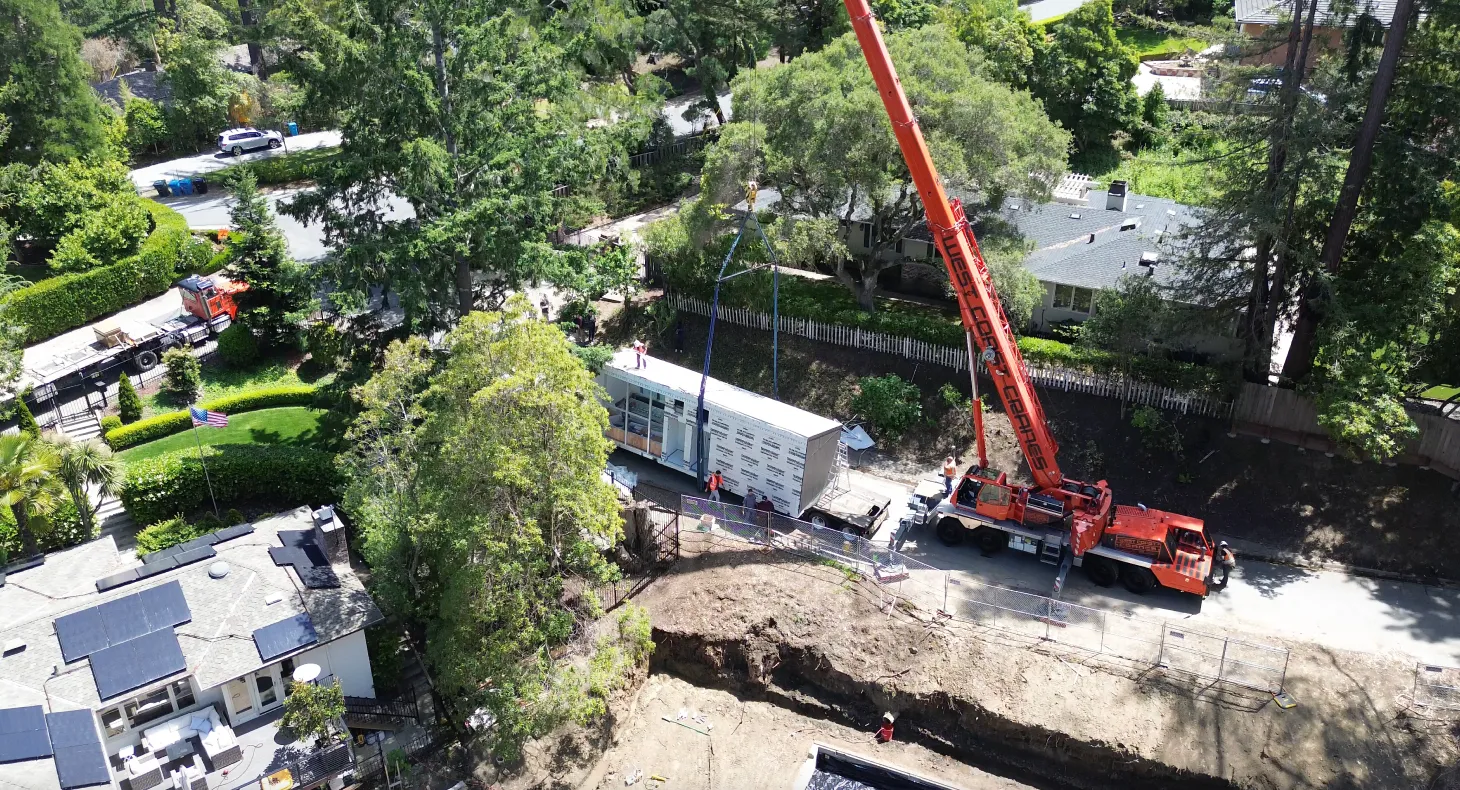
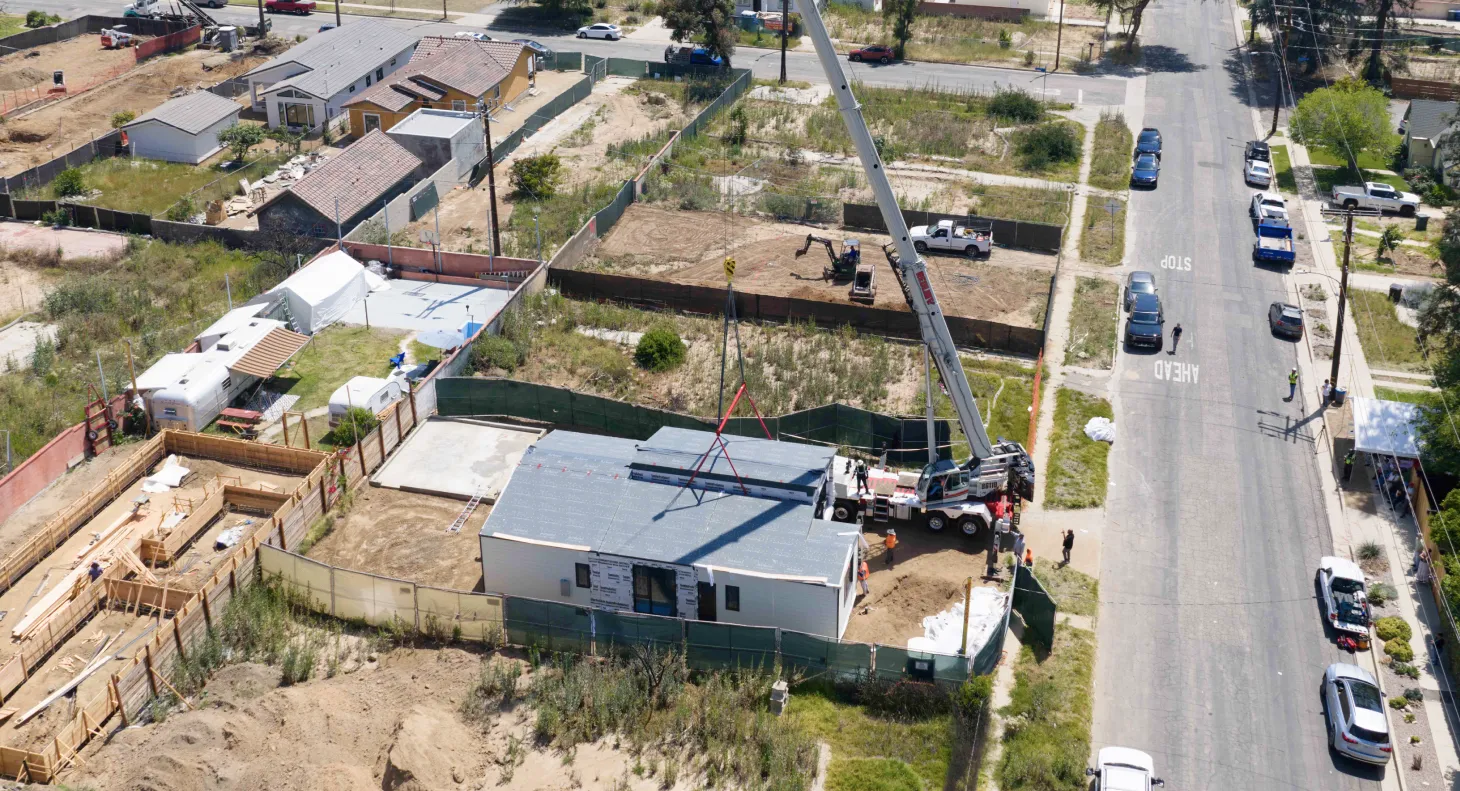
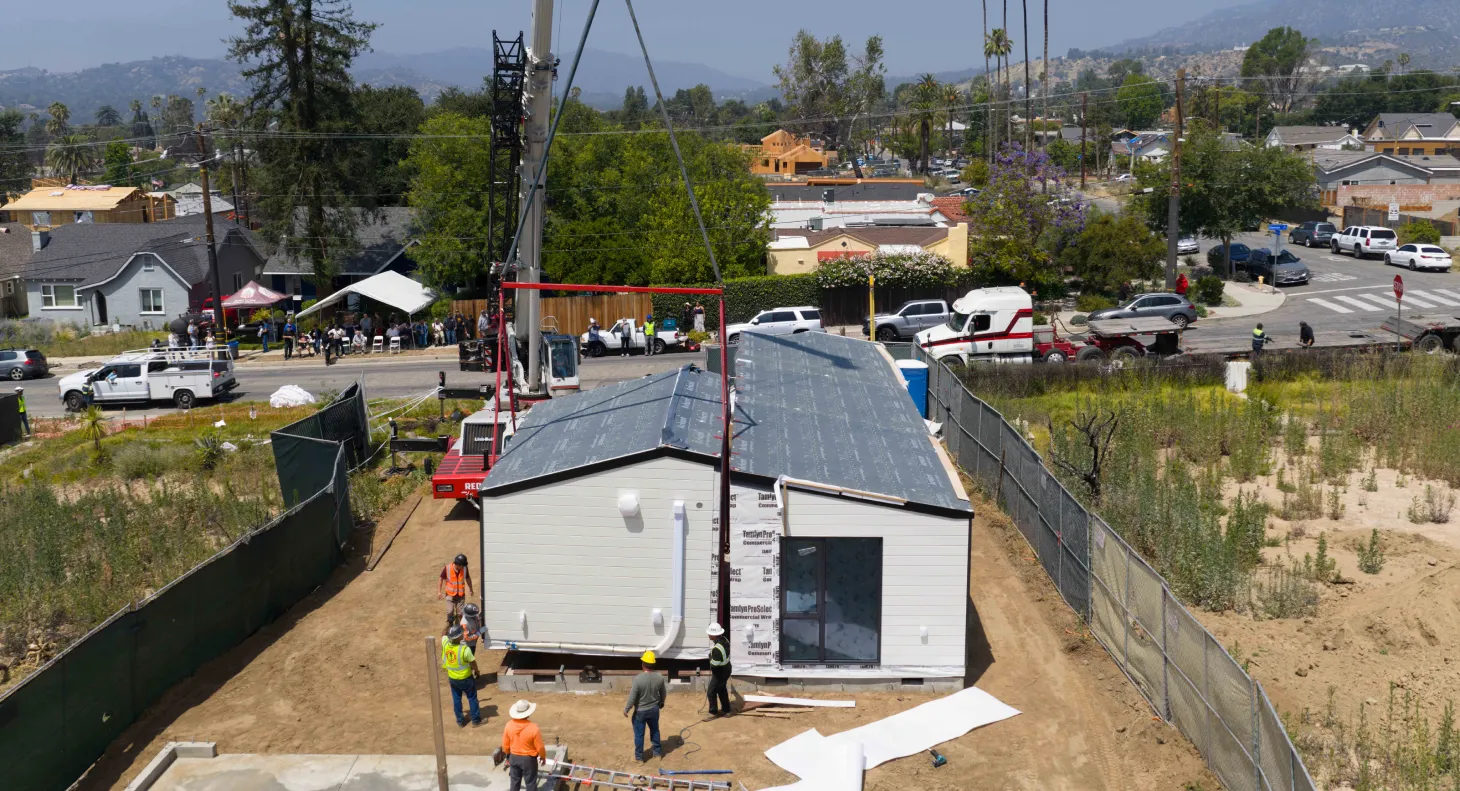
Building a traditional stick-built home in tight, urban, transit-adjacent neighborhoods is a logistical nightmare. Parking is already scarce, meaning a contractor’s trucks, loose material piles, and dumpsters will block narrow streets, triggering immediate complaints from neighbors and intense scrutiny from city code enforcement.
The LiveLarge Turnkey Advantage:
What to Look For: Maximizing Your Transit Footprint
When you are optimizing a transit-adjacent lot for maximum financial return, don’t build to the lowest common denominator.
Stop Guessing About Your Radius. Let Us Map It.
You don’t need to break out a map wheel or argue with a city planning desk to find out if your property qualifies for the state transit exemption. We’ve already done the heavy lifting.
Book a Free Consultation with our project strategists. We will verify your property’s exact walking distance to the nearest qualifying BART or Caltrain stop, evaluate your utility capacity, and give you a clear, straight-talk asset roadmap.
Ready to see the visual layout right now? Enter your address into our Check My Lot tool. Our software automatically cross-references local geographical data to show you exactly how our luxury models fit within your property lines in real time.
Discover More
Building ADUs Near Protected Redwoods

Circadian Engineering: How Smart Blue Light Triggers Flow State
The LA Duplex Strategy: Unlocking SB 1211 ADUs
About Us