Why LiveLarge in 2026?

Why More Homeowners Are Choosing LiveLarge ADUs in 2026
If you’ve been researching prefab ADUs in California, you’ve probably seen a long list of companies offering sleek designs, fast timelines, and “turnkey” delivery.
But when homeowners actually move forward with a project, the decision usually comes down to something much simpler:
Who do I trust to actually deliver this—on time, on budget, and at a quality level that holds up 10+ years from now?
That’s where LiveLarge has quietly started to stand out.
Not because of hype.
Because of how the product is built—and how the process actually works in the real world.
What Makes LiveLarge Different From Other Prefab ADU Companies
Most prefab ADU companies in California sell the idea of simplicity.
LiveLarge focuses on delivering it.
Here’s what that looks like in practice:
1. Built Like a Real Home, Not a Kit
LiveLarge units use light-gauge steel framing, not wood.
That means:
These aren’t temporary structures or “backyard pods.”
They’re designed to be permanent, appreciating square footage under California HCD standards.
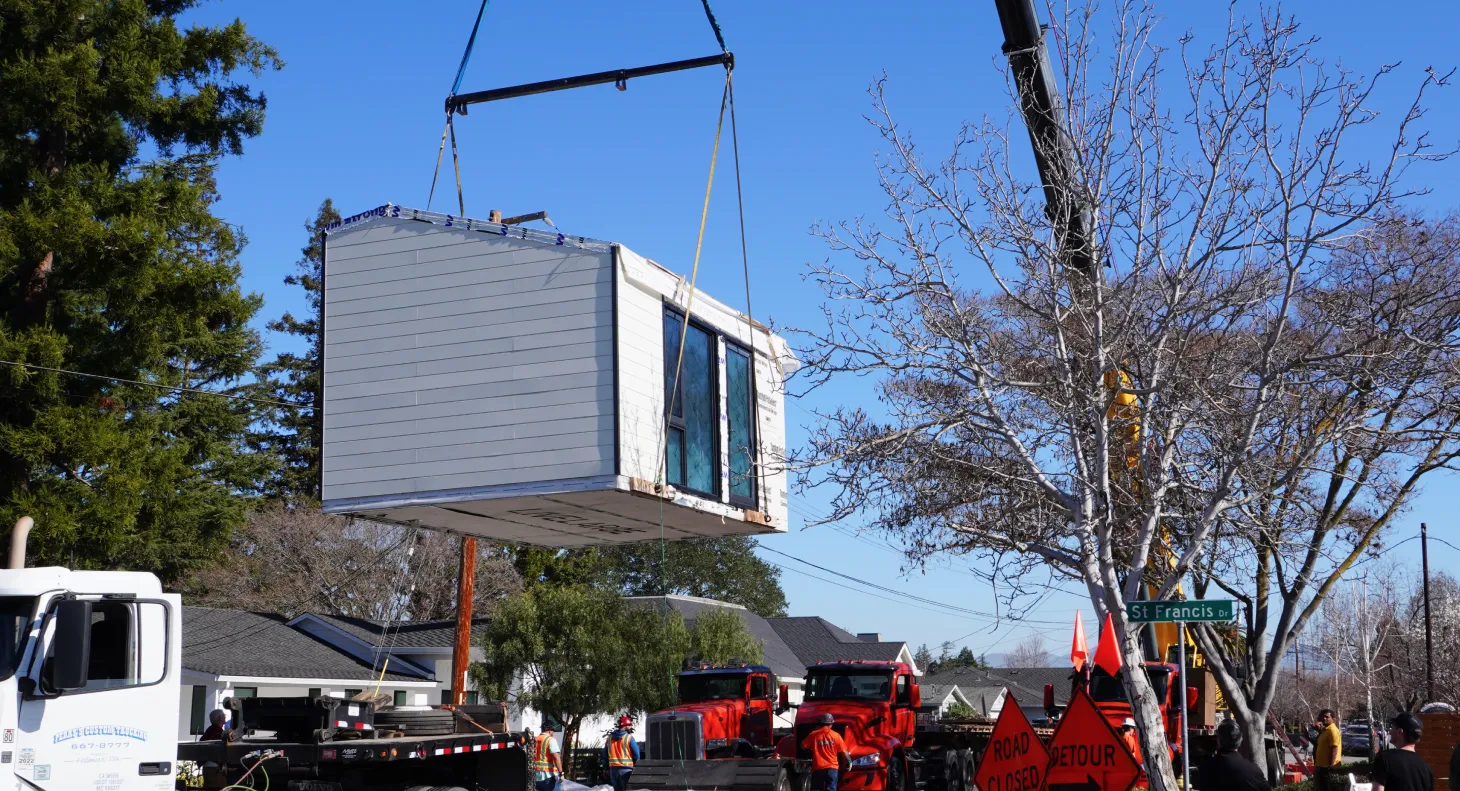
2. Factory Precision + On-Site Expertise
A lot of prefab companies lean too far one way:
LiveLarge bridges both:
This hybrid model is what allows:
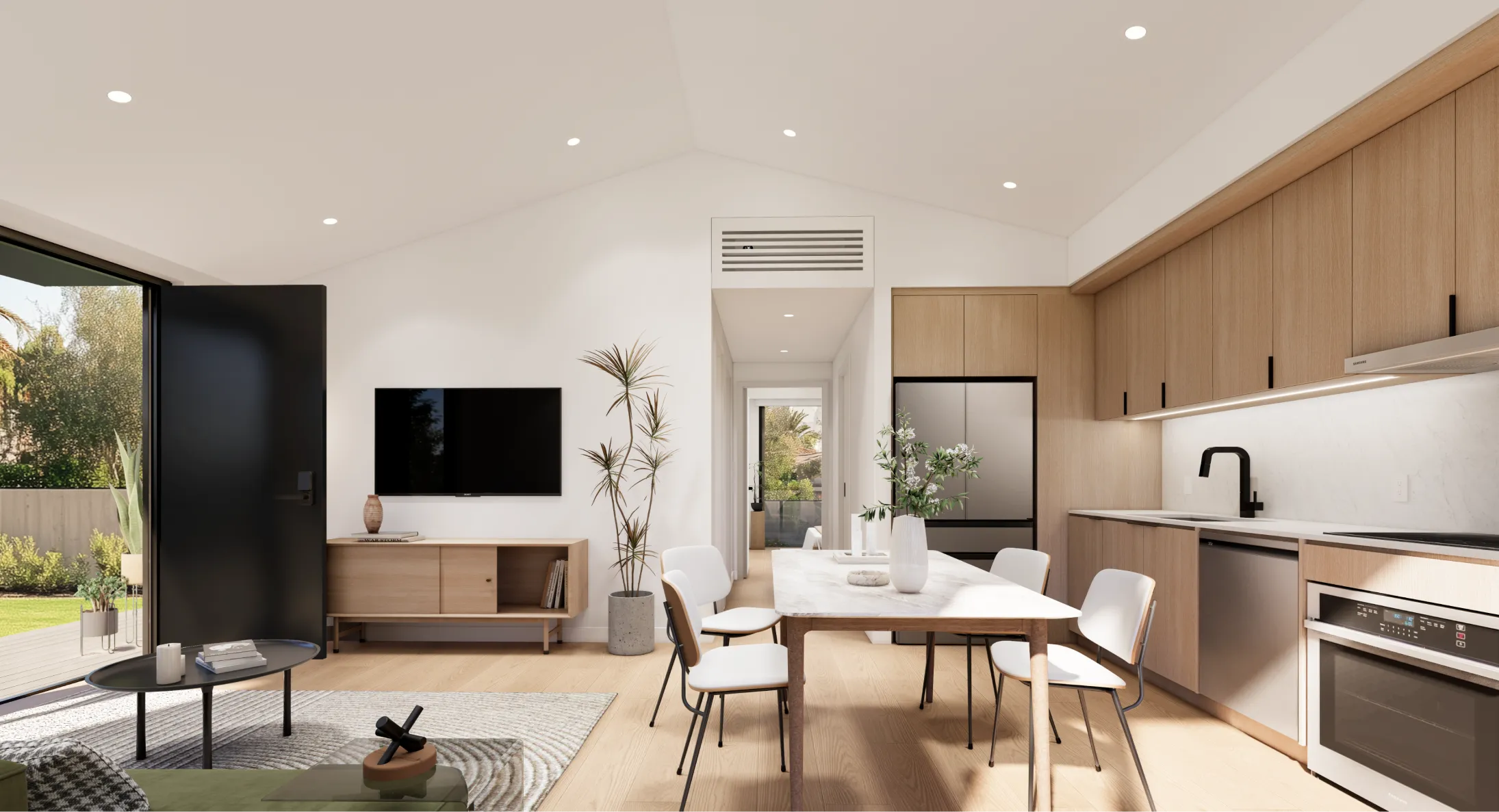
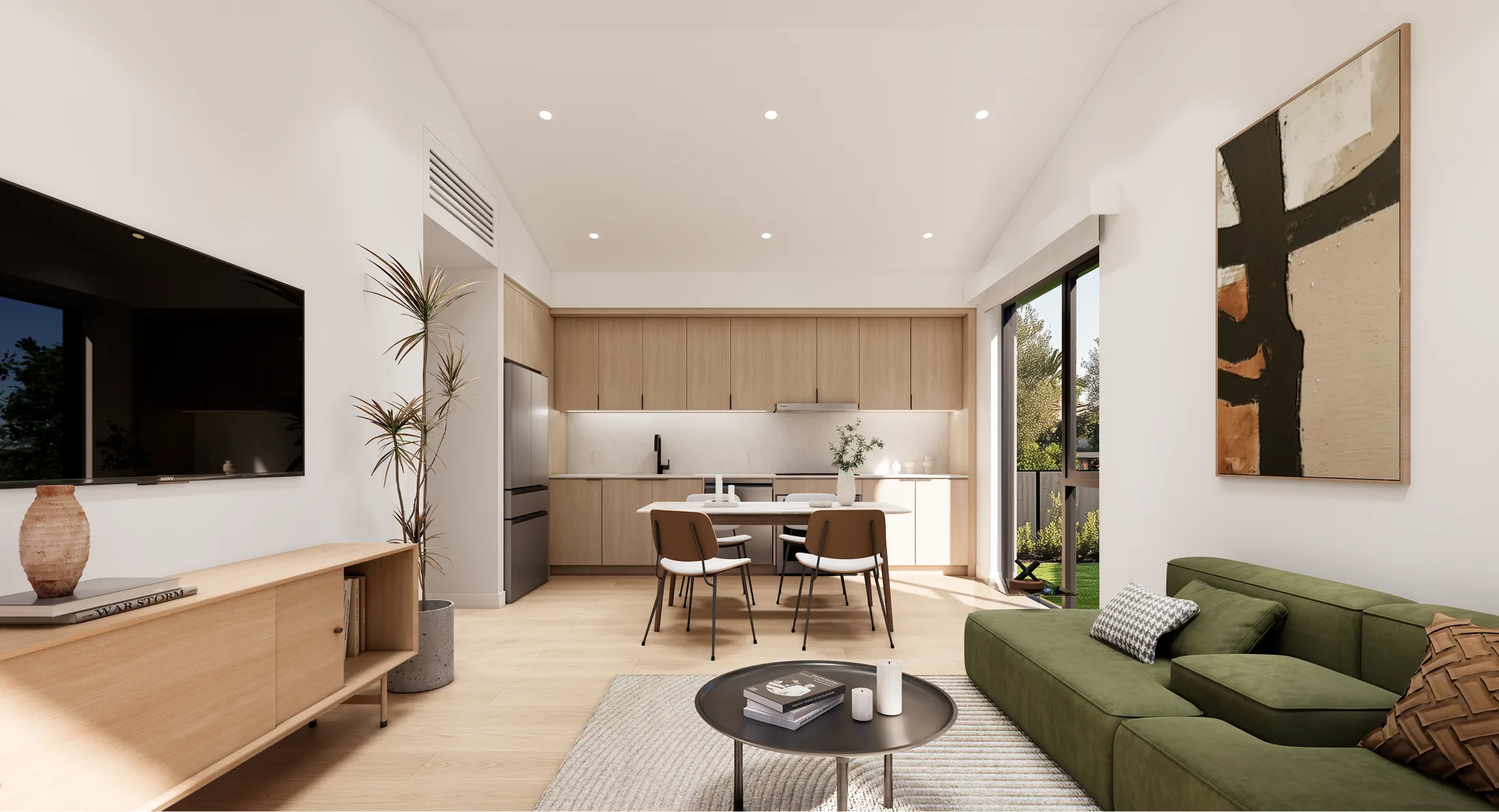
3. Natural Light, Quiet Interiors, and Real Livability
Most people don’t realize this until they walk inside multiple units:
A lot of ADUs look good in photos…
but feel tight, dark, or noisy in real life.
LiveLarge prioritizes:
LiveLarge ADU Pricing (2026 Overview)
One of the biggest frustrations in this space is unclear pricing.
LiveLarge is more transparent than most.
Typical ranges (unit + install):
Site work typically adds:
Important:
No ADU company can give a true fixed price upfront.
Things like soil conditions, utilities, and access always affect final cost.
But tighter systems = fewer surprises.
How Long Does a LiveLarge ADU Take to Build?
This is where prefab should shine—but often doesn’t.
LiveLarge timelines typically look like:
Total: ~6 months to move-in ready (in most cases)
Compare that to:
LiveLarge vs Other Prefab ADU Companies
When people compare options like Abodu, Samara, or Villa, the differences usually come down to priorities.
Choose LiveLarge if you care about:
Consider other options if you:
There’s no one-size-fits-all answer.
But there is a right fit depending on your property and goals.
Who LiveLarge Is Best For
LiveLarge tends to be a strong fit for homeowners who want to:
Especially in markets like Los Angeles and the Bay Area, where:
The Bigger Shift Happening in 2026
Prefab ADUs aren’t new anymore.
But the expectation has changed.
Homeowners are no longer asking:
“Can prefab work?”
They’re asking:
“Which company actually delivers at a high level?”
That shift is why branding, trust, and real-world execution matter more than ever.
Final Thoughts: Is LiveLarge Worth It?
If you’re early in your research, LiveLarge is worth including in your shortlist.
Not because it’s the flashiest brand.
But because it’s built around something more important:
Consistency.
Consistent pricing structure
And in construction, that’s what actually determines whether a project feels easy—or becomes a nightmare.
Next Step
If you’re curious what you could build on your property, the best starting point is simple:
From there, it becomes much easier to compare options and move forward with confidence.
Discover More
Why LiveLarge in 2026?

Thank You to Industrial Equipment News for Covering the Aloe Blacc Altadena Rebuild
Building an ADU in Los Angeles in 2026: What Homeowners Should Know Now
About Us