Why More Homeowners Are Choosing LiveLarge ADUs in 2026

What LA Homeowners Learned From Their 2025 ADU Projects — And What You Should Know Before Building in 2026
Los Angeles is now one of the most active ADU markets in America.
ADUs made up nearly a third of all new housing units last year, and more than 5,000 permits were issued across the city — each one attached to a homeowner learning the realities of permitting, timelines, utilities, and design. Prefab didn’t erase construction, but it made outcomes far more predictable for homeowners who planned ahead and picked the right team.
As 2026 begins, these are the clearest lessons from 2025 and how you can use them to build smarter this year.
The Homeowners Who Planned Early Came Out Ahead
Timing was everything in 2025.
The homeowners who submitted permits early — typically in Q1 — consistently had the smoothest projects and the most predictable installations. Those who waited until summer or fall often ran into review backlogs, fire-zone delays, and utility timelines that moved much slower than expected. Many learned that utility companies, not the city, can become the largest bottleneck in an ADU project.
If you want a summer or fall installation in 2026, start early.
Rental Income Became the Number One Motivation
ADUs became financial engines for thousands of households.
Stand-alone ADUs rented for higher rates per square foot than standard multifamily apartments, which surprised many first-time ADU builders. Homeowners who originally imagined a guest suite ended up renting to travel nurses, working professionals, or long-term tenants — often covering a significant portion of their mortgage. In a high-cost city, the ADU became a flexible income tool: part rental, part guest suite, part safety net.
Design for flexibility and future income, even if rental isn’t the goal today.
Most Homeowners Overestimated the Size They Could Build
Expectations rarely matched reality on the first call.
Many homeowners wanted 1,000–1,200 square feet, but once setbacks, slopes, easements, and fire access were considered, their property realistically supported 500–750. What surprised people most was how trenching, sewer connections, and utility runs became more costly the farther the ADU sat from the main home. Those who accepted feasibility early had easier builds, clearer budgets, and smoother outcomes.
Start with what your lot can truly support — not what you wish it could.
Site Work Was the Biggest Source of Surprise
No part of the ADU process caught homeowners off-guard more than site work.
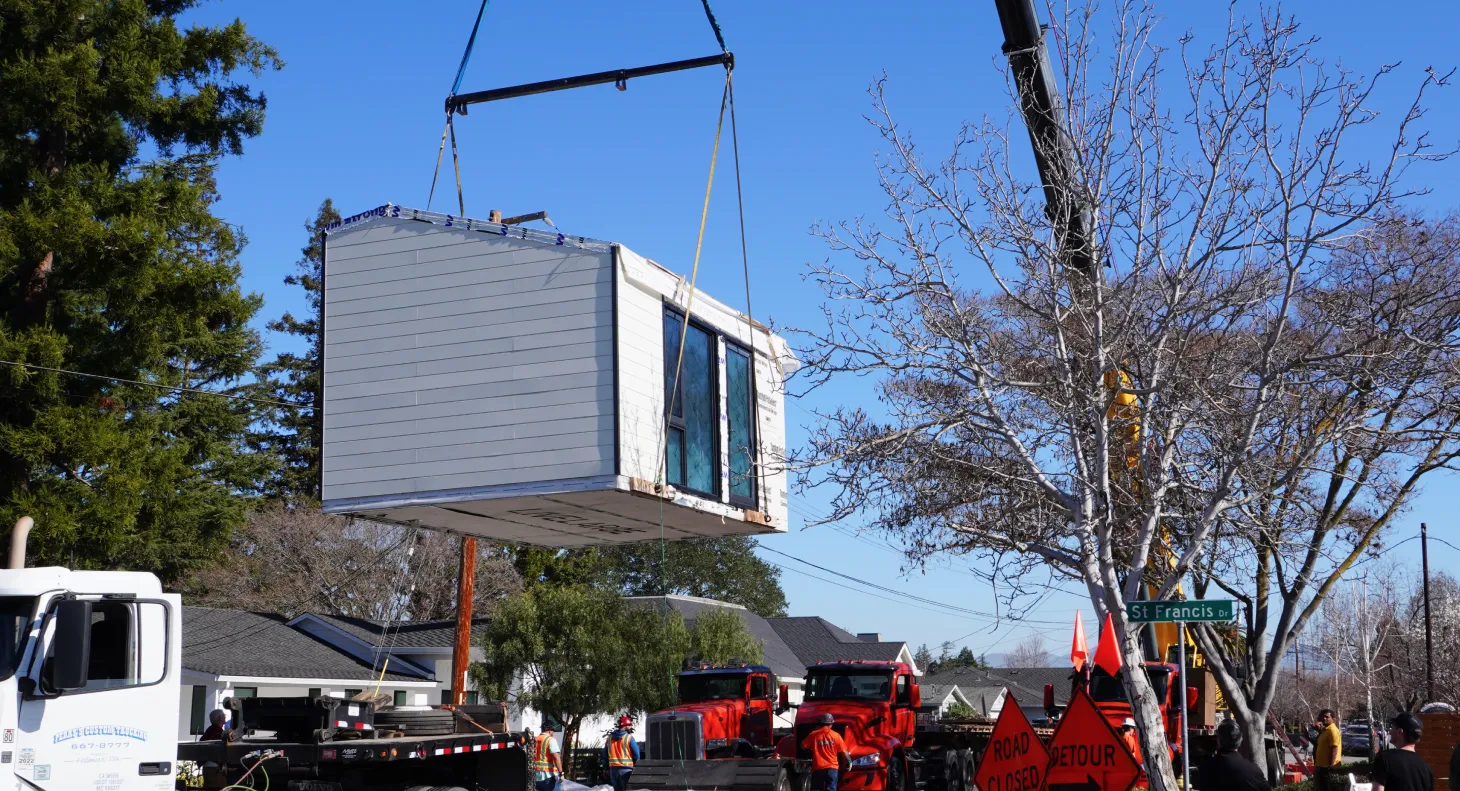
On older LA homes, electrical panel upgrades were often required. Sewer tie-ins were rarely in the location homeowners assumed. Trenching sometimes cut through patios or driveways. Tree roots required removal or protection. Tight lots demanded forklift or crane access. Even neighbors in dense neighborhoods influenced timelines through noise concerns. Prefab eliminated on-site building chaos, but the groundwork still required expert planning.
Budget realistically for utilities and site prep — it’s the foundation of the entire project.
Prefab Delivered Predictability — But It Didn’t Remove Every Variable
Prefab became one of the biggest advantages Los Angeles homeowners had in 2025.
Factory-built components eliminated weather delays, reduced human error, and removed the guesswork associated with traditional subcontractor schedules. Homeowners appreciated knowing that most of the home was completed before it ever touched their property. But prefab still required the same permitting, foundation, utility work, inspections, and crane coordination as a traditional project. It streamlined the hardest pieces — but didn’t replace them.
Prefab works best when paired with a team who knows Los Angeles inside and out.
Natural Light and Quietness Mattered More Than Expected
Livability ended up being shaped by two core elements: light and sound.
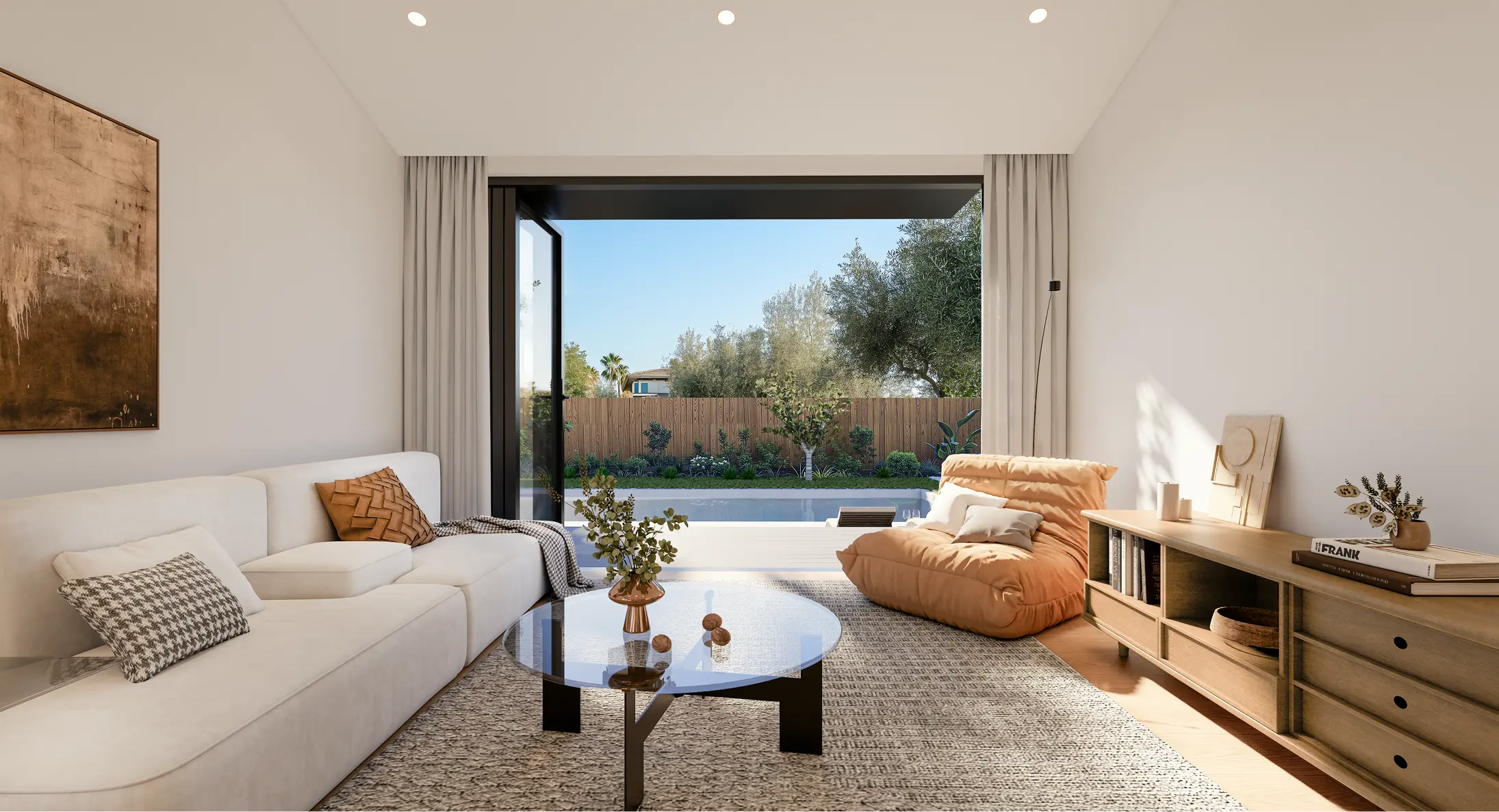
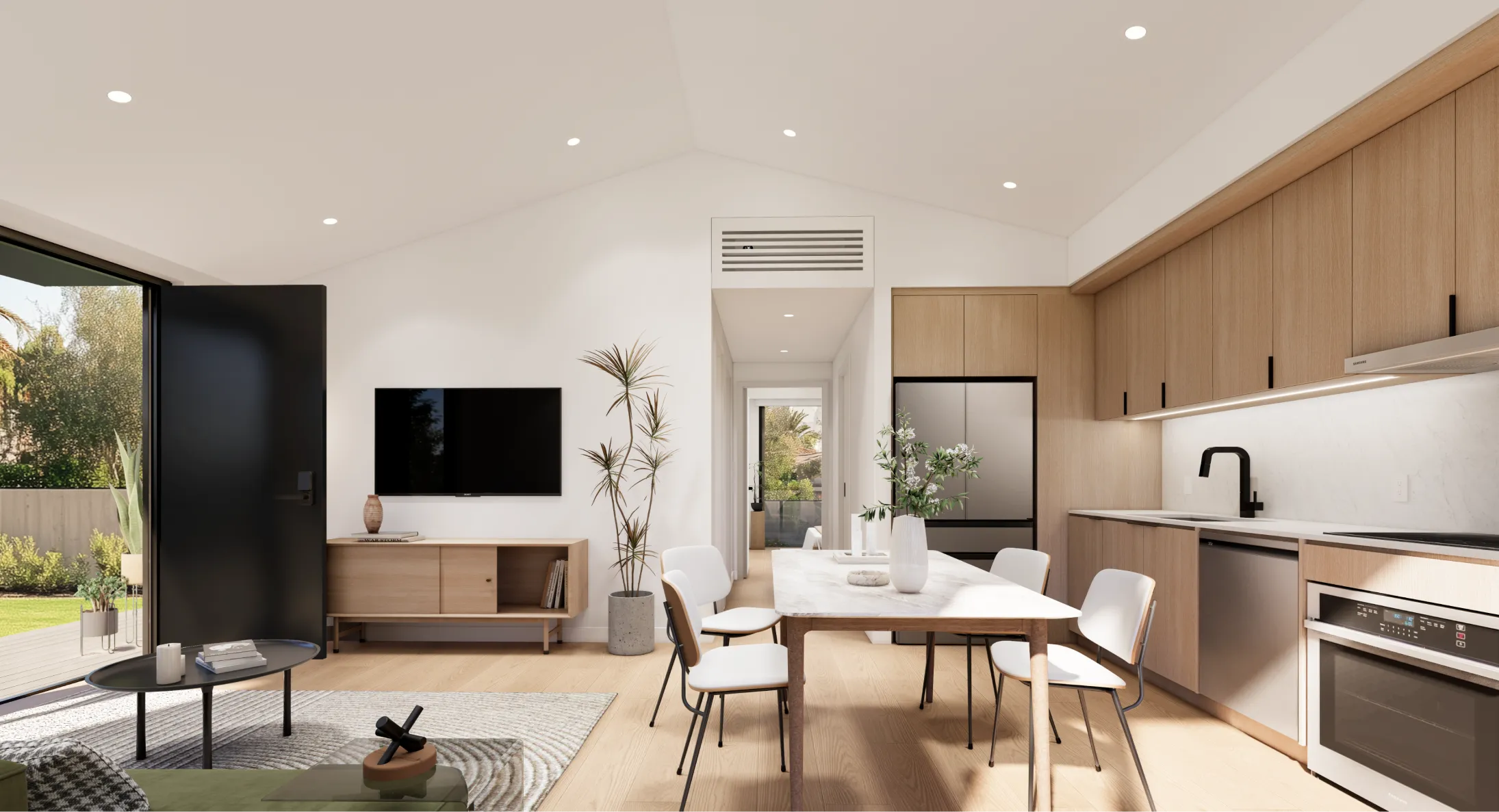
Many ADUs on the market felt dark or boxed-in, and homeowners quickly realized how much natural light affected the perceived size and warmth of the space. Just as important was quietness — especially in a city with six airports, frequent flight paths, and highways touching nearly every neighborhood. Families using ADUs for multi-generational living prioritized privacy, peace, and insulation above almost anything else.
A bright, quiet ADU feels more like a real home — and renters feel it instantly.
Trust Became the Deciding Factor in Builder Selection
Homeowners chose reliability over low bids.
What people valued most in 2025 wasn’t the cheapest price — it was responsiveness, honest feasibility checks, real showrooms, and proof of past delivery. The ADU boom created a wave of new builders, but homeowners repeatedly gravitated toward teams who showed real projects, clearly communicated timelines, and stayed involved through the entire process. Trust, not cost, shaped the best outcomes.
Choose a builder with real-world delivery, not just renderings.
The Most Successful Homeowners Treated Their ADUs Like Development Projects
The smoothest projects were driven by a simple mindset shift.
The homeowners who treated their ADU as a small home — not a backyard shed — were the ones who stayed on timeline and on budget. They planned early, understood inspections, prepared for utilities, and considered long-term uses before construction ever began. They thought about rental income, family needs, resale value, and ongoing maintenance. The ADU became a strategic asset, not a casual upgrade.
Treat your ADU like a real project, and it will reward you like one.
Looking Ahead to 2026
Los Angeles is doubling down on ADUs, demand is growing, and timelines are tightening.
Prefab has emerged as the most predictable approach for homeowners who value speed, quality, and clarity — but the best results will still come from early planning, accurate feasibility, and working with a team who understands the realities of building in LA. The lessons from 2025 are clear: start early, stay realistic, prioritize livability, and choose a builder you trust.
A well-planned ADU can become one of the most valuable spaces on your property.
Discover More
Why More Homeowners Are Choosing LiveLarge ADUs in 2026
Why LiveLarge in 2026?
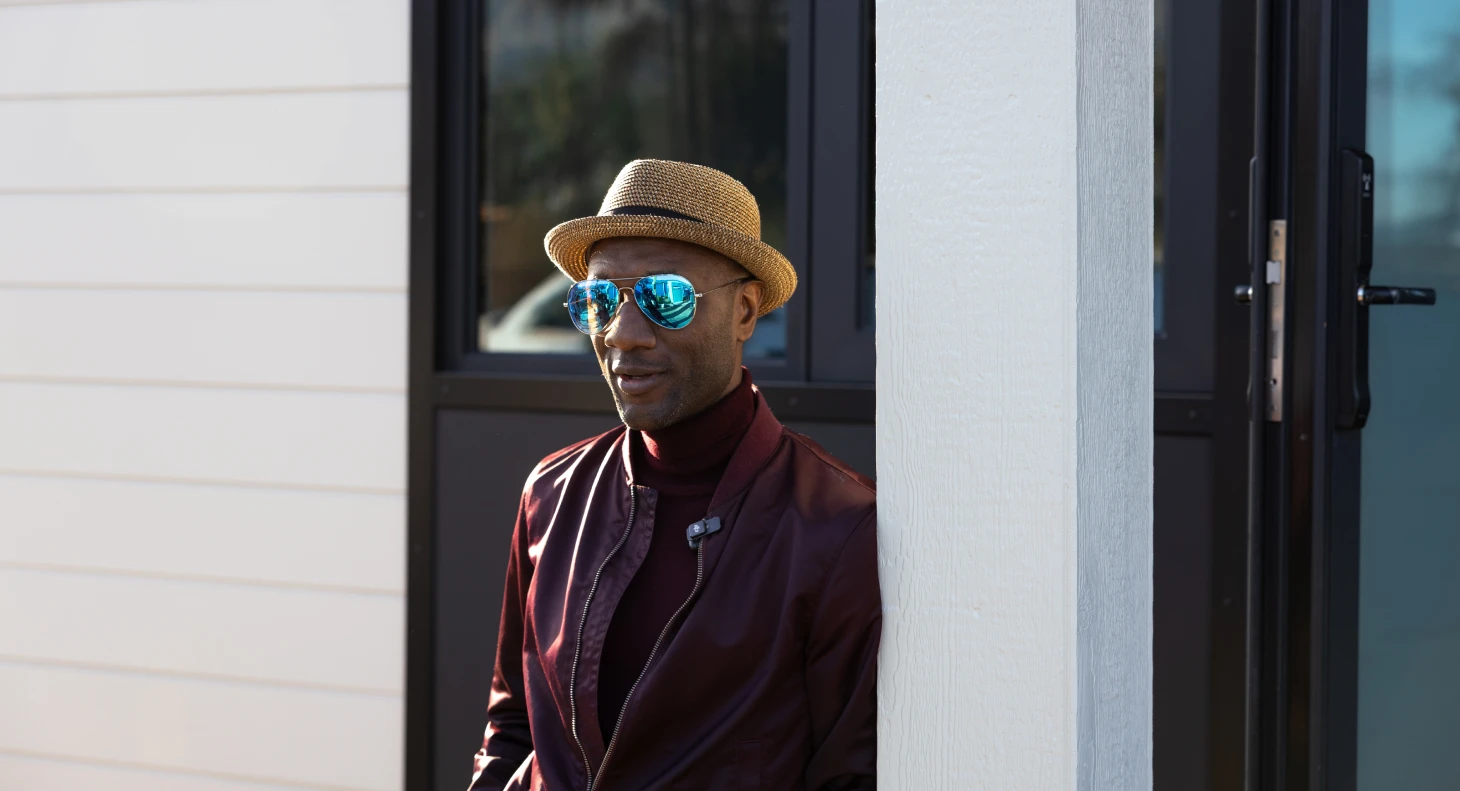
Thank You to Industrial Equipment News for Covering the Aloe Blacc Altadena Rebuild
About Us